Are you torn between a cozy front porch and brick-and-beam ceilings? If you’re eyeing Ybor City, choosing between a historic bungalow and an adaptive-reuse loft can shape your daily life and long-term costs in big ways. You want character, convenience, and a smart investment without surprises. In this guide, you’ll learn how each option lives, what to expect for maintenance and insurance, how HOAs and historic rules work, and the key checks to run before you buy. Let’s dive in.
Ybor City at a glance
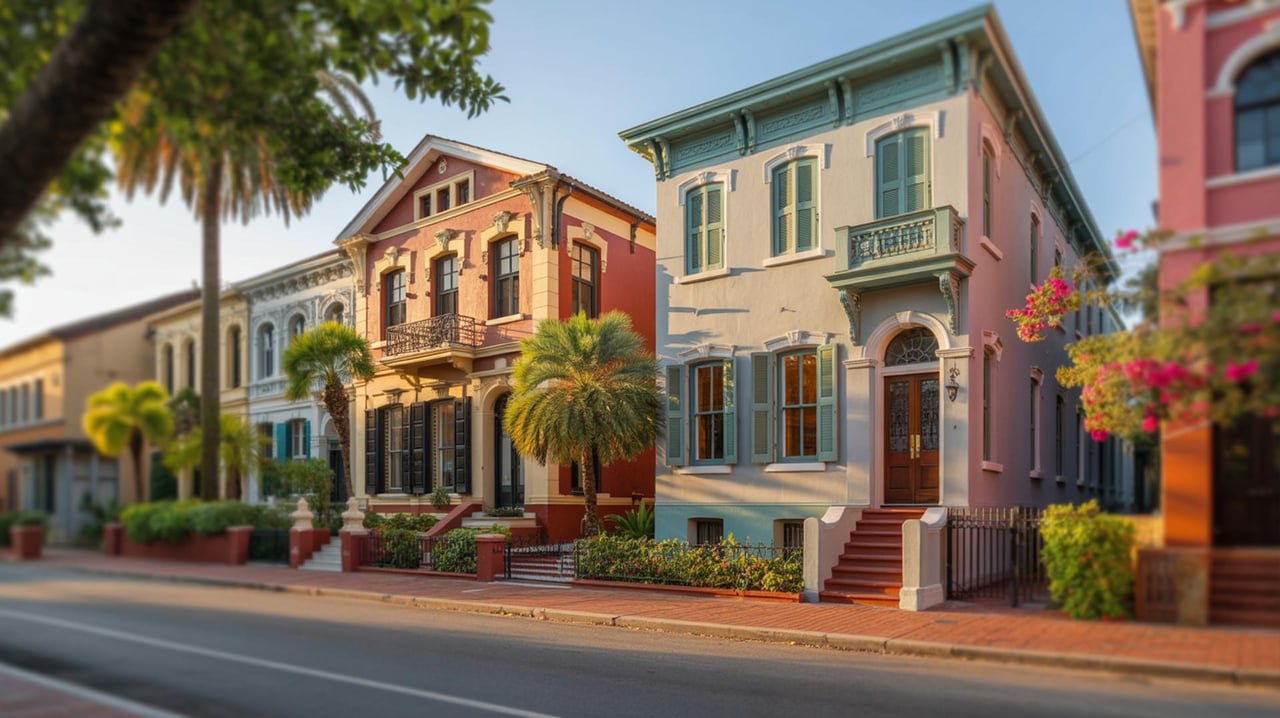
Ybor City grew around Tampa’s cigar industry and still centers on 7th Avenue’s restaurants, nightlife, and cultural institutions. The neighborhood blends small, early 1900s bungalows with former factories and warehouses that became loft condos. This mix gives you real choices on space, style, and maintenance.
You can explore the neighborhood’s roots through the Ybor City Museum and get a feel for everyday convenience on the TECO Line Streetcar, which connects Ybor to downtown Tampa. For a quick sense of walkability, check Walk Score’s snapshot of Ybor City.
What you get with a historic bungalow
Architecture and layout
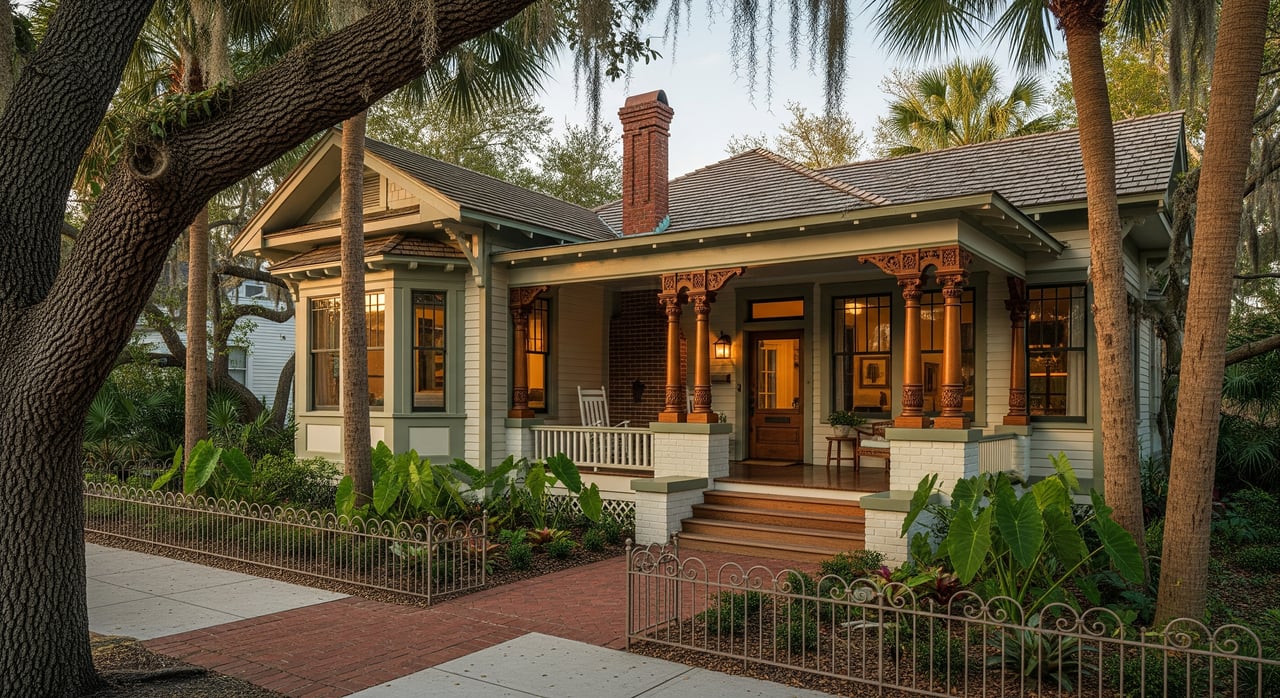
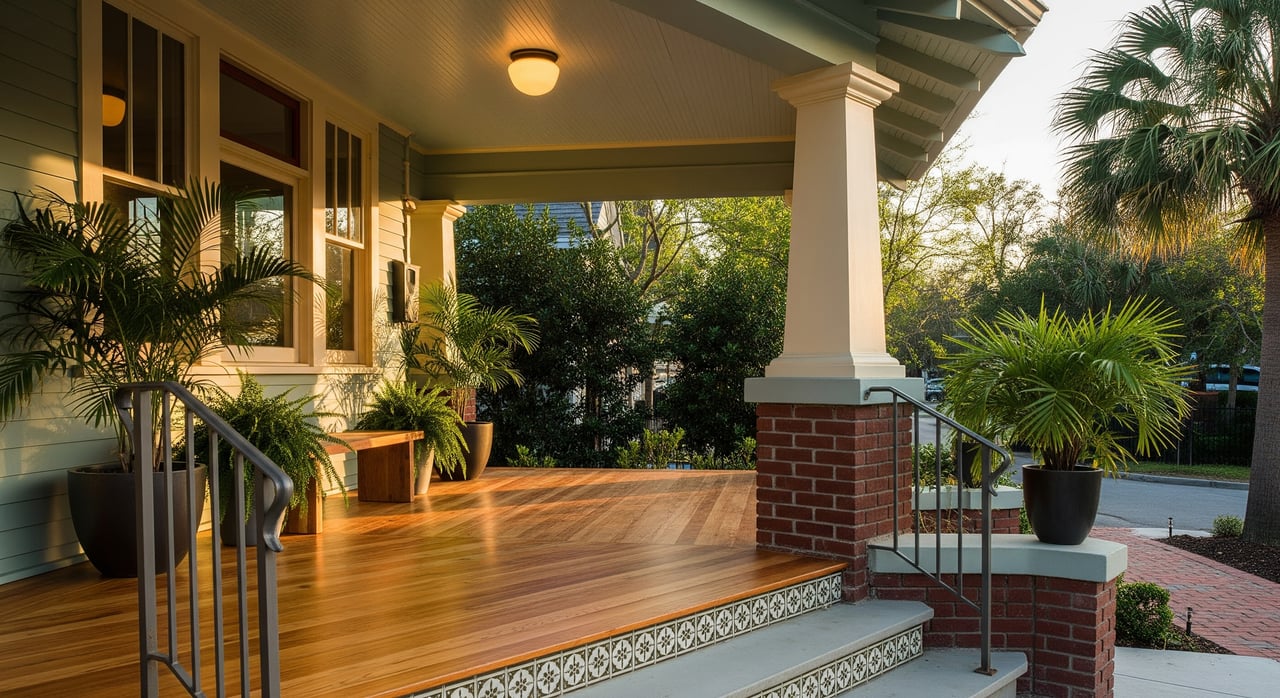
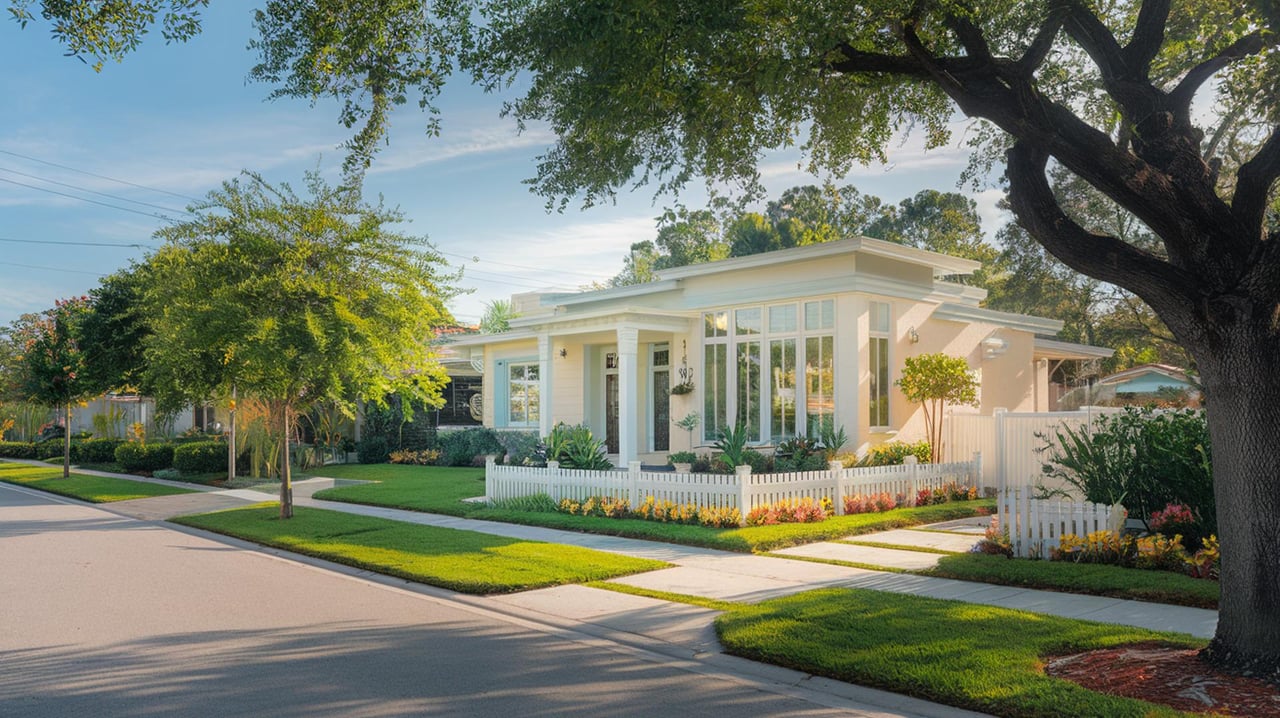
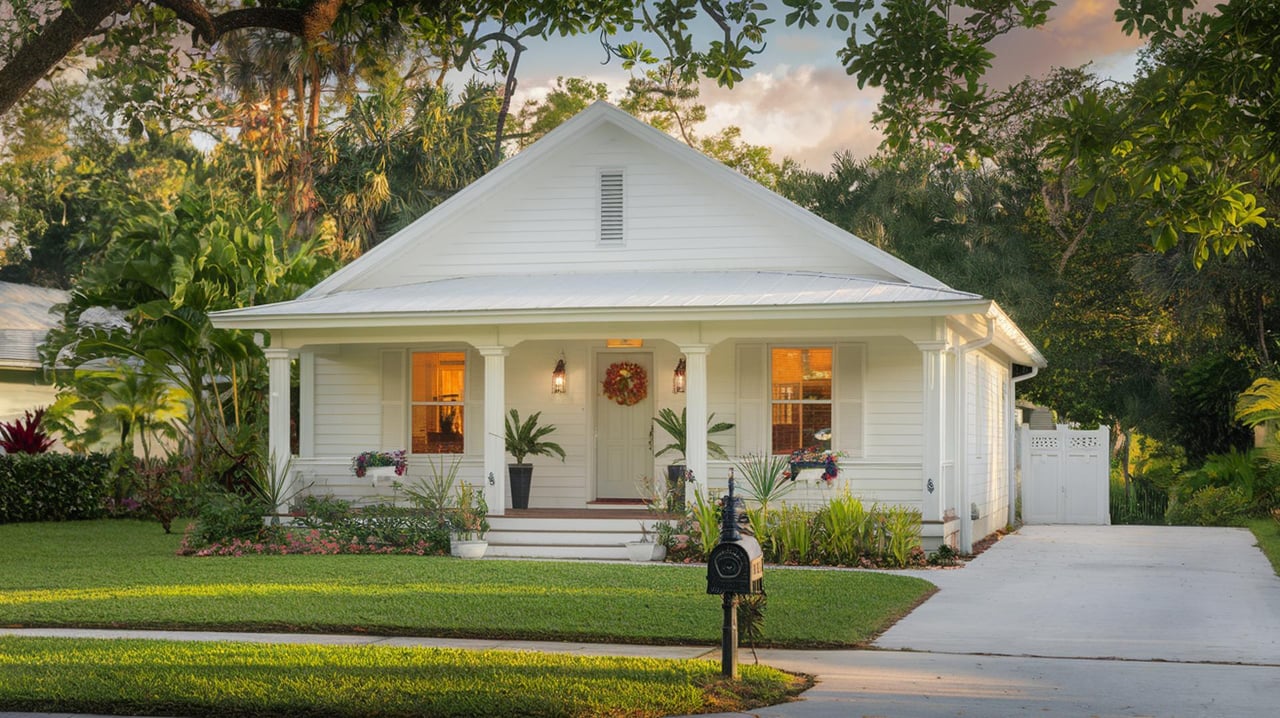
Most Ybor bungalows date from the early 1900s to the 1920s. They are typically wood-frame on pier-and-beam foundations, with front porches, gable or hipped roofs, and wood or historic replacement siding. Inside, you’ll find more defined rooms and smaller kitchens compared with modern open plans.
How it feels: You get bedroom privacy and a traditional flow. Ceiling heights are lower than lofts, but a yard or porch adds outdoor living that many buyers love.
Daily living and storage
Bungalows often include a porch, small yard, and sometimes a detached shed or modest garage. Storage can include an attic or small closets, depending on past renovations. If you have pets or enjoy gardening, outdoor space is a plus.
Noise varies by block. Detached homes can offer more separation from neighbors, but proximity to 7th Avenue affects street noise, especially on weekends and event nights.
Maintenance and approvals
Older wood-frame homes can show settlement, termite damage, or moisture issues. Plan for close inspections of structure, roof, electrical, plumbing, and HVAC. Exterior updates in locally regulated historic districts often require review by the City of Tampa. You can review local rules and processes on the City of Tampa Historic Preservation page.
Key takeaway: You control your home maintenance, but you also carry full responsibility for repairs and for getting approvals when you change exterior features.
What you get with an adaptive-reuse loft
Architecture and layout
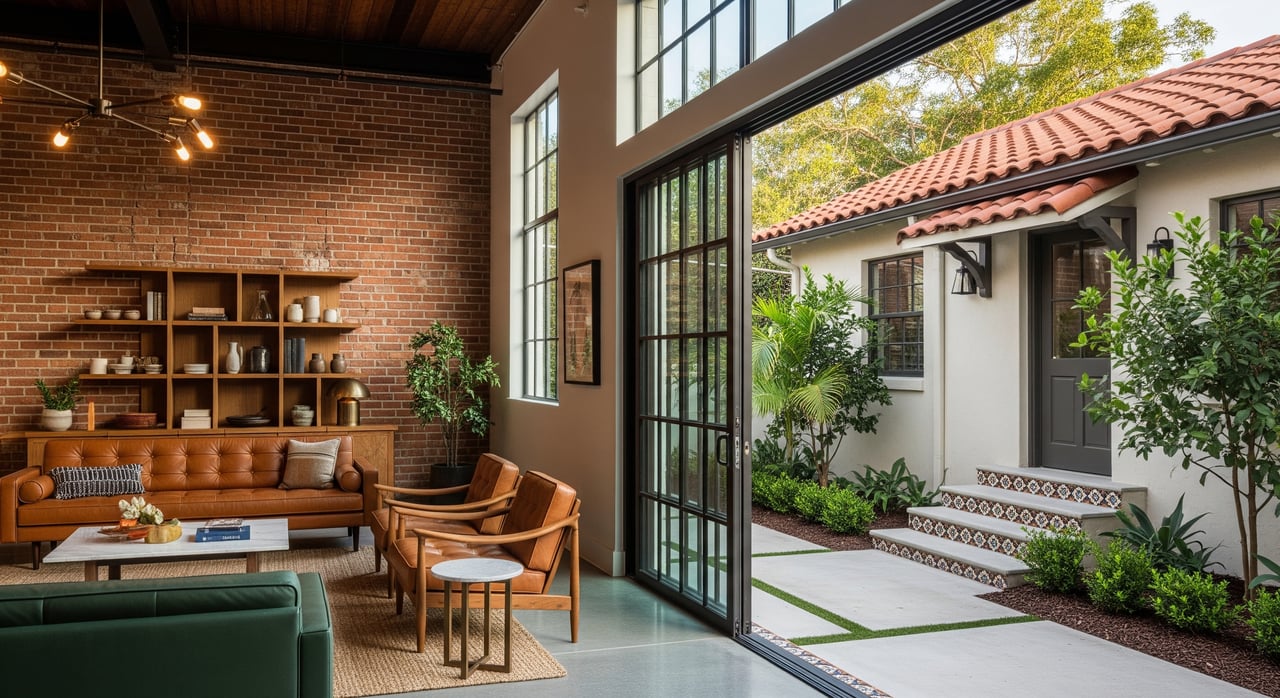
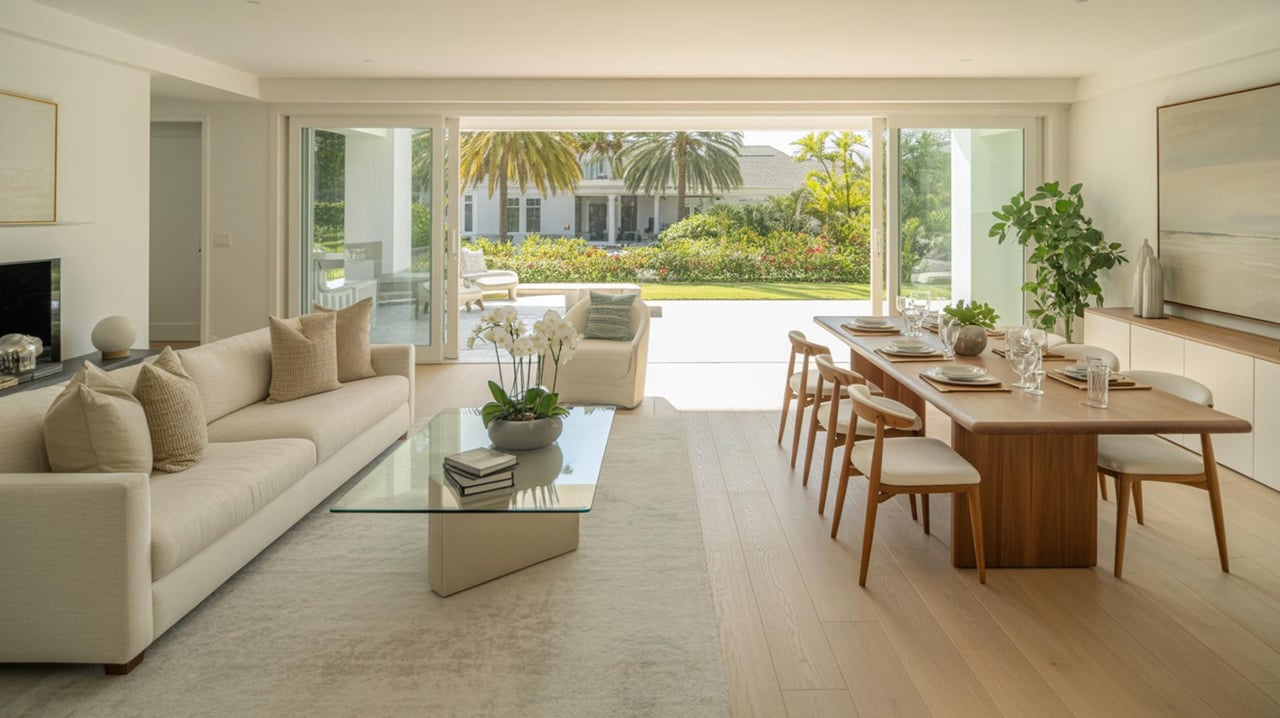
Lofts in Ybor often come from former cigar factories or commercial masonry buildings. Expect high ceilings, large industrial windows, exposed brick, visible steel or concrete, and open floor plans. Units range from studios to multi-bedroom condos.
How it feels: The open plan and tall ceilings feel spacious and light. Sleeping areas may be lofted or partially open, so privacy depends on the floor plan and interior additions.
Day-to-day living
Cooling and heating a big, tall volume can be costlier than conditioning smaller rooms. Storage is often limited unless the unit includes built-ins or a storage cage. Noise can travel through party walls and floors, and street-facing units near the commercial corridor may experience nightlife activity.
Building systems and HOA
Converted buildings typically include shared systems like elevators, fire suppression, and centralized or building-managed HVAC. These are maintained by the condominium association and funded through monthly HOA fees. Review the building’s budget, reserves, and maintenance history before you commit. For building conversions, ask for documentation on permits and any environmental remediation completed at the time of conversion.
Key takeaway: Exterior and building-level work is handled collectively, but HOA fees and possible assessments are part of your monthly financial picture.
Costs, insurance, and financing basics
Recurring costs to plan for
- Bungalows: Budget for ongoing maintenance and potential system upgrades typical of older homes. Exterior work in historic districts may require historically appropriate materials and approvals.
- Lofts/condos: Expect monthly HOA fees that cover common areas, insurance for the building, reserves, and sometimes utilities. Ask for a current reserve study and meeting minutes to spot upcoming capital projects.
Insurance and flood checks
Florida wind and hurricane exposure can affect insurance premiums for any property. Some parcels may require flood insurance. Before you write an offer, confirm the property’s flood zone using the FEMA Map Service Center and get quotes for both homeowner’s and flood coverage.
Financing differences
Condominiums follow different lending standards than single-family homes. Lenders will look at HOA finances, owner-occupancy ratios, insurance coverage, and litigation status. If you’re weighing a loft purchase, talk to your lender early so you understand condo approval steps and any timeline impacts.
Day-in-the-life comparison
Picture your morning in a bungalow. You might have coffee on the porch, let a dog out into the yard, and then bike or rideshare to downtown. Evenings could be quiet on residential blocks, or lively if you’re close to the action.
Now picture a loft morning. Sunlight hits exposed brick through big windows. You walk to 7th Avenue for coffee or hop on the TECO Line Streetcar to reach downtown events. Nights can feel energetic, especially if your unit faces a busy street.
Both options keep you close to Ybor’s cultural life. Your choice comes down to how much you value outdoor space and privacy compared with open layouts and low exterior upkeep.
Which fits your lifestyle?
Choose a bungalow if you want:
- A detached home with a porch or yard.
- Defined rooms and bedroom privacy.
- More control over maintenance and fewer shared decisions.
- A possibly quieter setting if you’re a few blocks off the main corridor.
Choose a loft if you want:
- Open-plan living with high ceilings and industrial character.
- Walkable access to restaurants, events, and nightlife.
- Lower responsibility for exterior maintenance handled by the HOA.
- Condo amenities like elevators and common areas.
Due diligence checklist
Run these checks before you make a choice. They help you avoid surprises and compare true monthly and long-term costs.
For any Ybor address
- Confirm flood zone and elevation on the FEMA Map Service Center, then get flood and homeowner’s insurance quotes.
- Check current assessments and exemptions with the Hillsborough County Property Appraiser.
- Get a complete home inspection, including roof, structure, HVAC, pests, and moisture.
For historic bungalows
- Order a termite and pest inspection and a crawlspace or foundation check.
- Verify roof age, electrical panel type, and plumbing materials.
- Review local historic-district guidelines on the City of Tampa Historic Preservation site before planning exterior changes.
- If you renovate, use properly licensed contractors. You can verify licensing with the Florida Department of Business & Professional Regulation and ensure work meets the Florida Building Code.
For lofts and condos
- Request HOA documents: budget, reserves, most recent reserve study, meeting minutes, insurance coverage, and any history of special assessments or litigation.
- Confirm what your HOA fee covers and any upcoming capital projects.
- Verify assigned parking, guest parking options, storage availability, and building access policies.
- If the building is a conversion, ask for permits and documentation on code compliance and any environmental remediation at the time of conversion.
Location notes: parking, noise, and transit
Parking near the commercial corridor can be tight at peak times. Lofts may include assigned spaces; confirm guest parking rules and any permits. Bungalows may offer a small driveway or rely on street parking, which varies by block.
Noise is part of the trade-off when you live close to 7th Avenue’s energy. If quiet evenings matter most, consider a bungalow on a residential street set back from the core. If you prefer being steps from restaurants and events, a loft or condo near the corridor can be a great fit.
Transit makes getting around easier. The TECO Line Streetcar links Ybor and downtown, and many addresses are walkable or bike-friendly. Block-by-block conditions vary, so try a few test trips at different times of day.
Next steps
If you’re just starting your search, tour both options in the same week so the differences are fresh. Bring a checklist and take notes on noise, light, storage, parking, and how each place feels morning and night. Then layer in the hard numbers: HOA fees, insurance quotes, and expected maintenance.
When you’re ready for a guided plan, reach out to edwin higgins for local advice, vetted inspectors and lenders, and a search strategy that fits your life in Ybor City.
FAQs
Are Ybor City lofts louder than bungalows near 7th Avenue?
- Street-facing lofts and shared-wall condos often experience more nightlife and foot traffic noise, while bungalows off the main corridor may be quieter depending on the block.
What costs more to maintain in Ybor City, a bungalow or a loft condo?
- Bungalows can need periodic one-off repairs and upgrades, while lofts carry steady HOA fees that fund building maintenance; total cost depends on property condition, HOA health, and insurance.
Do historic district rules in Ybor City limit bungalow renovations?
- Exterior changes in regulated historic districts often require City of Tampa review and approved materials, while interior work typically has more flexibility; check the city’s guidelines early.
How should I check flood risk for a Ybor City home or loft?
- Look up the property on the FEMA Map Service Center, verify the flood zone, then get homeowner’s and flood insurance quotes to understand true monthly costs.
What HOA documents should I review before buying a Ybor loft condo?
- Request the budget, reserve study, meeting minutes, insurance coverage, maintenance history, upcoming projects, assessments, and any litigation to gauge financial health.