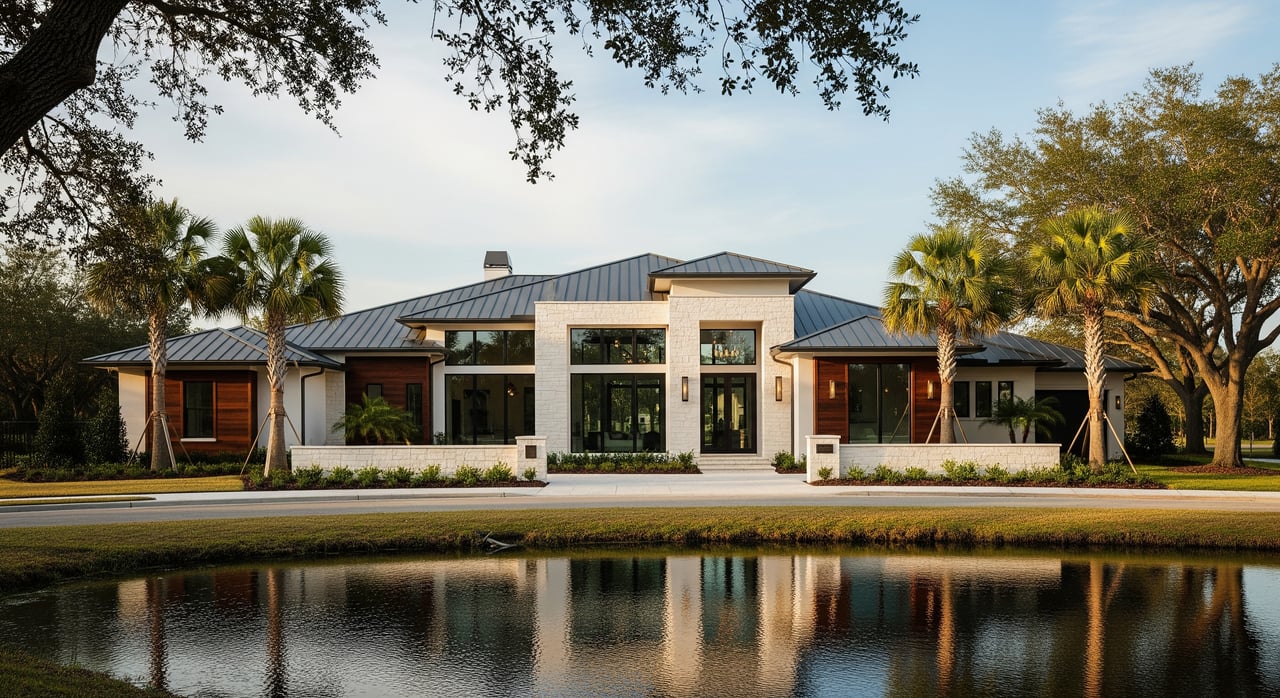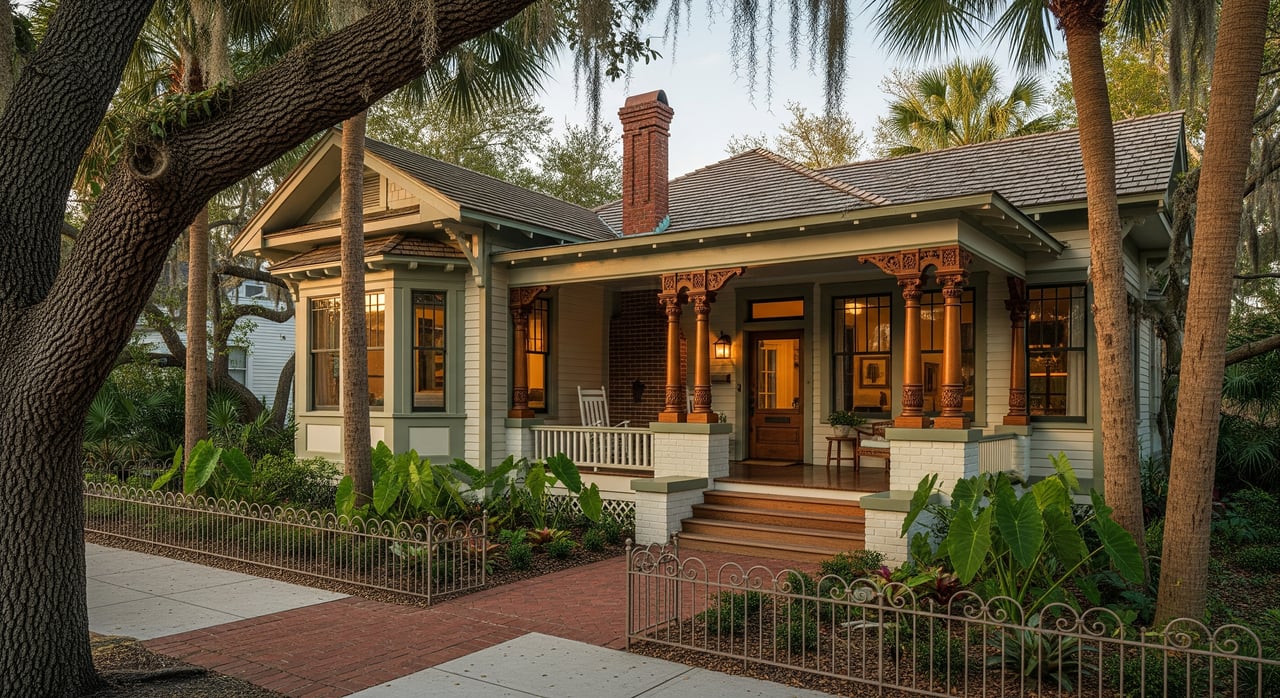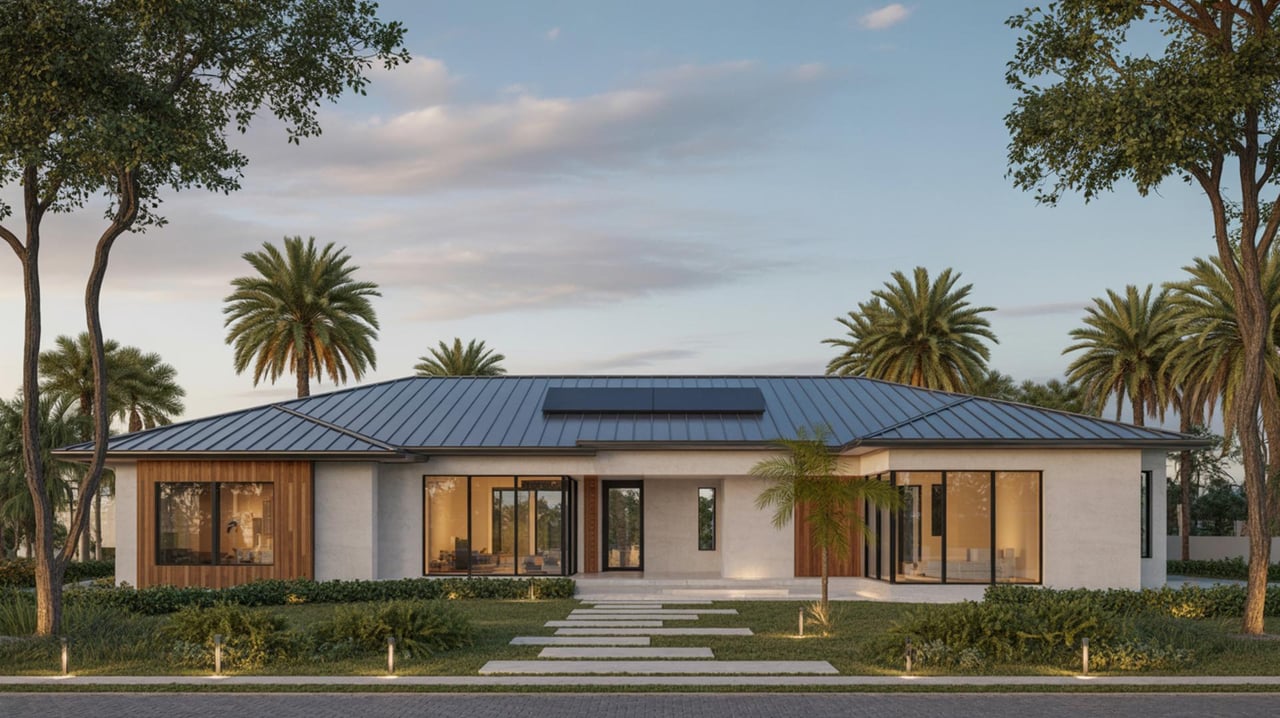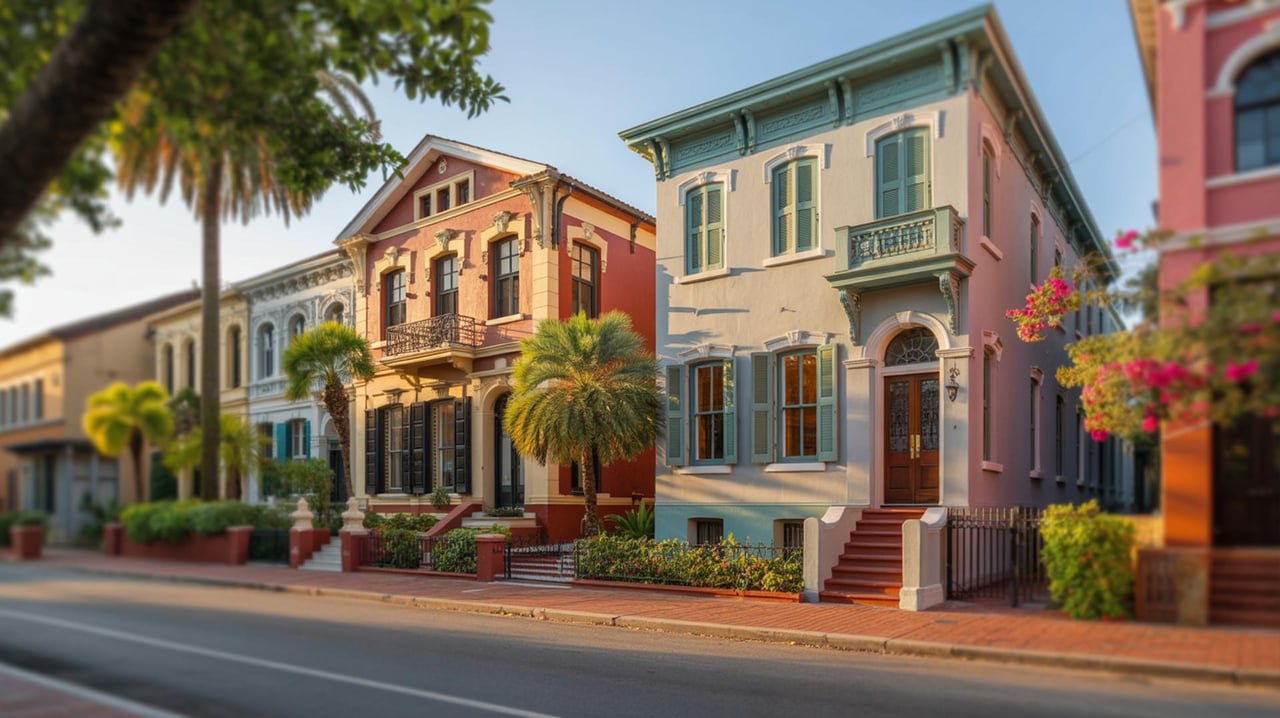
Owning a classic Ybor City bungalow is a point of pride. It also comes with unique upkeep in Tampa’s heat, humidity, and storm season. If you want to protect your home’s character and your budget, you need a plan that fits local conditions and rules. In this guide, you’ll learn what to maintain, how to navigate permits, where risk shows up first, and who to call for help. Let’s dive in.
Ybor bungalow basics
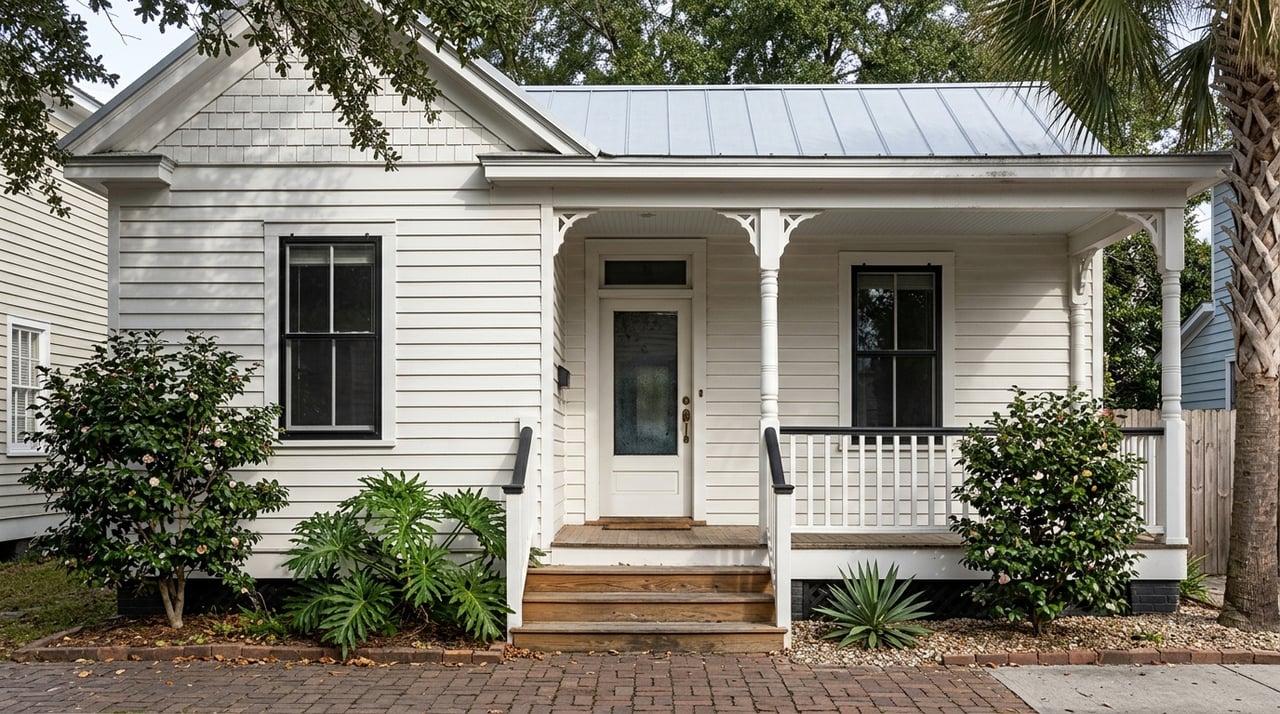
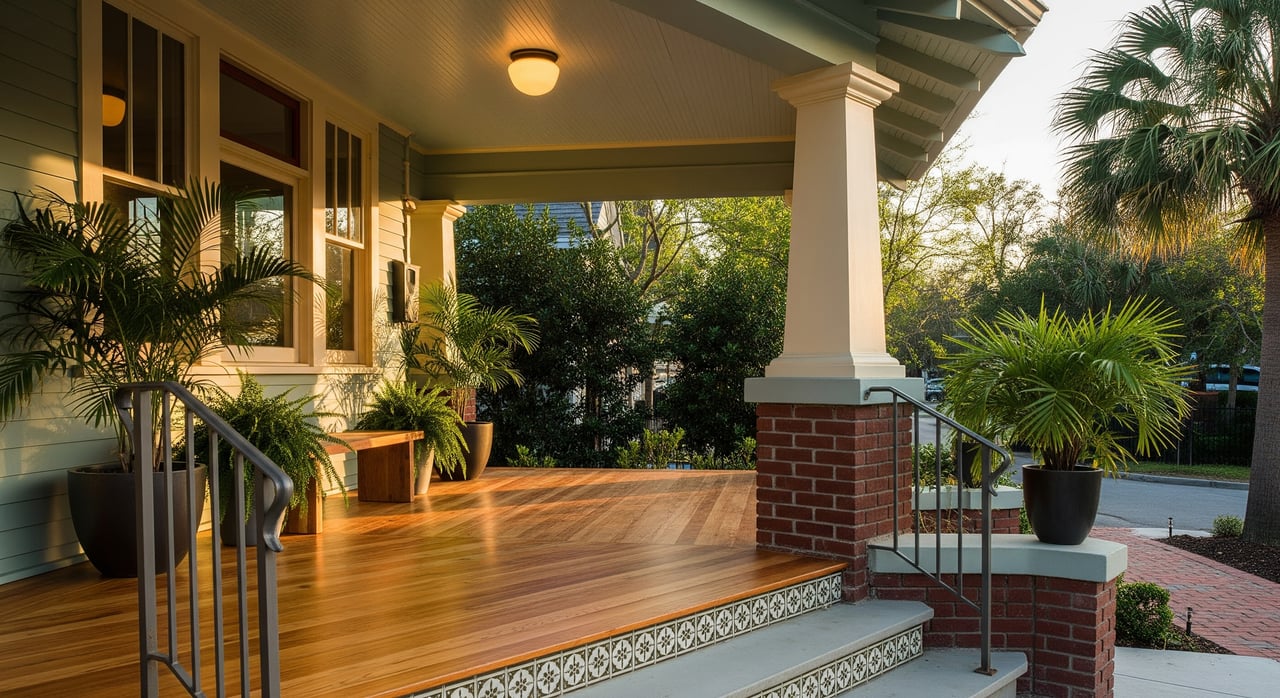
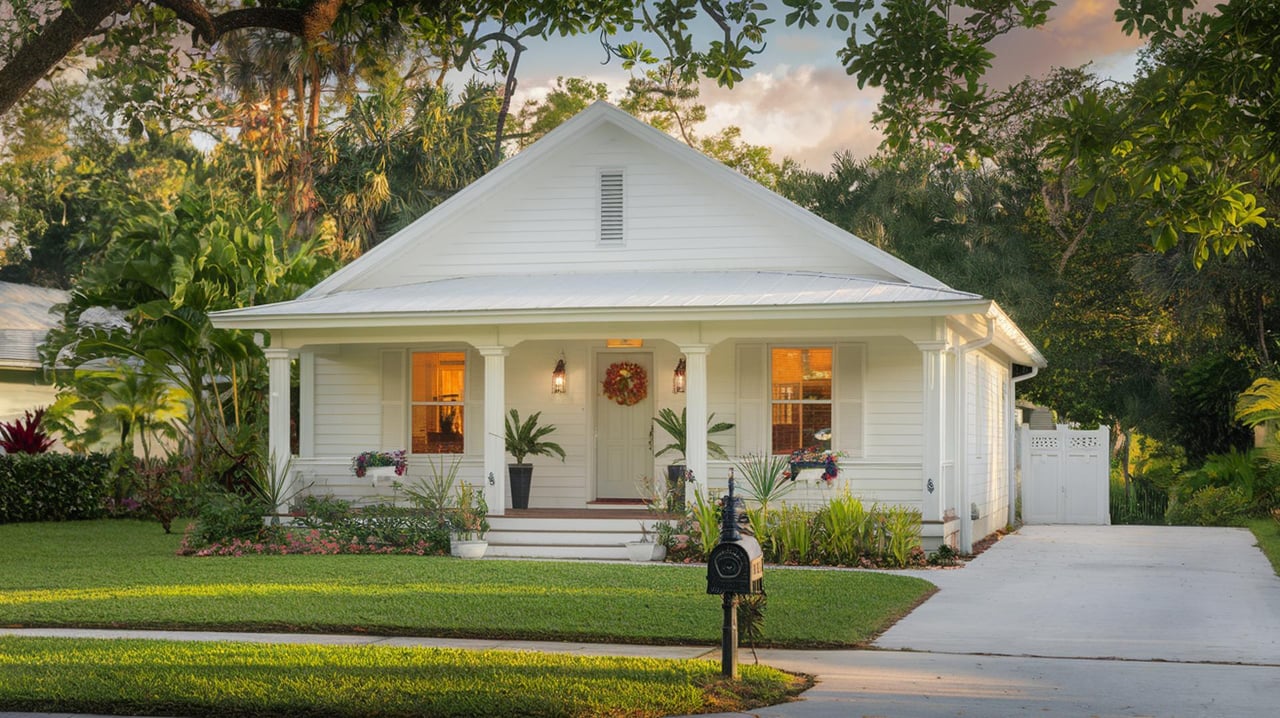
Ybor City’s historic bungalows often include wood-frame construction, raised pier-and-beam foundations, original wood windows, and deep porches. These details give your home charm and curb appeal. They also require regular care to manage moisture, insects, and storm exposure. Before any project, confirm whether your property has a local or national historic designation.
Climate and risk snapshot
Tampa’s humid subtropical climate speeds up wood decay, paint failure, and mold. Subterranean termites are common and thrive where moisture is present. Hurricane winds and heavy rain test roofs, windows, and drainage. Flood risk varies by property and can affect insurance, foundations, and allowable repairs. Salt air in urban bay-adjacent areas can corrode metal parts faster.
Confirm status and permits early
The City of Tampa’s Historic Preservation Office oversees changes to designated properties and districts. Exterior work often needs a Certificate of Appropriateness or similar approval. Major repairs like roofs, structural work, and window replacements typically need building permits under the Florida Building Code. If the property is in a flood zone, floodplain rules may apply. Contact City Development Services early to understand what approvals you need.
Follow preservation best practices
The Secretary of the Interior’s Standards for Rehabilitation guide work on historic buildings. They favor repair over replacement and using in-kind materials when visible features are involved. This approach protects the character that makes Ybor homes special. Address root causes first, such as fixing drainage or flashing before replacing rotted wood.
Common issues to expect
- Wood rot at porch floors, window sills, door thresholds, and lower siding from splash and trapped moisture.
- Termite or carpenter ant activity in ground-contact wood and structural members.
- Roof leaks at flashing, penetrations, or old coverings that lead to ceiling or rafter damage.
- Poor drainage from clogged or failed gutters and downspouts that saturate soil and foundations.
- Corroded metal fasteners and flashing, especially with salt exposure.
- Drafty wood windows, limited insulation, and high interior moisture without proper ventilation.
- Porch and stair wear from deferred maintenance or pests.
- Paint failure when modern, less breathable coatings trap moisture.
- Storm vulnerability such as roof uplift and unprotected windows.
Seasonal maintenance checklist
Keep a simple schedule to stay ahead of big repairs.
Annual tasks
- Get a licensed termite and wood-destroying organism inspection.
- Inspect the roof, flashing, gutters, and downspouts. Clean and repair as needed.
- Check attic and roof vents and confirm ventilation is working.
- Verify grading and use downspout extensions to move water away from the foundation.
- Review exterior paint and caulk at windows and doors. Touch up to seal out water.
- Test HVAC, replace filters, and clear condensate drains.
Every 3–5 years
- Repaint or restain exterior surfaces as exposure requires.
- Reseal flashing and window or door sills.
- Schedule professional HVAC service and duct inspection.
After major storms
- Inspect roof, flashing, windows, foundation, and porches for damage and document for insurance.
As needed
- Call a structural engineer if you notice settlement, sloping floors, or new cracks.
Roof care that prevents leaks
Keep gutters clean and direct water several feet from the house. Repair flashing at chimneys, vents, and roof-to-wall intersections first. When replacement is needed, match the historic roof profile where visible from the street. Consider impact-resistant options if required by code or insurance.
Foundation and crawlspace health
Promote airflow in crawlspaces and use a ground vapor barrier to reduce moisture. Correct grading and remove soil against siding. Inspect piers for movement or damage. For settlement or structural issues, engage a structural engineer with historic experience.
Wood siding, trim, and porch repairs
Prioritize repair over replacement to preserve original fabric. Small areas of rot can often be consolidated with epoxy or repaired using Dutchman patches by a skilled historic carpenter. Use breathable primers and paints to let moisture escape. Avoid covering historic siding with vinyl or other synthetic materials unless permitted and reversible.
Windows and doors that work smarter
Restore original wood sashes by weatherstripping, reglazing, and repairing sash cords or balances. Consider storm windows for energy savings and added protection if they are compatible and visually discreet. If replacement is unavoidable, choose historically compatible profiles and muntin patterns and follow local review requirements.
Energy upgrades that respect character
Focus on non-character areas first. Insulate the attic and seal ducts and penetrations to reduce air leakage. Upgrade to a properly sized HVAC system and control indoor humidity, aiming to keep it under about 60 percent. Where bulky ductwork would harm interiors, consider ductless mini-splits. Avoid tearing out historic finishes to add wall insulation unless you use a reversible method.
Moisture and mold control
Moisture is your biggest enemy in Tampa’s climate. Keep gutters clear and drainage positive. Use dehumidification, adequate ventilation, and right-sized air conditioning to manage indoor humidity. Quickly address sources of leaks, especially around roofs, windows, and plumbing.
Pests and termite defense
Schedule yearly inspections with a licensed pest control operator. Use baiting systems where appropriate. Replace or treat ground-contact wood. Reduce moisture in crawlspaces and around the perimeter. Keeping vegetation trimmed back improves airflow and access for inspection.
Hurricane and flood readiness
Fit approved storm protection like impact-rated windows or shutters where allowed. Confirm compatibility with historic district requirements before purchasing systems. Document existing conditions and keep photos for insurance. If you are in a flood zone, understand elevation requirements for utilities and how floodplain rules may affect repairs.
Budget, insurance, and incentives
Create a rolling 3 to 5 year budget for roofs, painting, pest control, and mechanical service. For insurance, request quotes that reflect historic materials and potential code upgrades. Federal historic tax credits typically apply to income-producing properties. Homeowners should check city, county, and state programs for grants, low-interest loans, or technical assistance. Utility programs may offer rebates for HVAC and insulation upgrades.
Pros to have on your team
- Historic preservation architect or consultant for major work or when pursuing incentives.
- Licensed general contractor with experience in older wood-frame homes.
- Structural engineer for settlement or structural concerns.
- Licensed pest control operator for inspection and treatment.
- HVAC contractor skilled in moist-climate systems and sizing for older homes.
- Local preservation nonprofits or neighborhood groups for informal guidance.
Buyer and seller tips
Before buying, order a full home inspection plus a termite report. Ask for maintenance records and any Certificates of Appropriateness or historic documents. Sellers should review disclosure requirements, including known defects and any historic designation. Pricing and marketing should reflect condition, documented upgrades, and permitted work.
Keep records for long-term value
Maintain a file with inspection reports, permits, contractor bids, materials, and before-and-after photos. Good documentation supports resale value, simplifies future maintenance, and strengthens applications for grants or insurance claims.
Talk to a local advisor
If you are planning repairs, weighing upgrades, or preparing to sell, it helps to have a local guide who understands Ybor City’s historic homes and Tampa’s rules. For a practical plan and vetted contractor introductions, reach out to edwin higgins.
FAQs
What makes Ybor bungalows unique to maintain?
- Many are wood-frame with raised foundations, original wood windows, and deep porches, which demand regular moisture control, pest prevention, and careful repair to preserve character.
How do I know if I need historic approvals in Tampa?
- Contact the City of Tampa Historic Preservation Office before planning work. Exterior changes in designated areas often require a Certificate of Appropriateness and building permits.
Which repairs should I tackle first on an older bungalow?
- Address water first. Fix drainage, gutters, and roof flashing, then repair deteriorated wood and porch elements. Deal with termites and structural issues promptly.
Can I replace original wood windows with vinyl?
- Not without review in historic areas. Repair original sashes when possible, or use compatible replacements and storm windows if approved by local authorities.
How can I improve energy efficiency without harming character?
- Insulate the attic, seal ducts and air leaks, weatherstrip windows, and right-size HVAC. Consider ductless mini-splits where duct runs would impact historic interiors.
What should buyers inspect before purchasing a historic bungalow?
- Order a full home inspection, a termite inspection, and, if possible, an assessment of historic elements. Request maintenance records and any historic approvals or permits.
Are there grants or tax credits for homeowners?
- Federal credits mainly target income-producing buildings. Check city, county, and state programs and utility rebates for homeowner assistance and energy upgrades.