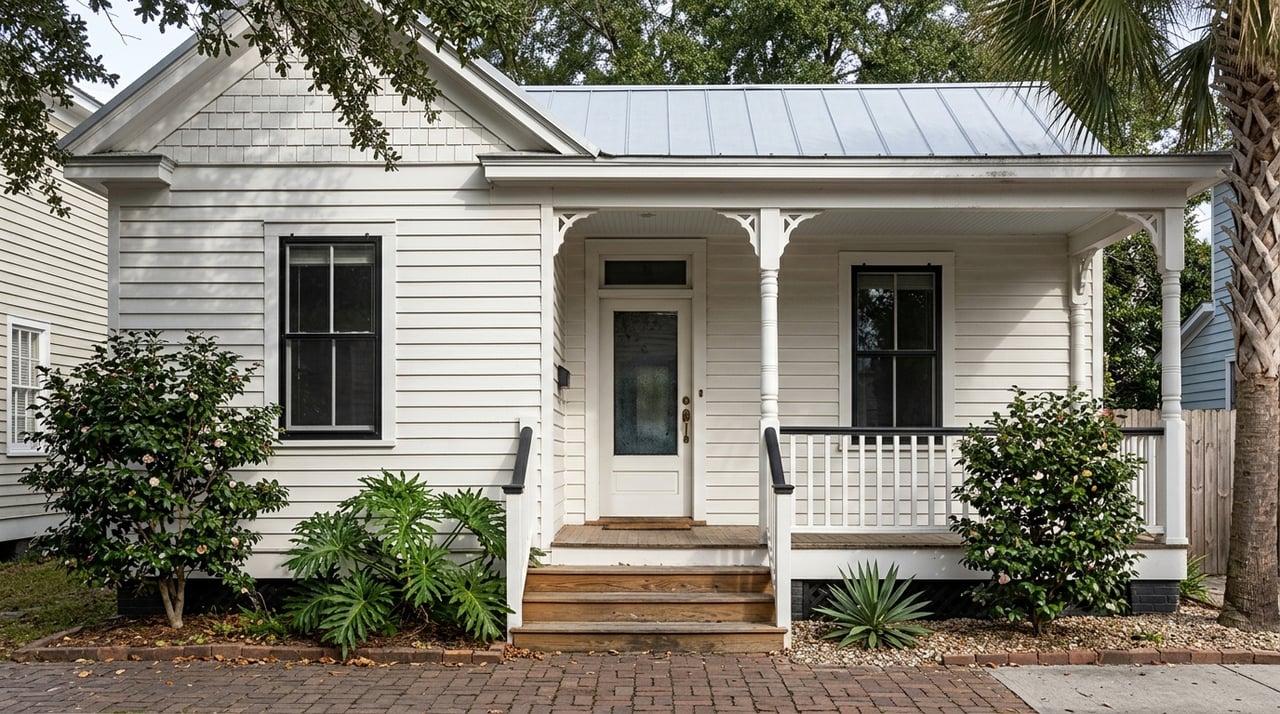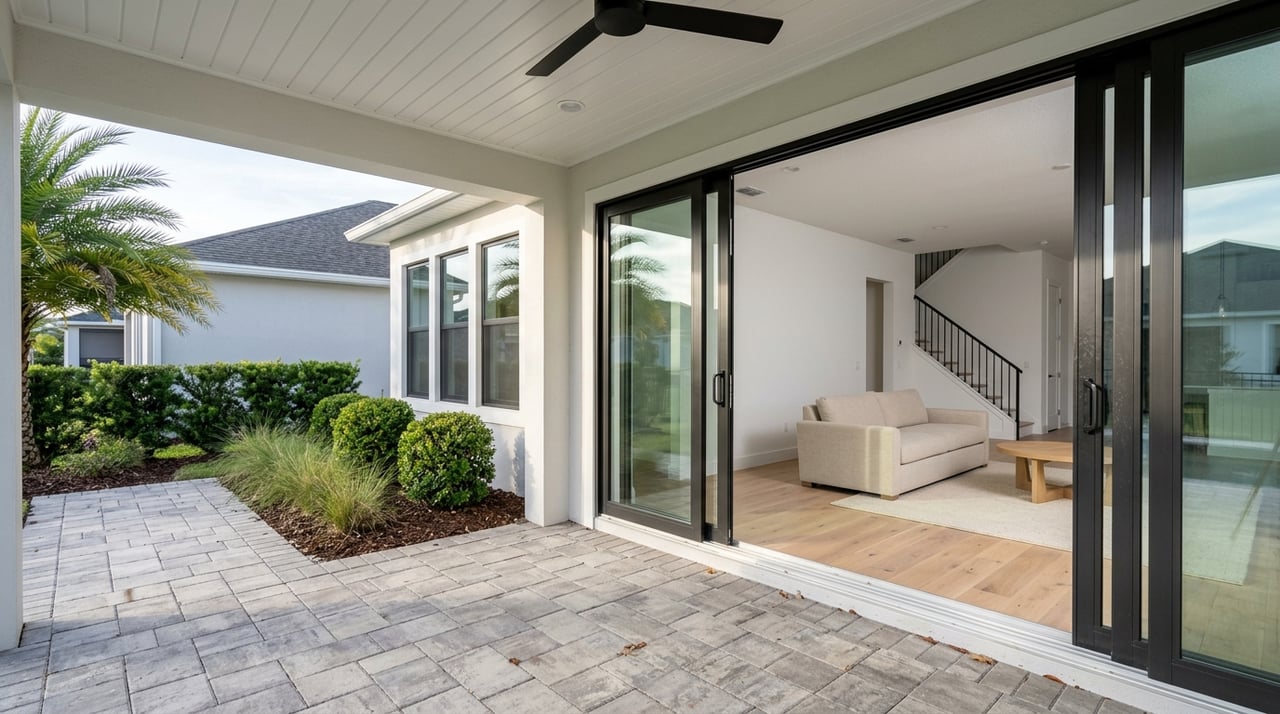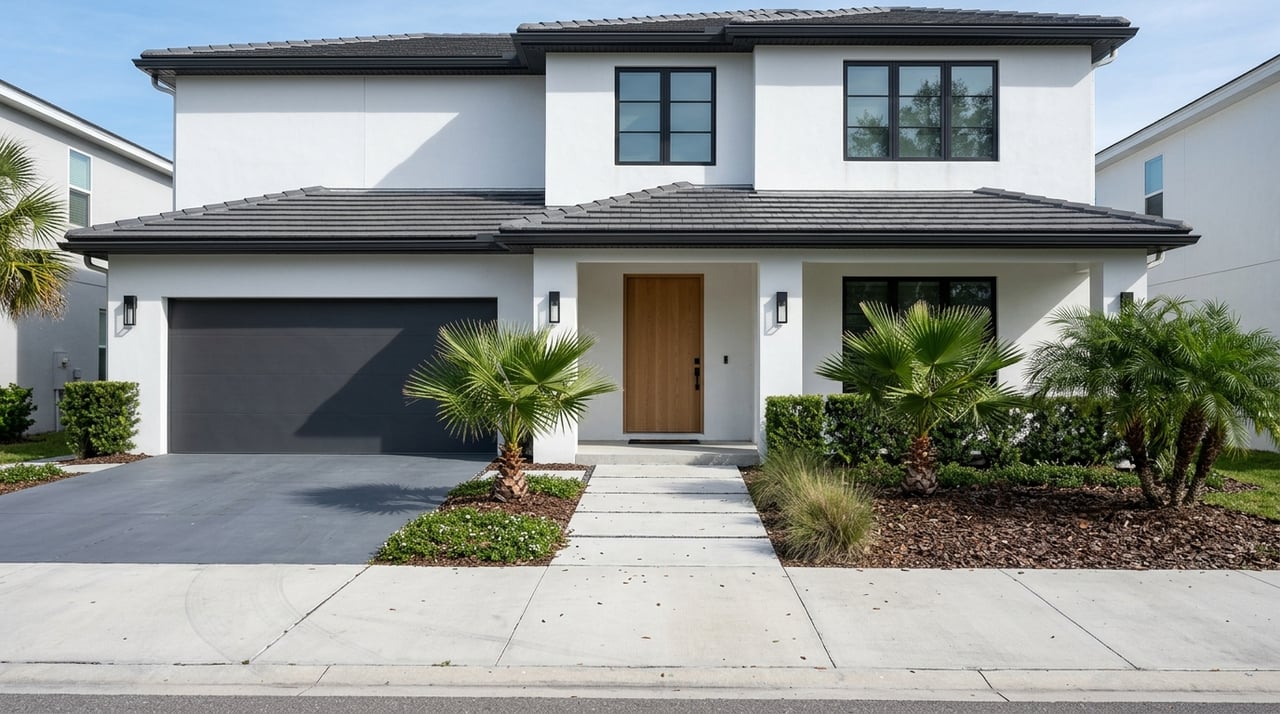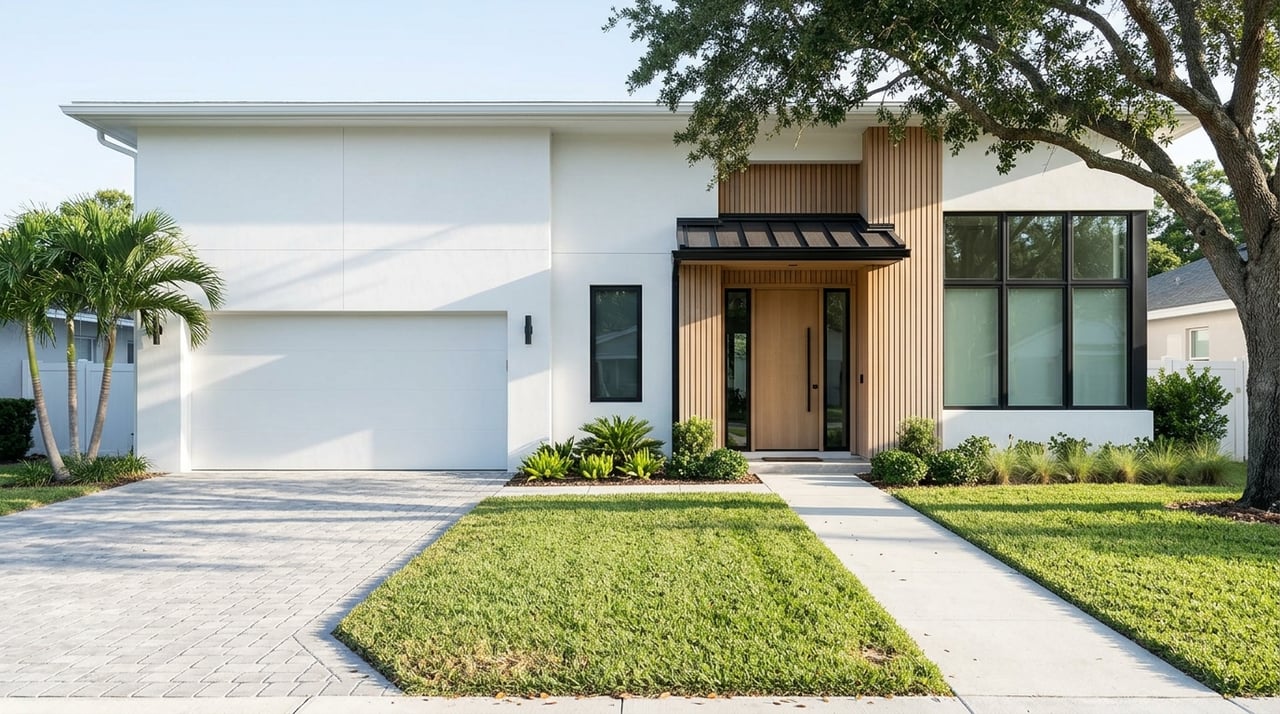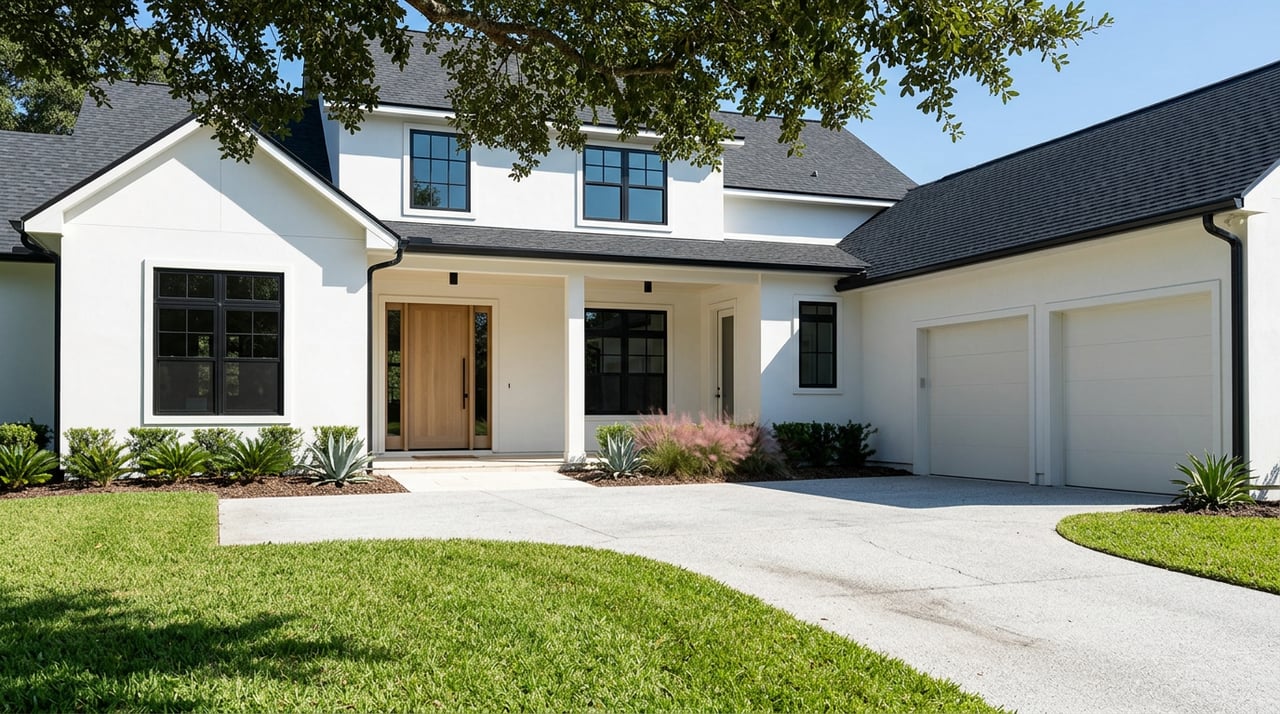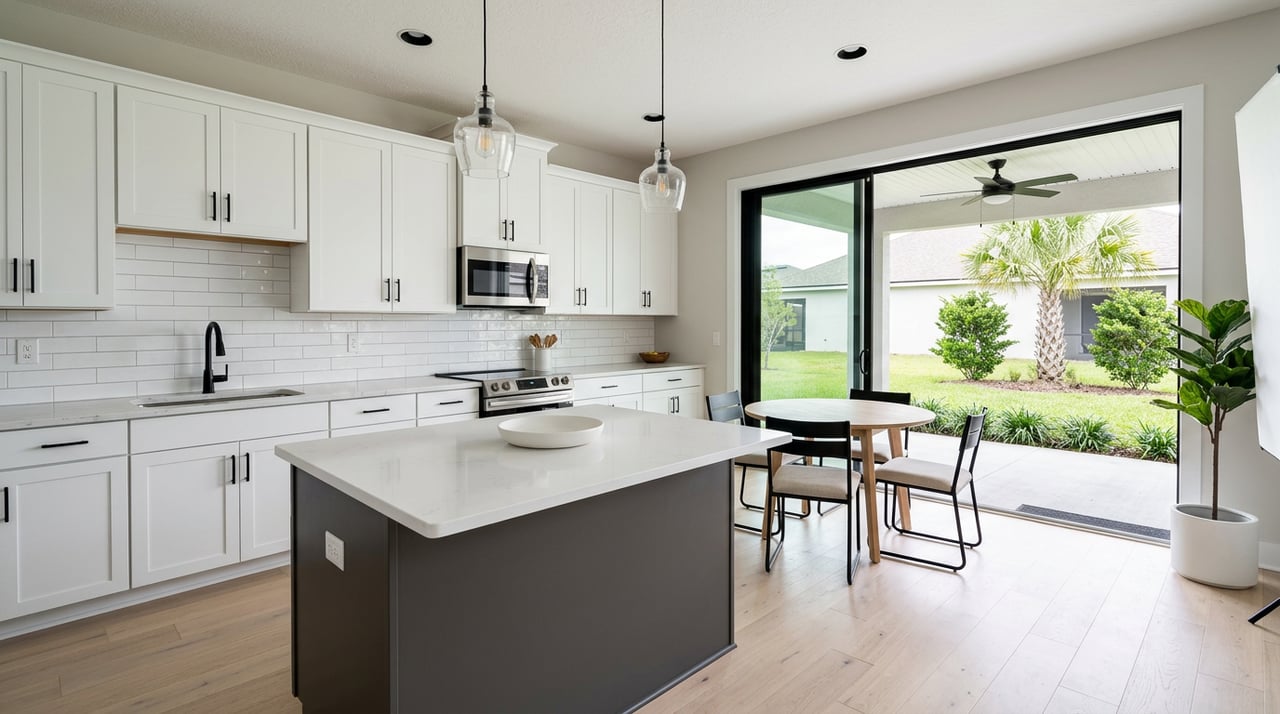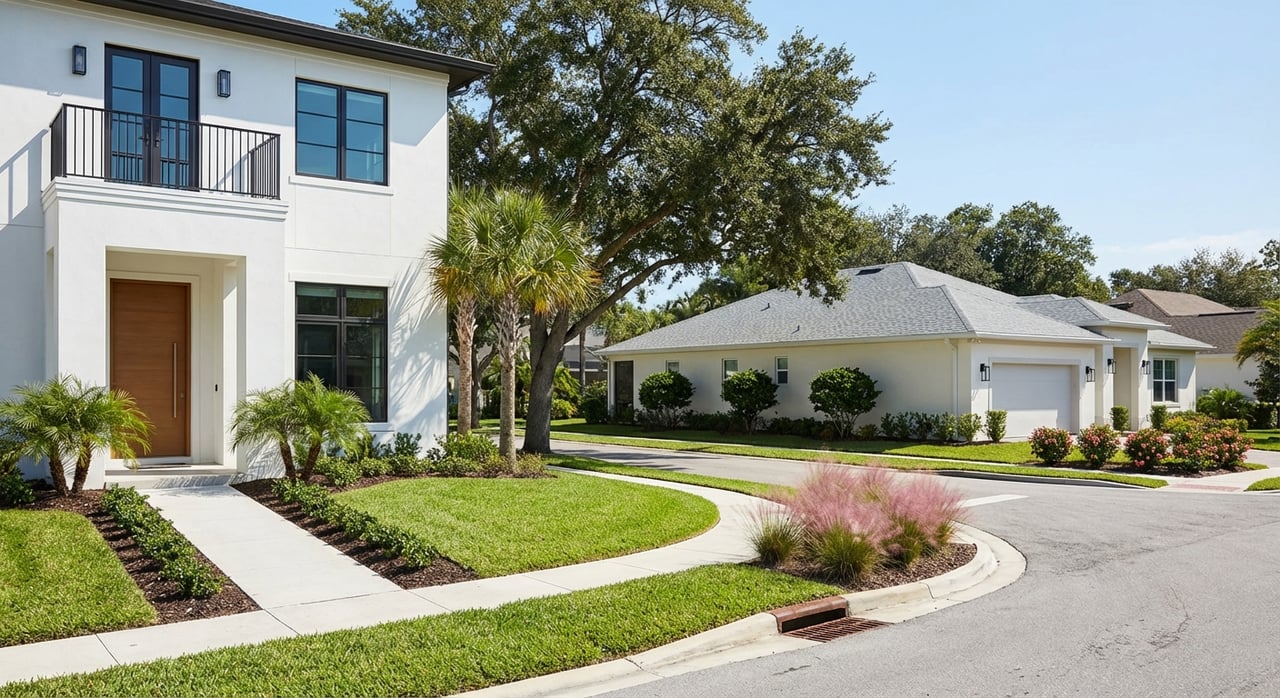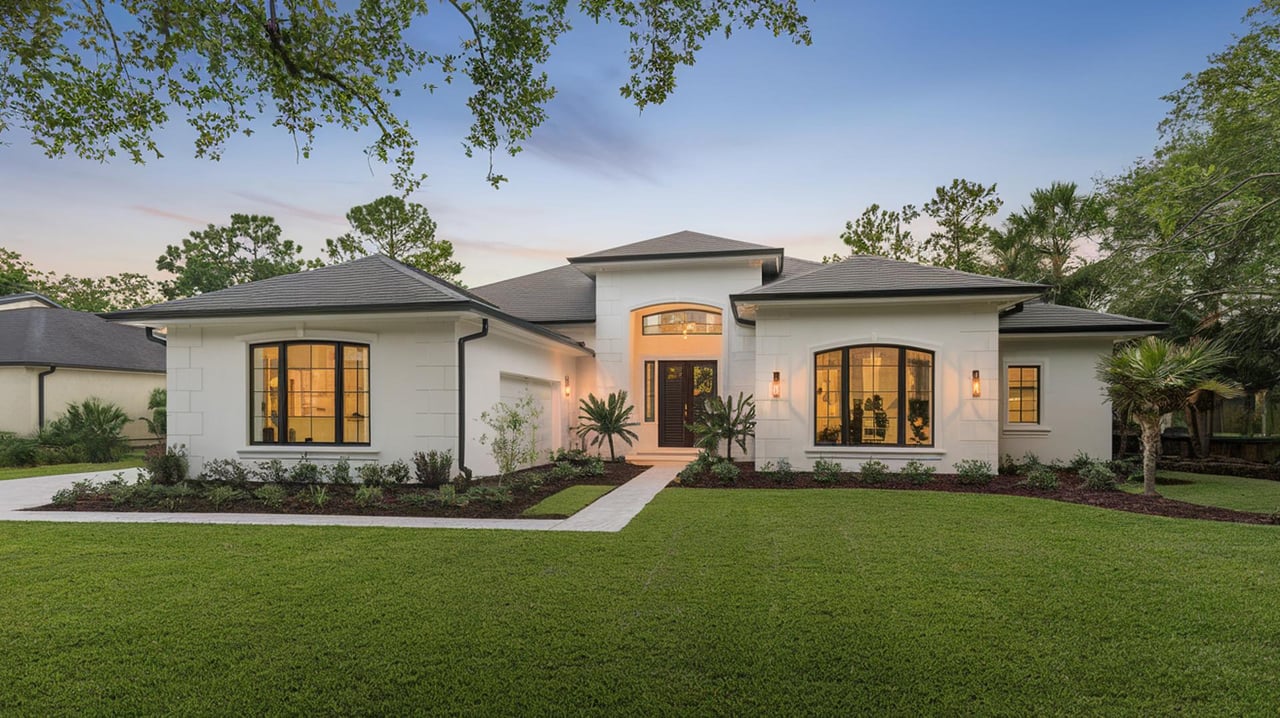
Thinking about a move in Wesley Chapel and stuck between a shiny new build and a well-kept resale? You’re not alone. Picking the right path affects your budget, timing, and future resale value. In this guide, you’ll learn the key tradeoffs, where to verify local details, and how to align the decision with your goals. Let’s dive in.
Wesley Chapel market context
Wesley Chapel is a fast-growing suburb of Pasco County within Greater Tampa Bay. Growth brings new communities, retail, and amenities, which impacts both new-build supply and resale demand. For current stats like inventory and days on market, review regional reports from Florida Realtors and property records from the Pasco County Property Appraiser.
Local planning and permitting shape what gets built and when. If you want to see where growth is planned, check the Pasco County Planning and Development resources for permits and subdivision activity. If a property may be in a flood zone, confirm requirements using the FEMA Flood Map Service Center.
New construction: what to expect
Benefits of a new build
- You get modern design, current energy codes, and systems that meet the Florida Building Code for wind and hurricane resistance.
- Roof, HVAC, plumbing, and electrical are new, which can lower early maintenance.
- If you buy early in the process, you can choose floor plans and finishes.
- Builders often include warranties, commonly structured as “1-2-10” coverage. Review terms before you commit.
Risks and tradeoffs
- Timelines can stretch. Inventory homes may close in 30–90 days, while ground-up builds often take several months or more.
- Upgrades add up quickly. The base price may look low, but design center choices raise the total.
- Negotiation can be limited in high-demand phases. Builders may offer incentives such as rate buydowns or closing credits instead of price cuts.
- Many new communities have HOAs and Community Development Districts (CDDs) that add recurring assessments. Ask for the full budget and fee schedule in writing.
Inspections and warranties
Even with a brand-new home, plan independent inspections at key milestones, such as pre-drywall and the final walk-through. A detailed punch list helps the builder address items before closing. Warranties help, but they do not replace thorough inspections or clear documentation.
Resale homes: what to consider
Benefits of a resale
- You can usually move in as soon as you close, which helps if you have a tight timeline.
- Pricing may be more negotiable, especially if updates are needed.
- Mature landscaping and established amenities are common in older neighborhoods.
- You can review seller disclosures and inspection results to understand history and condition.
Risks and due diligence
- Older roofs, HVAC, or plumbing can mean higher near-term costs.
- Some homes may not align with current code, especially hurricane or electrical standards.
- Flood risk varies by property. Verify flood zone and insurance requirements using the FEMA Flood Map Service Center.
- Pull permit history with the Pasco County Permitting office to confirm additions were done legally and with final inspections.
Cost and monthly payments
Purchase price and upgrades
New builds often carry a premium for modern features and brand-new systems. Resales may be priced competitively but can exceed new construction if they sit on prime lots or have extensive upgrades. Compare total costs, including upgrades on new builds and near-term repairs on resales.
Upfront and closing costs
- New build: deposits, design upgrades, builder fees, impact fees, potential CDD assessments, and standard closing costs. Incentives may offset some expenses.
- Resale: standard closing costs, possible credits for repairs, prorated HOA dues and taxes, and potential repair escrows if needed.
Ongoing monthly expenses
- HOA and CDD: Many planned communities charge HOA dues. Newer areas often include CDD assessments for infrastructure. Ask for the community budget and any upcoming assessment plans.
- Insurance: New homes may qualify for savings tied to modern wind mitigation, though flood zone and replacement cost still matter. Confirm coverage needs with your insurer and verify flood requirements on FEMA maps.
- Maintenance: New systems can lower early maintenance. Older homes may need capital projects sooner.
- Taxes: Review assessed values, exemptions, and the Florida homestead exemption on the Pasco County Property Appraiser site.
Timeline and financing
Builder incentives and lending
Builders sometimes offer rate buydowns or closing-cost credits, often with preferred lenders. Compare the net benefit to market options so you see the true cost. If you are considering government-backed loans, review program guidance from HUD for FHA and underwriting resources from Freddie Mac or Fannie Mae.
Construction-to-permanent loans
For a ground-up custom build, construction-to-permanent financing may fit. The timeline from contract to close can run several months or longer, and delays happen. Budget extra time for permitting, supply chain issues, and final inspections.
Resale value and long-term outlook
Resale strength depends on location, amenities, lot characteristics, and build quality. Newer homes that match today’s buyer preferences, such as energy efficiency and open layouts, can stay competitive. In fast-growing areas, new supply can pressure pricing if demand cools, so watch neighborhood trends through Florida Realtors’ market reports.
Florida-specific factors also matter. Flood risk and insurance costs can narrow the buyer pool for certain properties, and CDD assessments are closely reviewed by buyers. The hurricane-resistant elements required by the Florida Building Code can make newer homes relatively appealing after major storms.
Quick checklists for buyers and sellers
If you’re considering new construction
- Verify the builder’s track record and warranty terms; ask for references in Wesley Chapel communities.
- Read the contract carefully, including upgrade pricing, change orders, delivery schedule, and remedies for delays.
- Get the HOA and CDD budgets, rules, and any planned assessments in writing.
- Schedule independent inspections at key build stages and before closing.
- Compare net cost after incentives versus market-rate financing and resale options.
If you’re considering a resale
- Order a full home inspection and specialized inspections as needed for roof, HVAC, and pest.
- Review permit history and open permits with Pasco County Permitting.
- Confirm flood zone and prior flood history on the FEMA map portal.
- Budget for near-term capital items like roof or HVAC based on age and condition.
If you’re selling in Wesley Chapel
- Consider a pre-listing inspection to reduce renegotiations and build confidence.
- Highlight recent system replacements, smart-home features, and outdoor improvements.
- Price strategically against new-build competition and emphasize flexible closing timing.
Work with a local advisor
Your choice between a new build and a resale should fit your budget, timeline, and long-term plan. With hands-on new-construction coordination, neighborhood-level guidance, and a streamlined process, you can move with confidence in Wesley Chapel. If you’re ready to compare options or want a pricing strategy, connect with edwin higgins for a tailored plan.
FAQs
How do CDD fees affect my monthly budget in Wesley Chapel?
- CDD assessments are separate from HOA dues and repay infrastructure bonds. Ask for the community’s CDD schedule and include it in your monthly payment estimate.
Are builder warranties enough to skip a home inspection on a new build?
- No. Independent inspections help catch issues before closing and make your punch list clearer. Warranties require a claims process and are not immediate fixes.
What resources confirm flood zones for homes in Pasco County?
- Use the FEMA Flood Map Service Center to verify flood zone and insurance requirements for any Wesley Chapel address.
Where can I check taxes and exemptions for a Wesley Chapel home?
- The Pasco County Property Appraiser provides assessed values, tax history, and Florida homestead exemption information.
How long does a ground-up new build usually take?
- Timelines vary by builder and permitting. Inventory homes may close in 30–90 days, while a start-to-finish build commonly takes several months or more, with possible delays.
What financing should I explore for a new build in Pasco County?
- Compare builder incentives to market loans, and review program rules with your lender. For guidance, see HUD’s FHA resources and underwriting info from Freddie Mac or Fannie Mae.