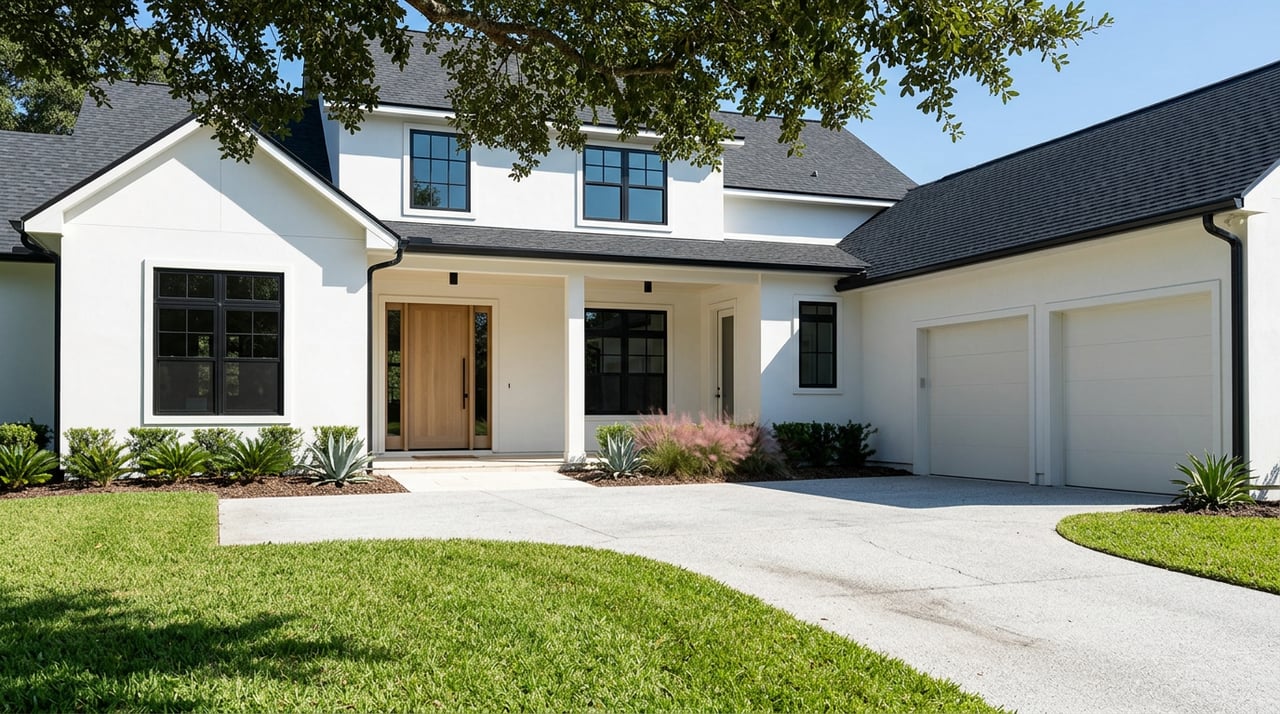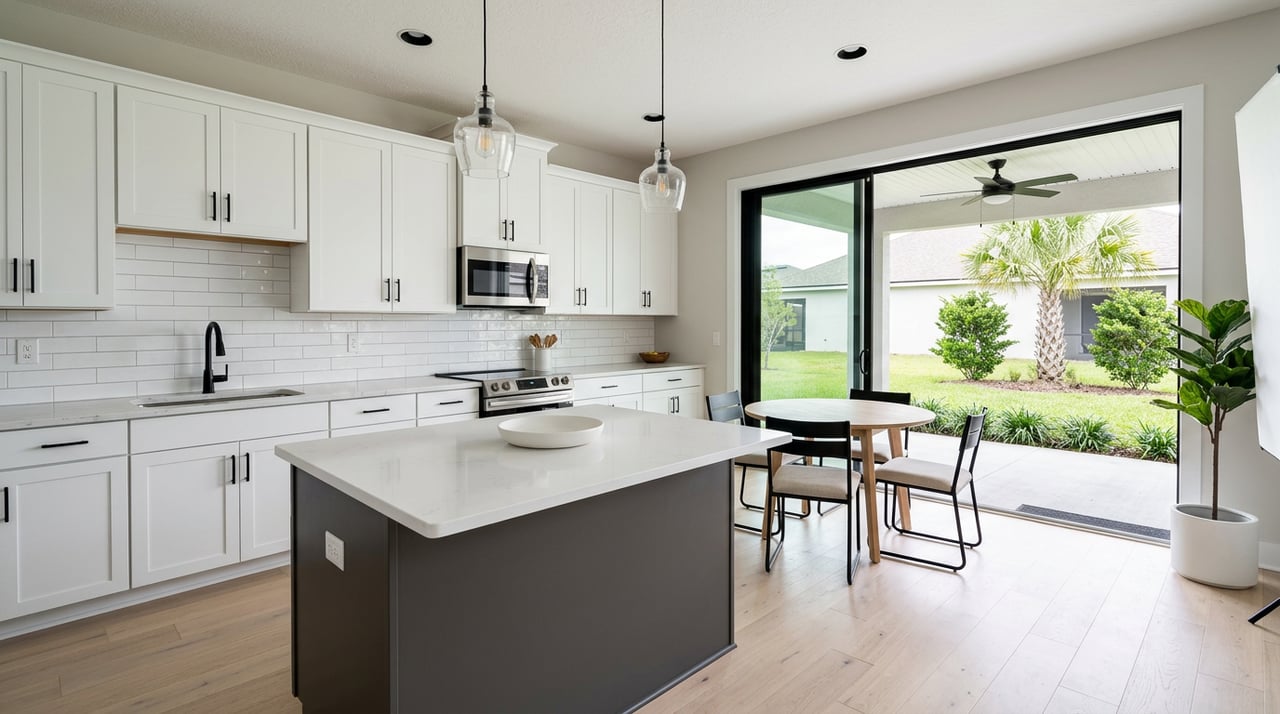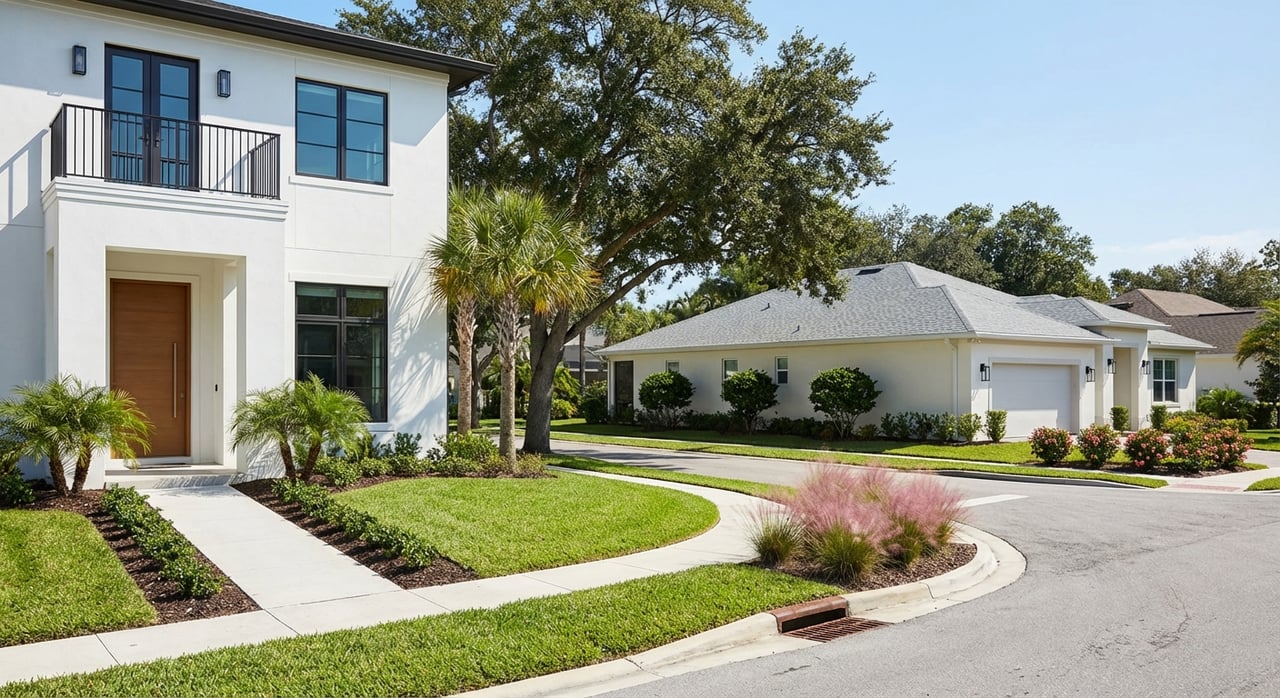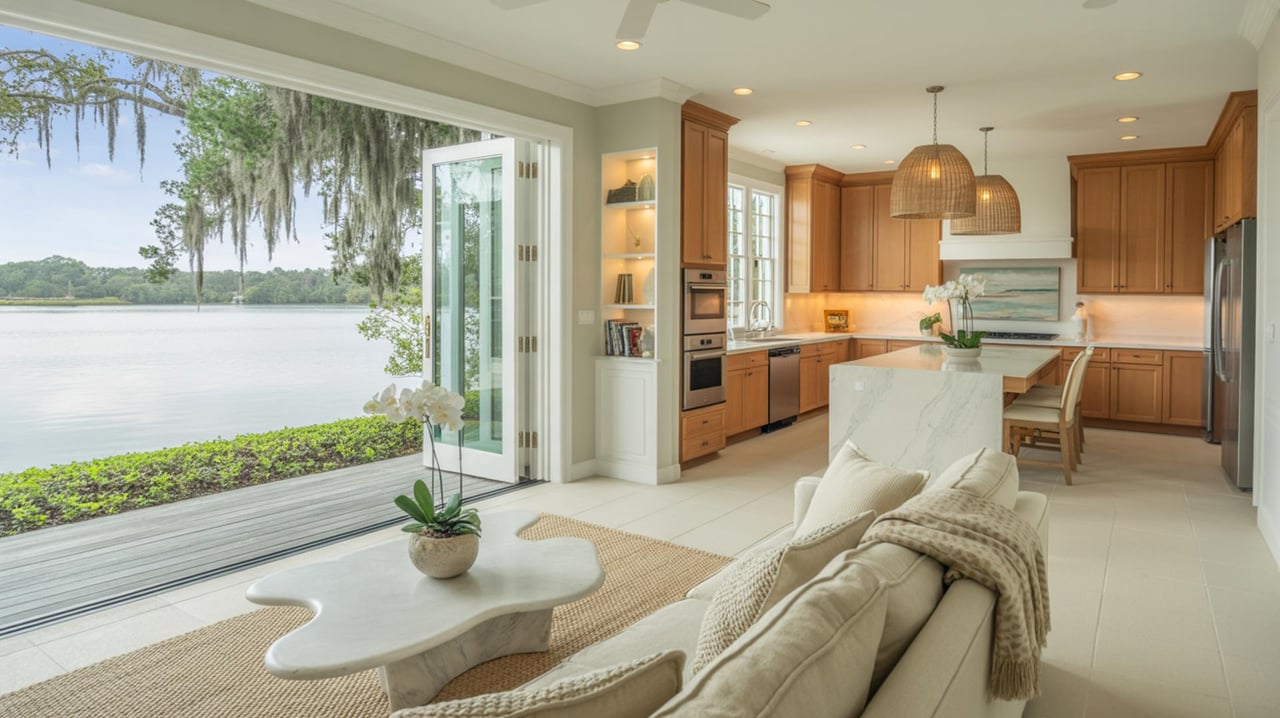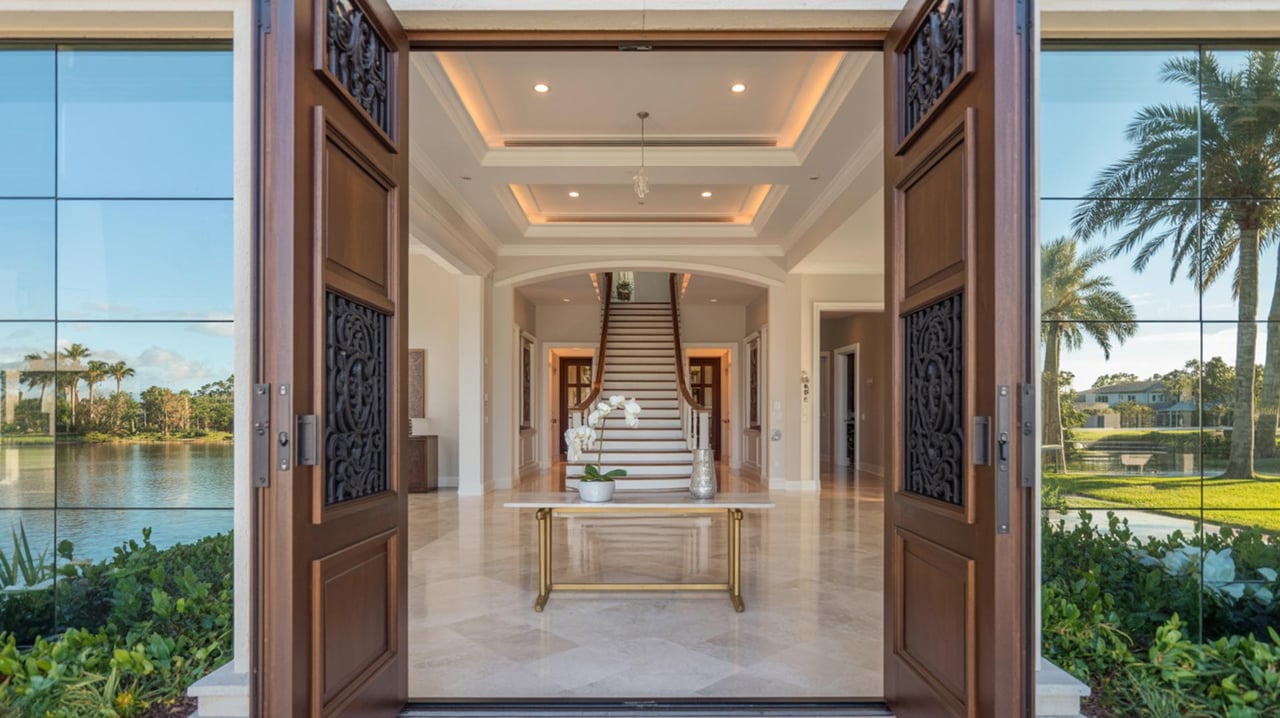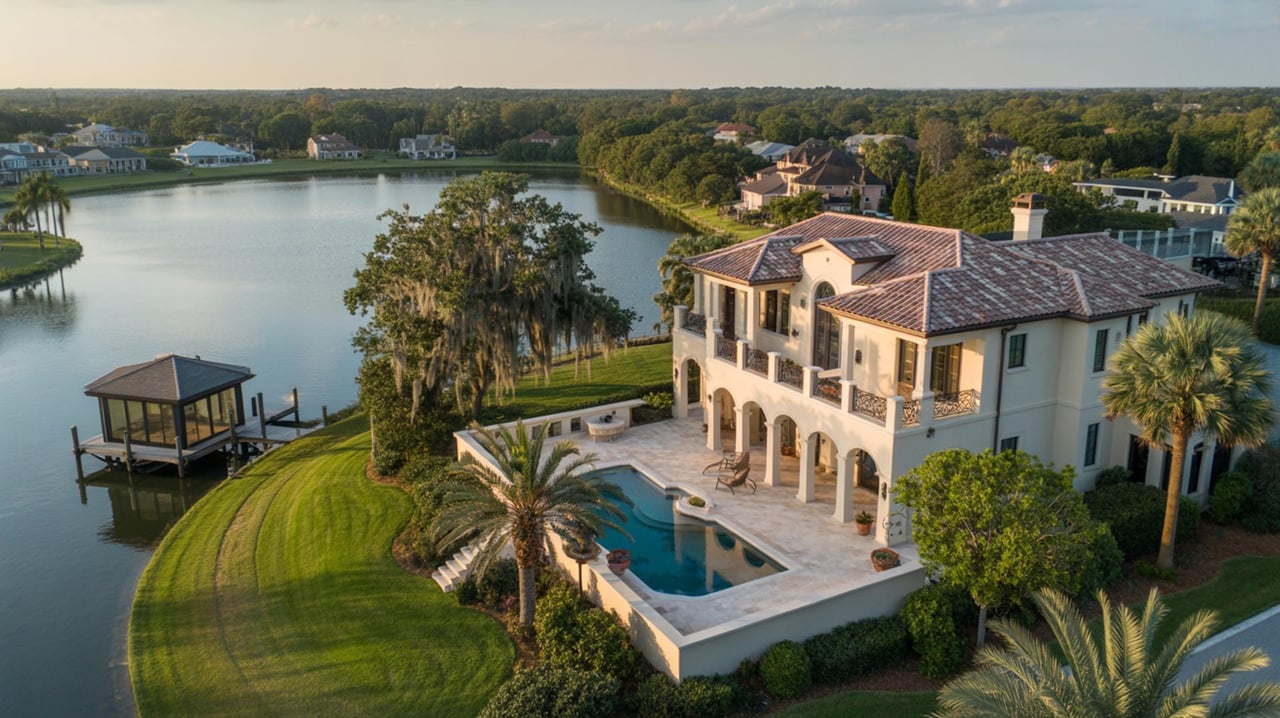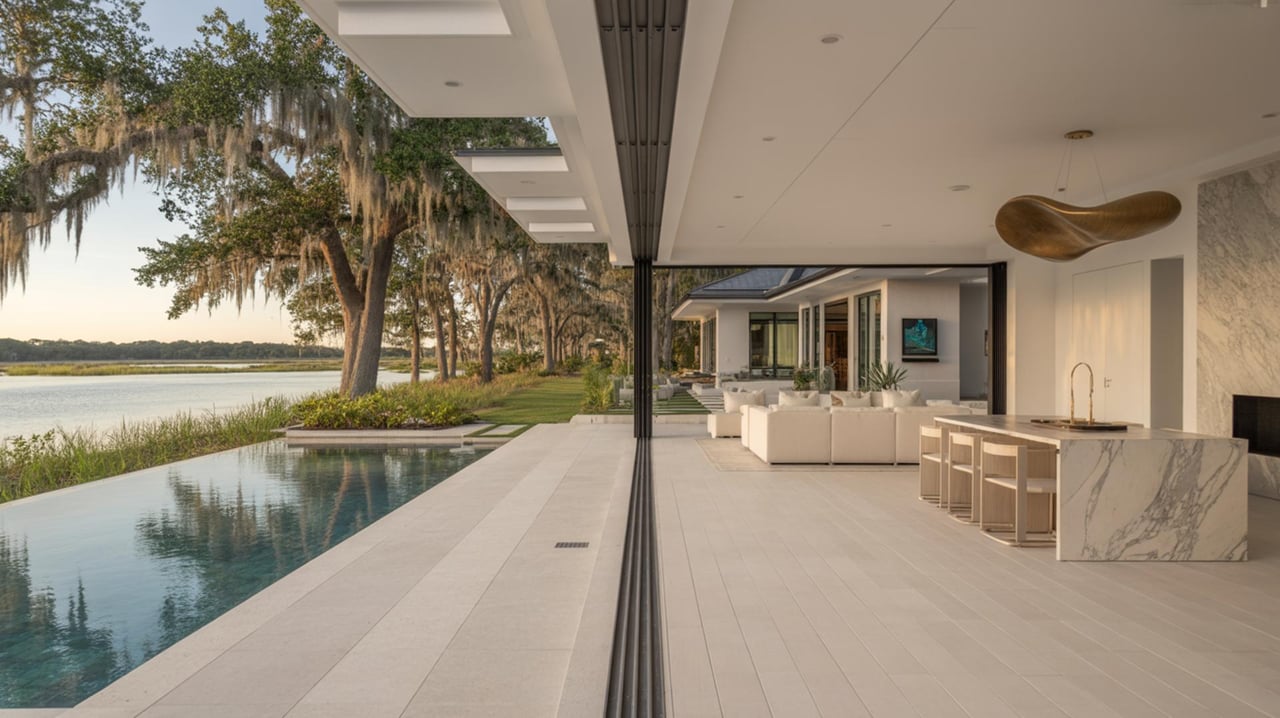
Thinking about selling your home in Land O’ Lakes and wondering what the right list price should be? You’re not alone. Pricing is the single biggest factor that determines how quickly you sell and how much you keep at the closing table. In this guide, you’ll learn how local Land O’ Lakes factors affect value, how to build a strong pricing strategy, and what to watch during the first few weeks on market. Let’s dive in.
What drives price here
Land O’ Lakes sits in northern Pasco County, close to major routes into Tampa. That location and the type of home you own can play a big role in pricing.
- Commute and access. Proximity to I-75, I-275, and the Suncoast Parkway attracts different buyer groups. Easy access can support stronger pricing for commuters, while quieter pockets may appeal to remote workers.
- New construction. Ongoing building in Pasco County can set a pricing baseline. Incentives from builders can draw buyers away from similar resales, so you need to understand how your home competes with new builds.
- Lot size and privacy. Larger or treed lots often command premiums compared to small-lot subdivisions. Corner and cul-de-sac placements can also influence demand.
- Pools and water features. Many Tampa Bay buyers expect a pool or value water views. A well-maintained pool or a lot near a lake or pond can materially affect price.
- Flood and elevation. Flood zone status can change a buyer’s insurance costs and eligibility. Check your property in the FEMA National Flood Hazard Layer so you can price with confidence.
- HOA details. HOA dues, rules, and special assessments influence the buyer pool and overall value. Have fee schedules and community details ready for buyers.
- Seasonality. Florida often sees stronger buyer activity from fall through spring. Timing can influence your days on market and offer strength, so align pricing and launch timing with demand. For broad context, review statewide trends from Florida Realtors market statistics.
Get your number right
Build a local CMA
A Comparative Market Analysis (CMA) is the foundation for your list price. Your agent will pull recent closed sales, active listings, and pendings from the local MLS to estimate a range for your home. The goal is to compare homes of similar size, age, features, and condition within your immediate neighborhood.
Before you start, gather the facts a strong CMA needs:
- Home details: year built, square footage, beds, baths, garage, pool, lot size, and floor plan highlights.
- Condition and upgrades: age of roof, HVAC, water heater, kitchen and bath updates, and permit history.
- Fees and taxes: HOA dues and rules, your latest property tax bill, and any assessments. You can verify lot size, legal description, and assessed value through the Pasco County Property Appraiser.
- Risk factors: flood zone status and any known structural or environmental issues. Use the FEMA National Flood Hazard Layer to confirm.
Your agent’s CMA will rely on current data from resources like Stellar MLS. This includes median days on market, price per square foot, and sale-to-list ratios for your area.
Pick the right comps
Great comps are close in location, recent in time, and similar in features. Start in your subdivision or within about a mile. Aim for sales from the last 3 to 6 months, or even 30 to 90 days in faster markets. Adjust for major differences like square footage, bedroom count, lot size, pool, garage spaces, and significant renovations.
If closed sales are scarce, consider pending and active listings to understand current competition. Treat them as indicators, not hard valuation anchors. Your agent will balance these inputs and explain the pricing range.
Price per square foot
Price per square foot is helpful as a quick check, but it is not the whole story. Floor plan, lot characteristics, age, and updates can shift the right number quite a bit. Use it to sanity-check your CMA rather than to set your price by itself.
Smart pricing strategies
Market-value pricing
Listing at a well-supported market price helps you show up in the right online searches and attract serious buyers quickly. This approach works well when you want strong early activity and credible offers. Be mindful of the appraisal if multiple offers push your price above recent comparable sales.
Under-market to spark bids
In high-demand pockets, slightly under-pricing can draw more attention and lead to multiple offers. That competition can produce a higher final price and better terms. This works best when recent comps show brisk activity and your home photographs and shows beautifully.
Overpricing risks
A premium asking price can slow traffic and increase your days on market. Long market time encourages bargain hunting and can lead to price cuts later. Consider this route only if your timeline is flexible and your property is truly unique.
Price bands that work
Small moves can expand your reach. Pricing just under common search thresholds, like 399,900 instead of 400,000, can increase your visibility across portal filters. Use banding as a fine-tuning tactic on top of a CMA-backed price.
Watch the first 3 weeks
The first 2 to 3 weeks after listing are your golden window. Most showings and offers happen early when your home is new to market. Set objective triggers with your agent to evaluate pricing.
- If you see strong traffic and early offers, you’re likely in the right range. Consider an offer deadline if multiple offers arrive.
- If you have low showings or little interest after 14 to 21 days, reassess pricing, photos, staging, and condition. A single clean price adjustment is often more effective than several small reductions.
- Consider incentives, like a closing cost credit or rate buy-down, if you are close on price but need to widen the buyer pool.
Price versus condition
Buyers in Land O’ Lakes respond to clean, neutral spaces that show well online. Minor updates, like fresh paint, landscaping touch-ups, and light handyman work, often deliver a strong return by improving perceived value. Major remodels right before listing can be risky to recoup, so prioritize the improvements buyers expect in your price range.
If you are concerned about surprises, consider a pre-listing inspection. Sharing a clean report and a list of recent repairs can boost buyer confidence and help support your asking price. For homes likely to attract VA or FHA buyers, be prepared for property standards that could trigger repair requests.
Insurance, flood, and costs
Florida insurance and hazard risks matter to buyers and appraisers. Be ready to answer questions clearly.
- Flood risk. Confirm your flood zone and be prepared to share information about elevation and insurance expectations. Start with the FEMA National Flood Hazard Layer and ask your insurance professional for a current estimate.
- Wind and roof. Wind mitigation features and a newer roof can be selling points. Provide any inspection reports or wind mitigation documents you have.
- Closing costs and net proceeds. Typical seller costs can include agent commission, title insurance and closing fees, prorated taxes, HOA transfer fees, and any negotiated repairs or credits. Ask for a customized net sheet from a local title company or your agent so you can price with your bottom line in mind.
- Taxes. Florida does not have a state income tax, but speak with a tax advisor about federal capital gains rules. For broad market context and financing trends, you can review national resources from the National Association of Realtors.
Present your price well
A strong presentation helps justify your asking price. Buyers shop online first, so your first impression needs to land.
- Photography and video. Professional photos, twilight shots, and simple walk-through videos increase showings and support your price.
- Floor plan and dimensions. Accurate floor plans reduce friction for out-of-area buyers and help buyers visualize.
- Staging. Professional staging or light styling makes spaces feel larger and cleaner. Virtual staging is a smart option for vacant homes.
- Marketing copy. Highlight neighborhood amenities like parks, lakes, trails, and nearby conveniences. Share upgrade timelines and include practical details, like HOA features and approximate commute routes, without making qualitative claims about schools. If school zoning is important to your buyer pool, link buyers to Pasco County Schools boundary information so they can verify.
Seller checklist
Use this quick prep list to support accurate pricing and a smoother sale:
- Gather deeds, tax bills, utility bills, appliance manuals, warranties, and permits for improvements.
- Compile a list of upgrades and replacement dates for roof, HVAC, water heater, and major systems.
- Confirm your flood zone and get an insurance estimate through the FEMA National Flood Hazard Layer and your insurer.
- Request CMAs from 2 to 3 local agents to compare approach, pricing range, and marketing plan.
- Ask for a sample net sheet from a local title company so you know your likely proceeds.
- Decide on minor prep projects, and consider a pre-listing inspection if you want to address items upfront.
Partner with a local pro
Your price should reflect the micro-market in your specific Land O’ Lakes neighborhood, the competition from nearby new construction, and the features buyers value most in Pasco County. A local advisor who knows the data and how to position your home can make a measurable difference in your outcome.
If you’re ready to price with confidence, get a personalized CMA and marketing plan that matches your goals. Reach out to edwin higgins to get your free home valuation and a data-driven strategy tailored to your property.
FAQs
How is a Land O’ Lakes list price set?
- Your agent builds a CMA using recent local sales, active and pending listings, and adjustments for features and condition, then recommends a pricing range based on market data.
What local factors affect Land O’ Lakes pricing most?
- Access to I-75, I-275, and the Suncoast Parkway, competition from new construction, lot size and privacy, pool or water features, flood zone status, HOA details, and seasonality.
How long should I expect to be on the market?
- It depends on your price point and inventory; your agent will share current median days on market and months of supply for your neighborhood from local MLS data.
Should I fix items or price as-is?
- Tackle high-visibility, cost-effective items like paint, landscaping, and minor repairs; consider a pre-listing inspection to decide which issues to fix versus disclose and price accordingly.
How do flood zones affect price and buyers?
- Flood zones can influence buyer eligibility and insurance costs; verify your status with the FEMA National Flood Hazard Layer and be ready to share insurance information.
What if the appraisal comes in low?
- You can renegotiate the price, ask the buyer to cover the gap, split the difference, or cancel per the contract contingencies.
How do I handle multiple offers on my home?
- Work with your agent on a short offer deadline and evaluate beyond price, including financing type, appraisal and inspection terms, and closing timeline.
Are VA or FHA offers harder to close?
- These loans have specific appraisal and property standards that may require repairs; plan for potential fixes or price conservatively to accommodate.
What are typical seller closing costs in Pasco County?
- Expect commission, title insurance and closing fees, prorated taxes, HOA transfer fees if applicable, and any negotiated credits or repairs; ask for a customized net sheet.
When should I adjust my price?
- If you see limited showings or no offers within 14 to 21 days, review condition, marketing, and consider a single clear price adjustment based on buyer feedback and MLS data.