Trying to choose between a townhome and a single-family home in Citrus Park? You’re not alone. The right choice depends on how you want to live, your budget, and how much time you want to spend on maintenance. In this guide, you’ll learn the key differences in ownership, costs, insurance, financing, and resale so you can move forward with confidence. Let’s dive in.
Quick definitions that matter
Single-family detached
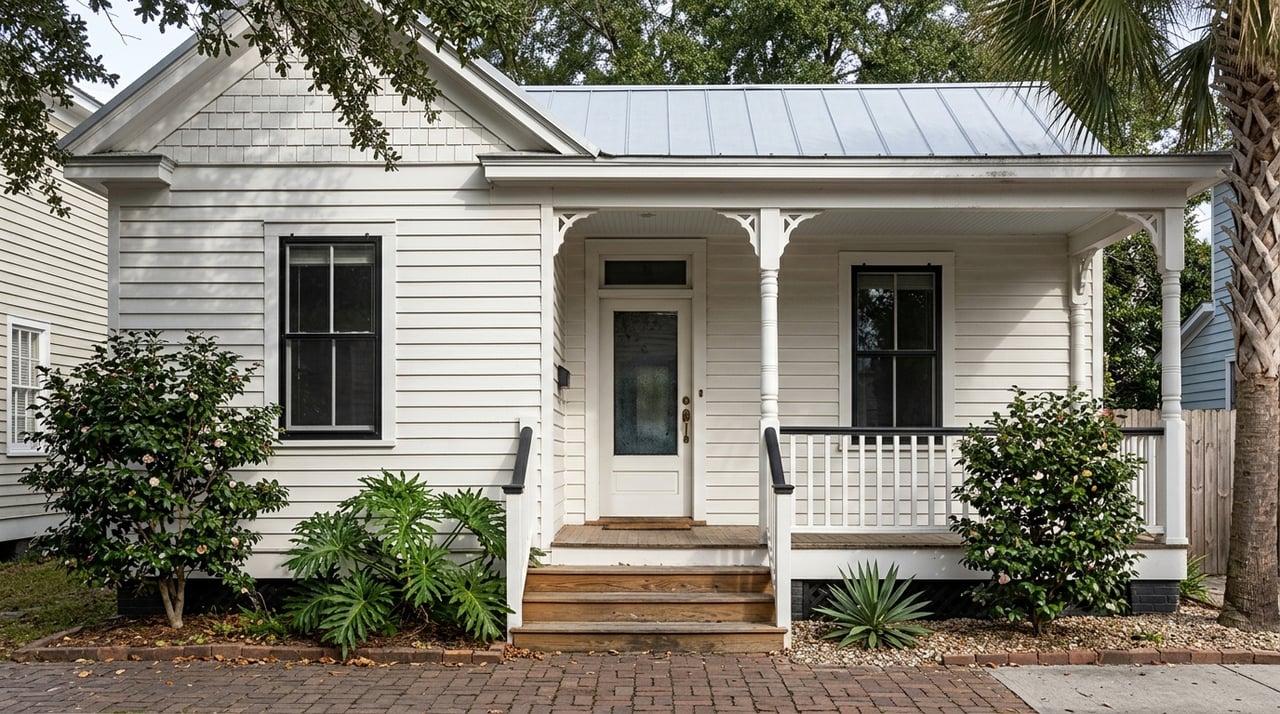
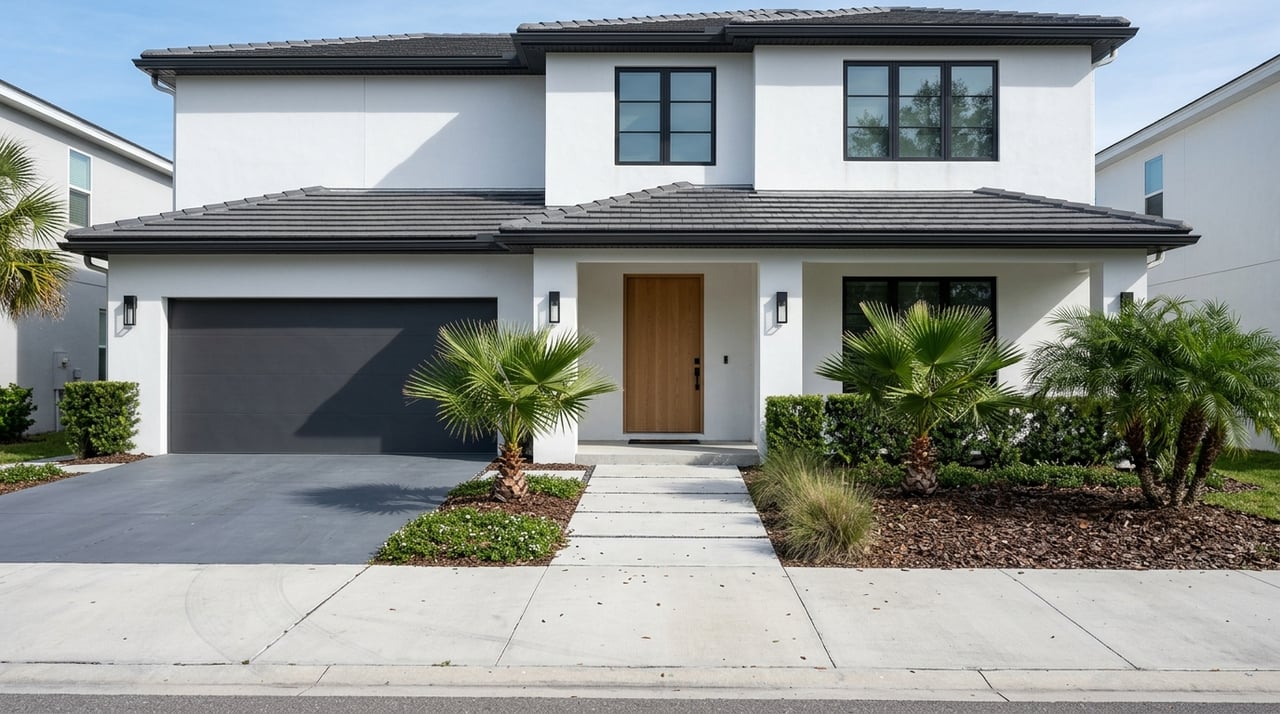
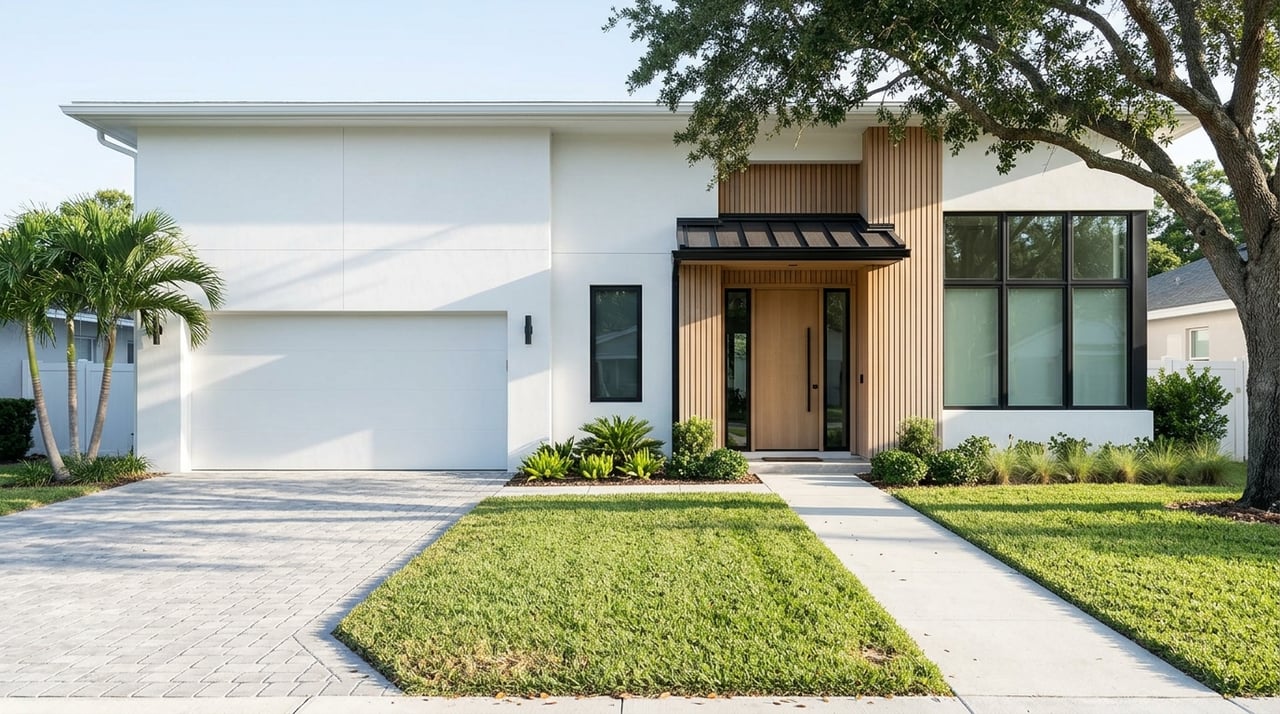
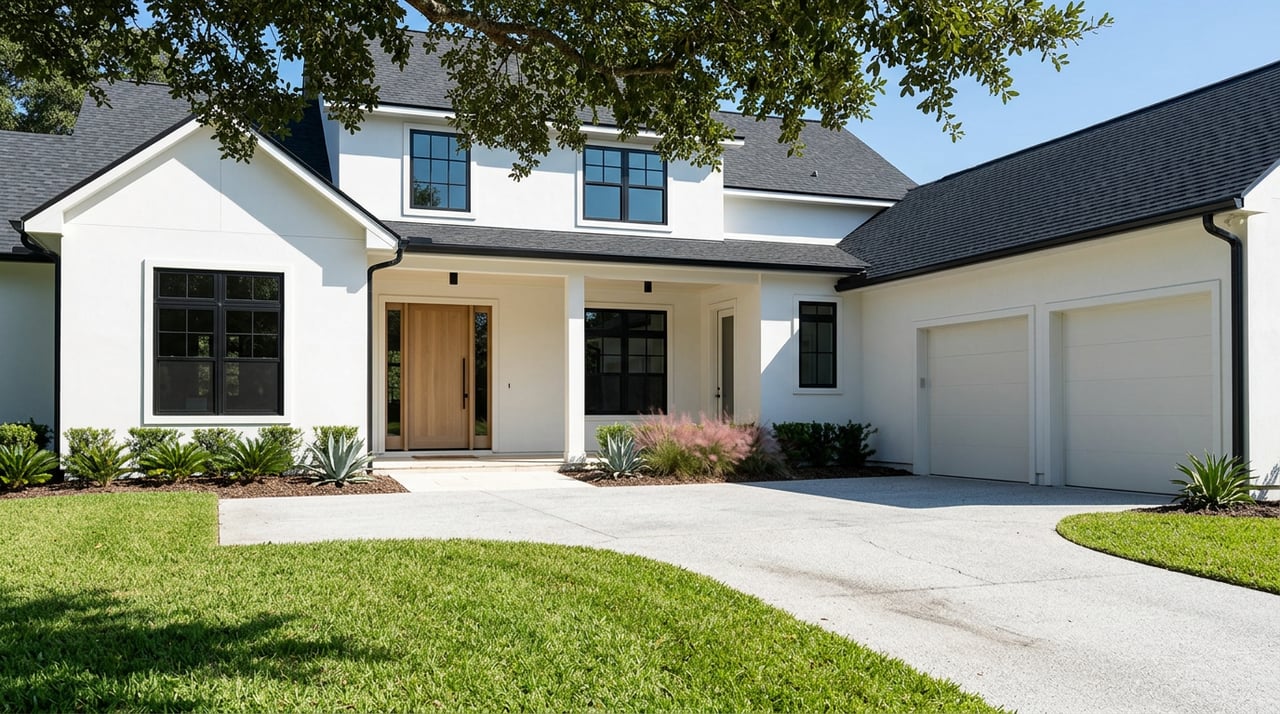
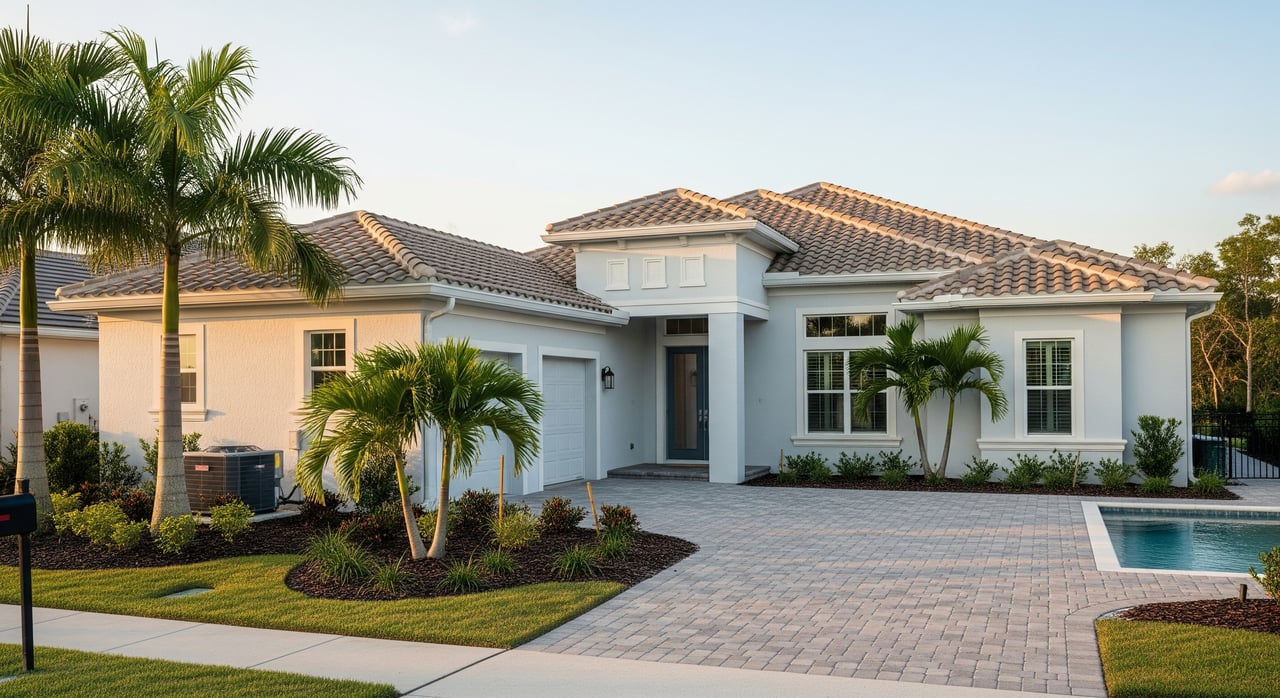
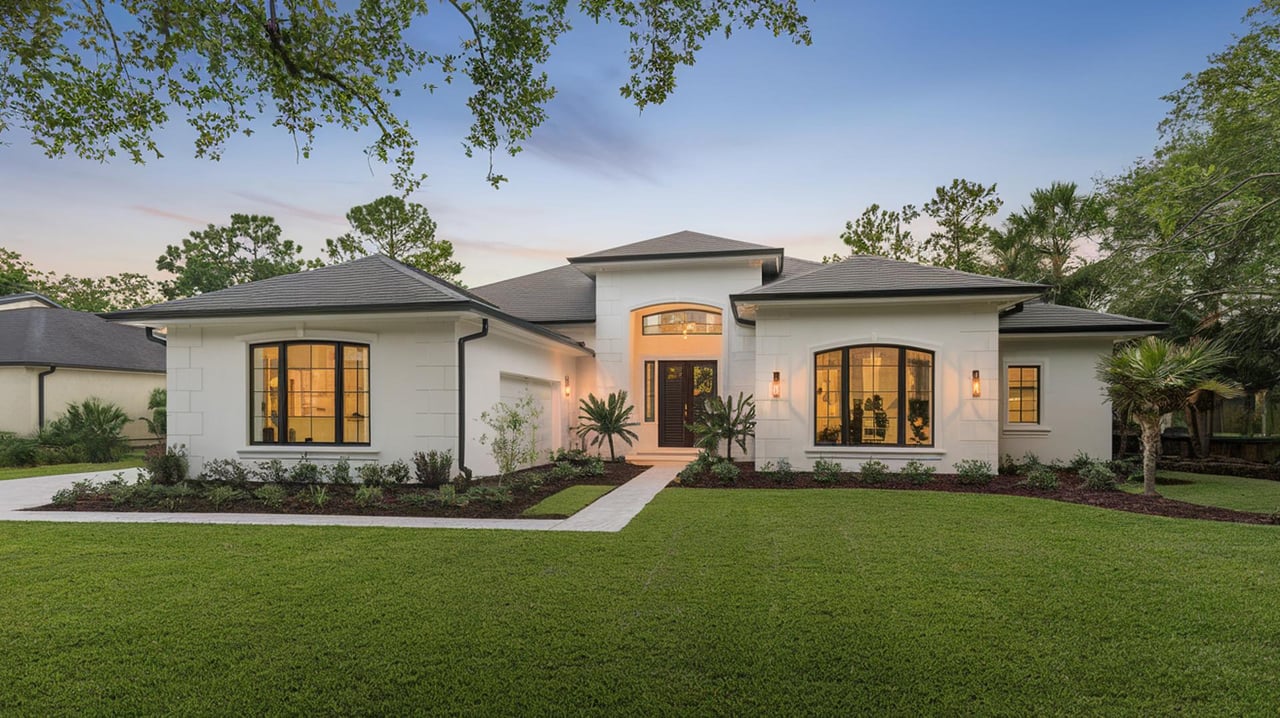
A single-family detached home is one dwelling on its own lot with no shared walls. You typically own both the structure and the land. You get more yard space and privacy, and you control exterior decisions and maintenance.
Townhome
A townhome shares one or more walls with neighbors. In Florida, a townhome can be fee simple or condominium. The legal form affects who maintains what, how insurance works, and how lenders underwrite your loan. Most townhomes are in associations that handle some exterior items and common areas.
Ownership and association differences
Fee simple vs condominium
A fee-simple townhome is often treated more like a detached home for financing and insurance. A condominium means you own the interior of the unit while the association owns and maintains common elements. Condo communities can have stricter rules and different lender requirements. In Citrus Park, confirm the ownership type in the recorded deed and the association documents before you write an offer.
HOA governance and rules
Most townhomes fall under a homeowner or condo association that enforces covenants, collects dues, and maintains common areas. Many single-family neighborhoods also have HOAs, but some do not. Always review the budget, reserves, bylaws, covenants, meeting minutes, and any rental rules. A well-run association can be a benefit, while an underfunded one can lead to special assessments.
Local market context in Citrus Park
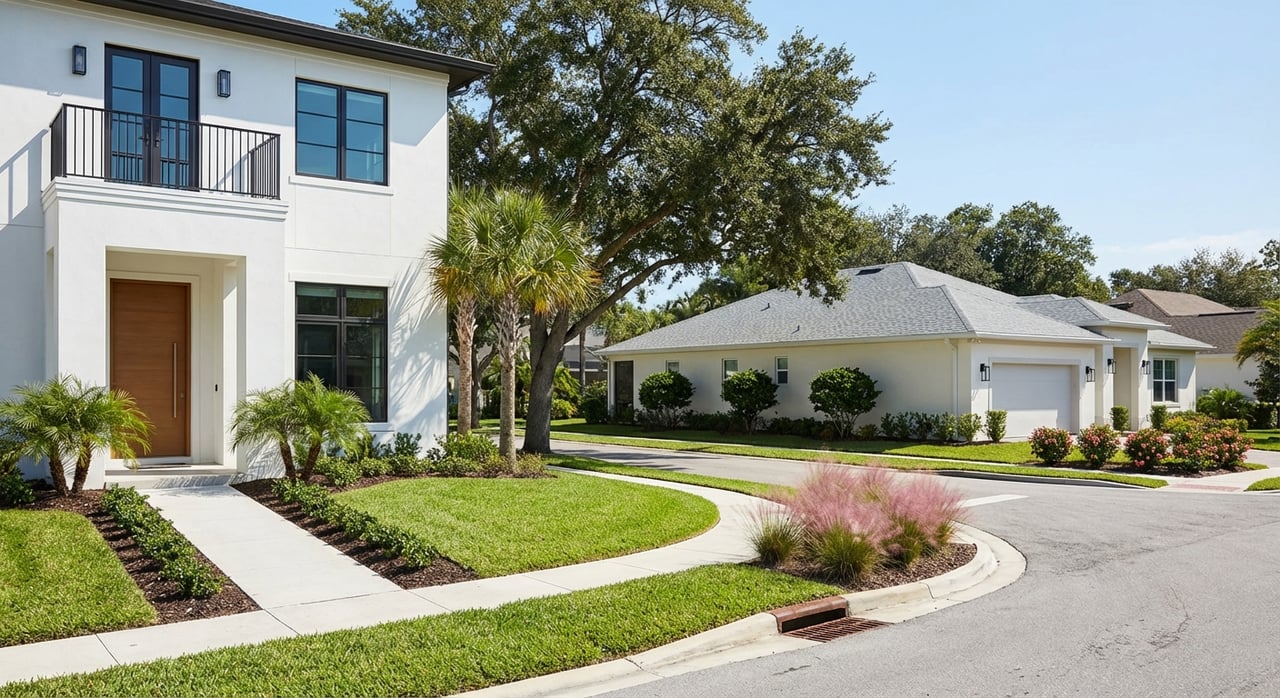
Citrus Park sits in western Hillsborough County within the Tampa metro. Access to major corridors like the Veterans Expressway and key county roads drives buyer interest. You’ll find both established neighborhoods and newer subdivisions, which means different HOA structures and maintenance expectations.
Buyer priorities here often balance budget with commute times, neighborhood amenities, and proximity to services. Townhomes tend to attract first-time buyers, young professionals, and empty nesters who want lower maintenance. Single-family homes often appeal to those seeking yards, separation of space, and long-term flexibility.
Cost of ownership in Florida terms
HOA dues and what they cover
Townhome communities typically charge monthly or quarterly dues. These can include exterior maintenance, roof and siding in some setups, landscaping of common areas, gates or security, and amenities. Condominium dues are often higher because building insurance, roofs, and exteriors are shared. Always request the budget, reserve study, special assessment history, and insurance policies to understand true costs.
Property taxes and homestead
Florida property taxes are assessed at the county level. If you make the home your primary residence, you may qualify for a homestead exemption that lowers the assessed value and limits annual increases. Check historical tax bills for comparable properties and confirm eligibility and deadlines with county resources.
Insurance, wind, and flood risk
Florida’s insurance market is unique. You may need separate wind coverage, and flood insurance depends on FEMA flood zones for the specific parcel. Even inland areas can carry flood risk. Townhome and condo policies differ because associations may cover building exteriors in a condo, while fee-simple owners cover their structures directly. Get insurance quotes for the exact address before you finalize your contract.
Maintenance and utilities
Single-family homes come with greater responsibility for yard care, exterior upkeep, roof replacement, irrigation, and pest control. You control timing and quality of work. Townhomes usually shift some exterior responsibilities to the association, which lowers your time commitment but raises monthly dues. Verify utility providers and what, if anything, the HOA covers.
Financing and resale outlook
Mortgage underwriting
Detached single-family homes are typically straightforward for conventional, FHA, and VA loans. Fee-simple townhomes are often underwritten like detached homes. Condominiums can require project-level approvals and stricter guidelines, including rules on reserves, investor concentration, delinquencies, and litigation. If you’re considering a condo-form townhome, confirm loan eligibility early with your lender.
Appraisal and pricing
Attached homes often price lower per square foot than detached homes in similar areas, though total price depends on size, condition, lot, and amenities. Appreciation trends may diverge because land value often supports single-family pricing. Local supply, new construction, and buyer demographics can shift the pattern, so rely on current Citrus Park comps rather than broad averages.
Resale and rental
Single-family homes usually draw a wider buyer pool and can offer steady resale appeal. Townhomes can resell quickly in well-run communities with strong amenities and reasonable dues. If you plan to rent, check association rules. Some HOAs limit the number of rentals or the length of leases, and condo communities often have stricter caps.
Which home fits your lifestyle?
- Choose a townhome if you prefer lower exterior maintenance, value community amenities, and want a potentially lower entry price. You are comfortable with HOA rules and steady dues, and you like being close to retail and services.
- Choose a single-family home if you want more privacy and yard space, prefer to control exterior decisions, and prioritize a broader resale audience. You accept higher maintenance responsibility and possibly higher upfront costs.
Buyer due-diligence checklist
- Confirm ownership type in the recorded deed: fee simple or condominium.
- Review HOA or condo documents: budget, reserve study, bylaws, covenants, meeting minutes, insurance policies, rental rules, and any litigation disclosures.
- Ask for special assessment history and policy.
- Obtain insurance quotes for homeowner, wind, and flood for the specific address.
- Check the FEMA flood zone and request any available elevation certificates.
- Pull historical tax bills and confirm homestead exemption steps.
- Request 3 to 6 recent comparable sales for attached and detached homes in Citrus Park.
- Inspect shared walls, roof age, pest history, and common-area maintenance for townhomes.
- Verify utility providers and what is included in your dues.
Seller preparation tips
- Assemble an HOA disclosure packet and confirm dues and assessments are current.
- Document maintenance and warranties for roof, HVAC, and major systems.
- Provide insurance history and any mitigation updates such as hurricane shutters or roof improvements.
- Highlight neighborhood amenities, recent upgrades, and energy-efficiency features in your listing.
How to research the Citrus Park market now
- Compare attached vs detached sales using recent MLS data: median price per square foot, days on market, and inventory levels.
- Collect 6 to 8 comps from the past 6 to 12 months, including both townhomes and single-family homes in nearby subdivisions.
- For each comp, note HOA dues, what they include, tax history, flood zone, lot size, year built, roof age, and days on market.
- Confirm school attendance zones with county resources and note drive times to major job centers.
- For townhomes, request association summaries and look for signs of healthy reserves and consistent upkeep.
Your next step
You do not have to make this decision alone. If you want a side-by-side plan that matches your budget, commute goals, and maintenance preferences, reach out for a local strategy session. For a tailored comparison of Citrus Park townhomes and single-family options, connect with edwin higgins for friendly, data-informed guidance.
FAQs
What is the main difference between a fee-simple townhome and a condo in Citrus Park?
- Fee-simple owners typically own the land and structure and carry their own building insurance, while condo owners usually own the interior and share building exteriors and insurance through the association.
How do HOA dues for townhomes compare with single-family homes?
- Townhome and condo dues often run higher because associations may cover exteriors, roofs, common-area upkeep, amenities, and master insurance, while single-family dues can be lower if limited to common areas.
Do I need flood insurance if my Citrus Park home is inland?
- You should check the FEMA flood zone for the specific parcel; inland homes can still face flood risk, and a lender may require coverage depending on the zone.
Will a condo-form townhome affect my loan options?
- Yes. Condominiums often require project approval and have stricter lender guidelines, so confirm eligibility early if you plan to use FHA or VA financing.
Does the Florida homestead exemption apply to both townhomes and single-family homes?
- Yes. If the property is your primary residence, both ownership types may qualify for homestead benefits that reduce assessed value and limit annual increases.
Are townhomes harder to resell than single-family homes in Citrus Park?
- Resale depends on community management, dues, amenities, and current demand; single-family homes often reach a broader buyer pool, but well-run townhome communities can sell quickly.
What maintenance should I expect as a single-family homeowner?
- Plan for yard care, exterior painting, roof replacement over time, pest control, irrigation maintenance, and repairs to driveways or fencing.