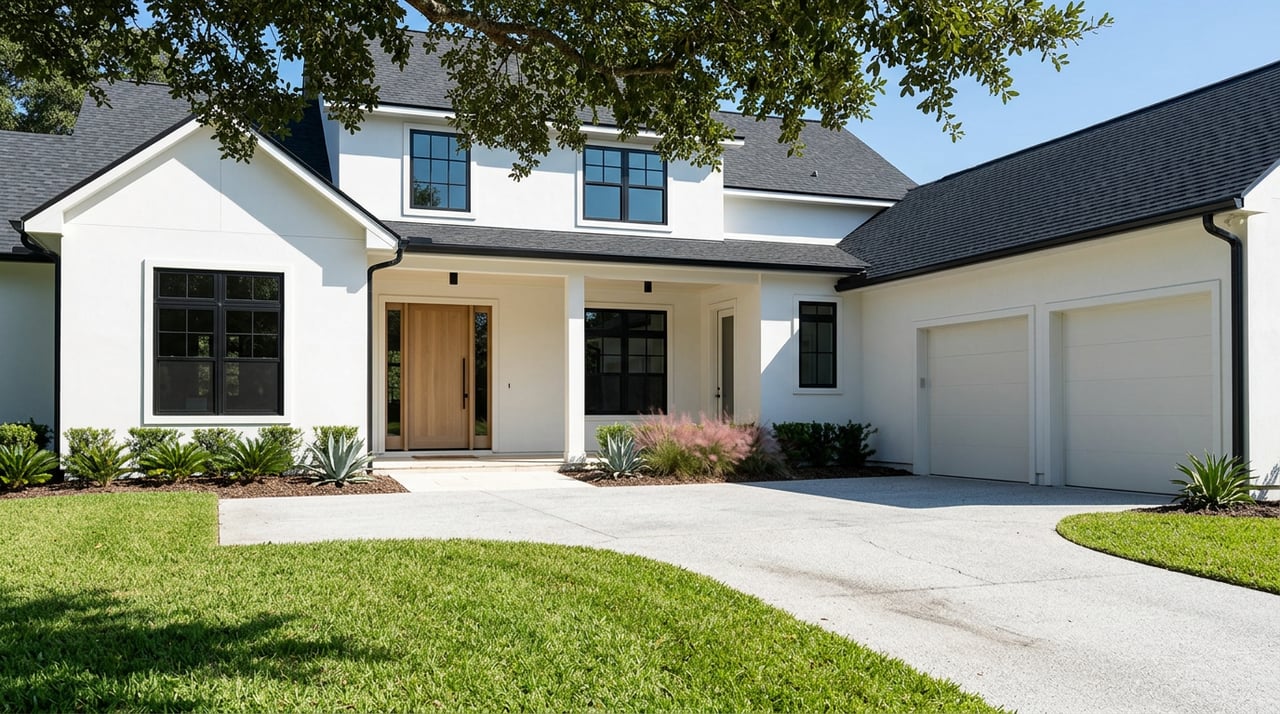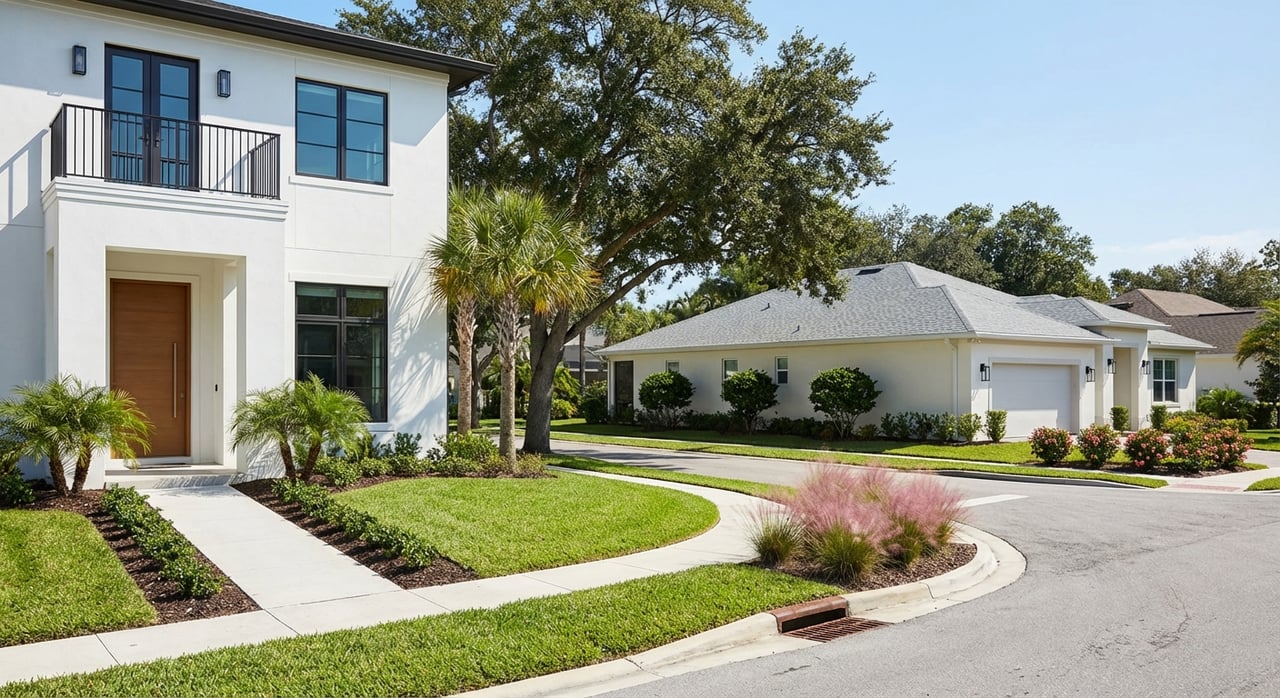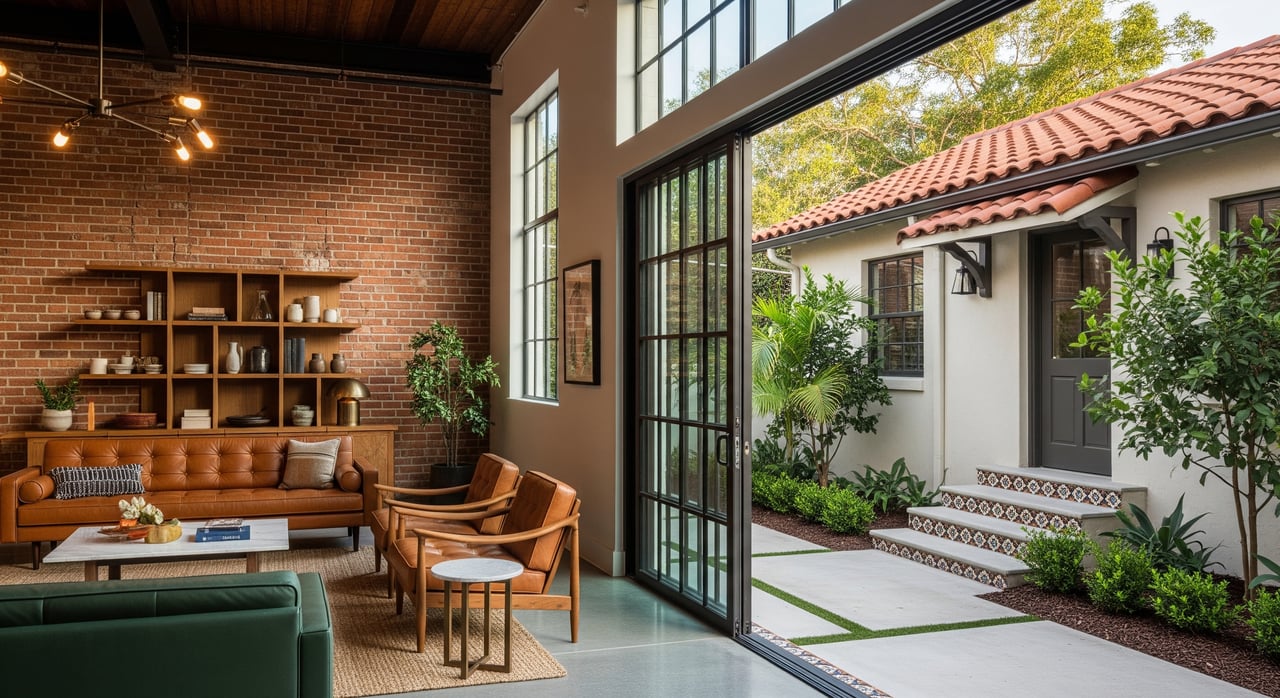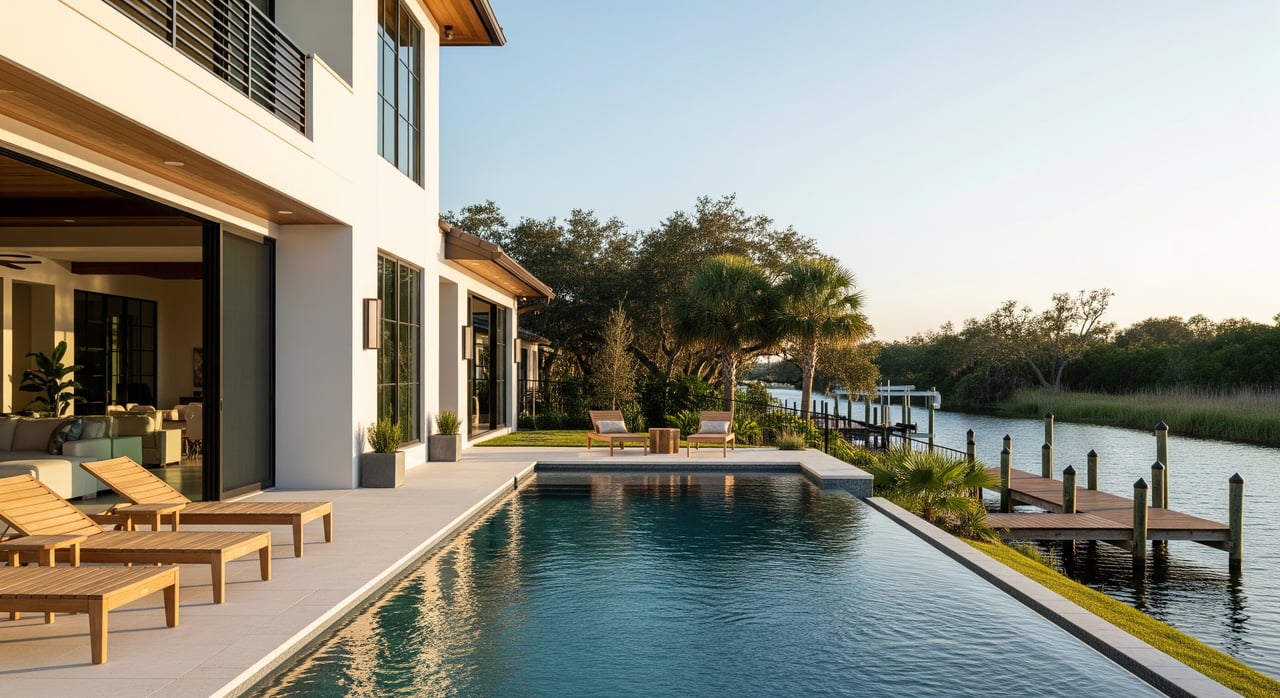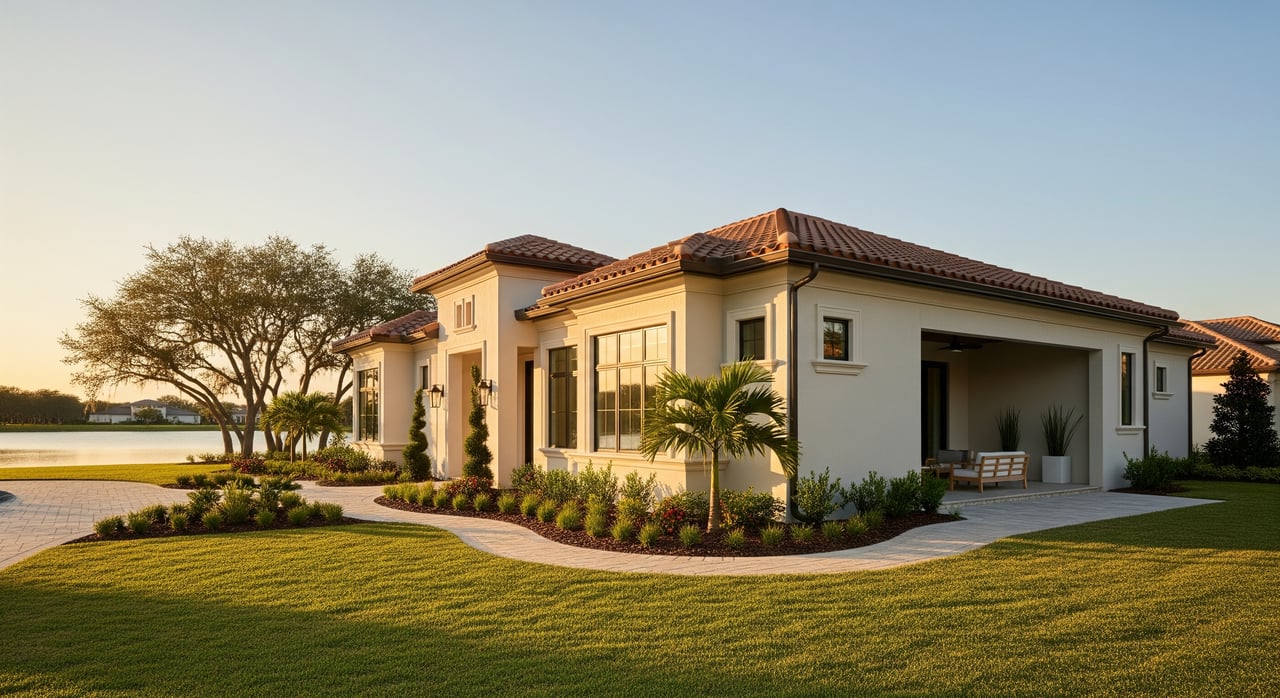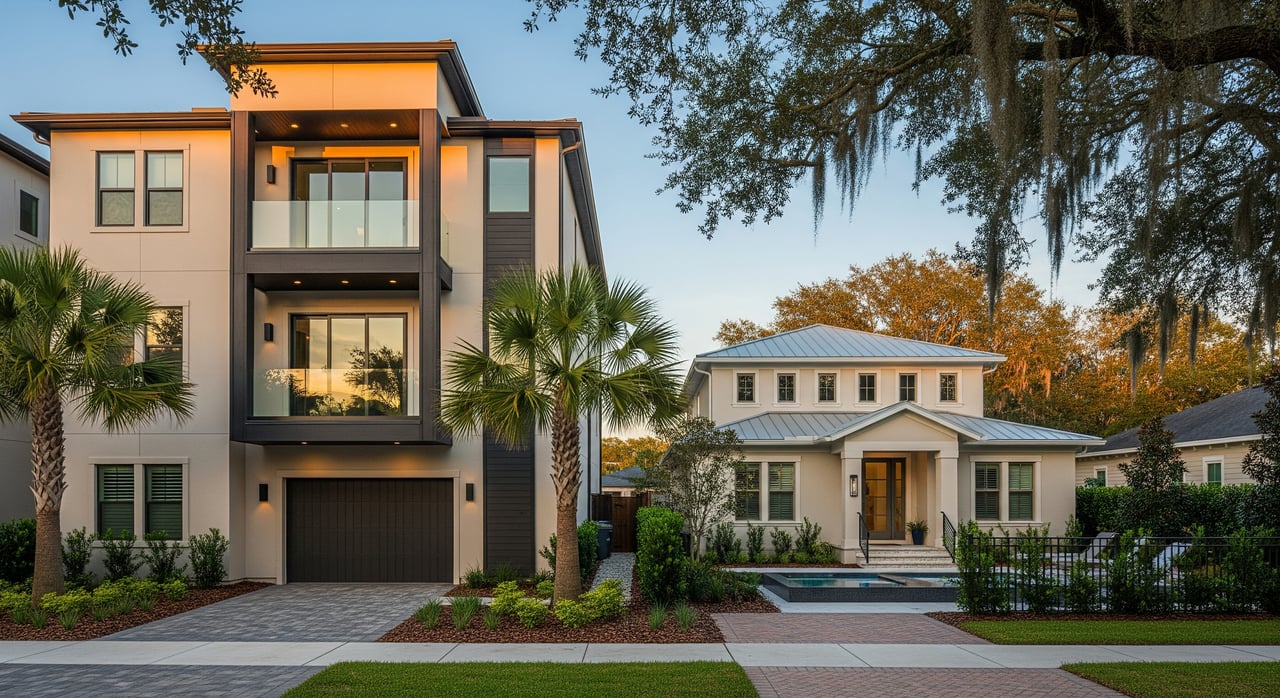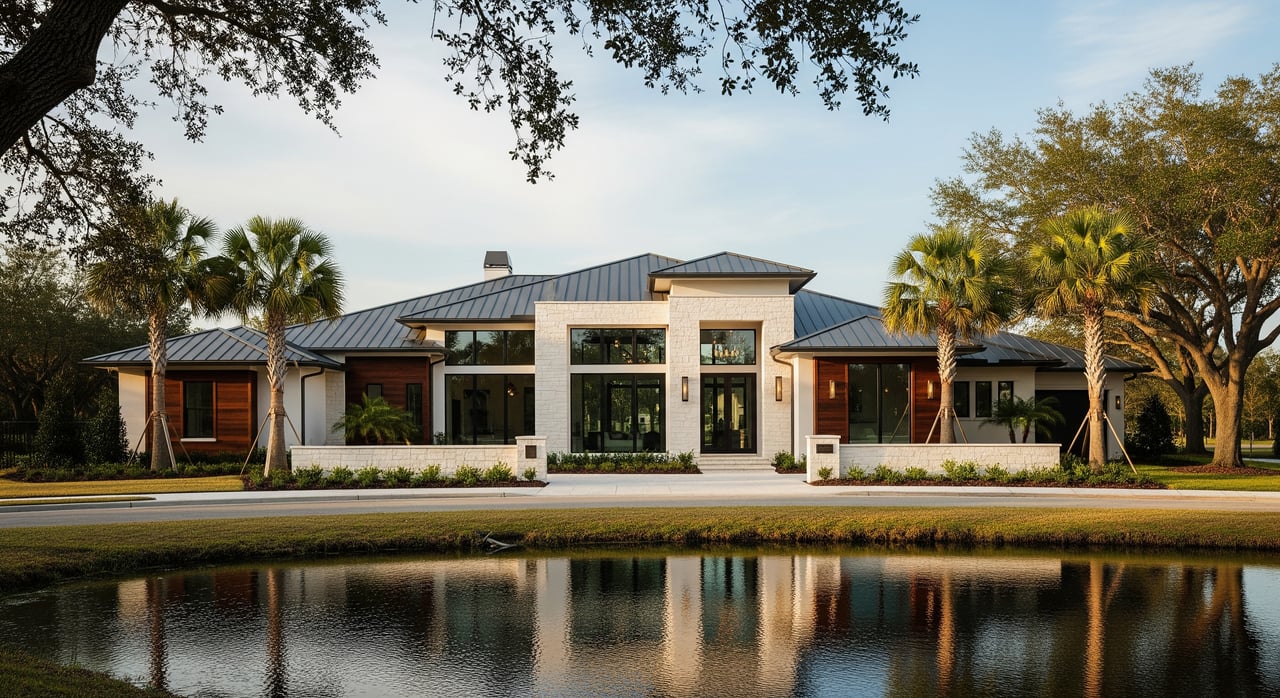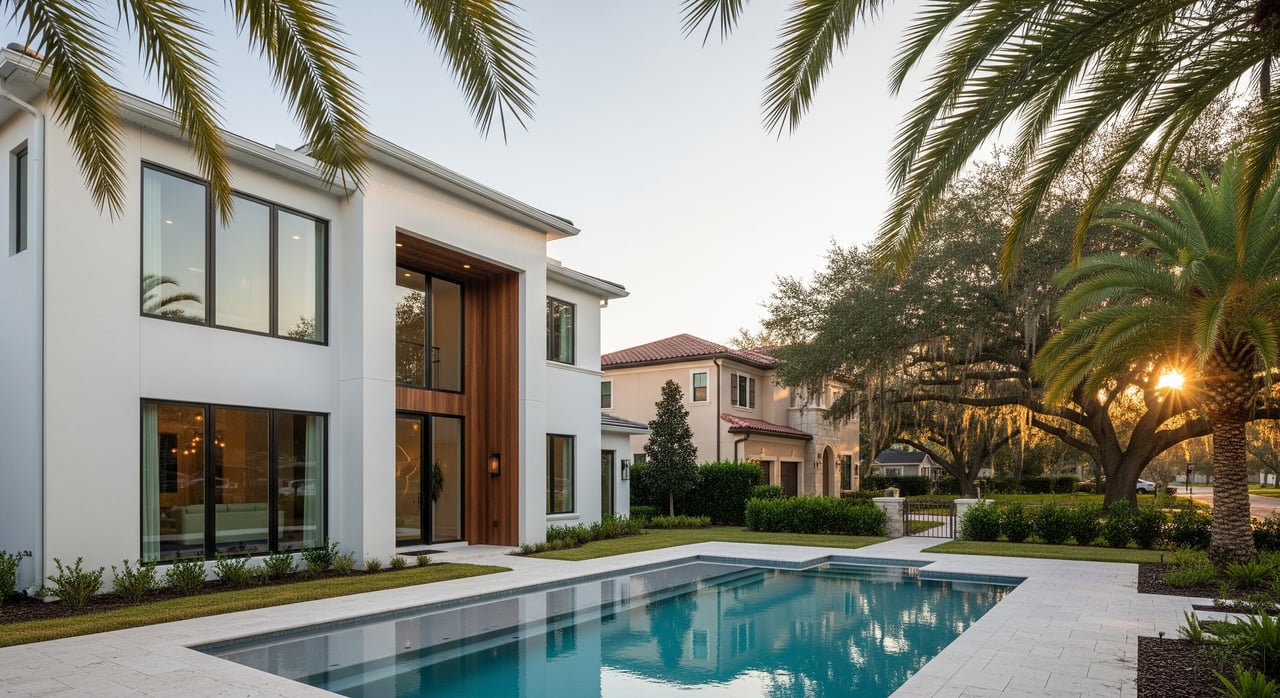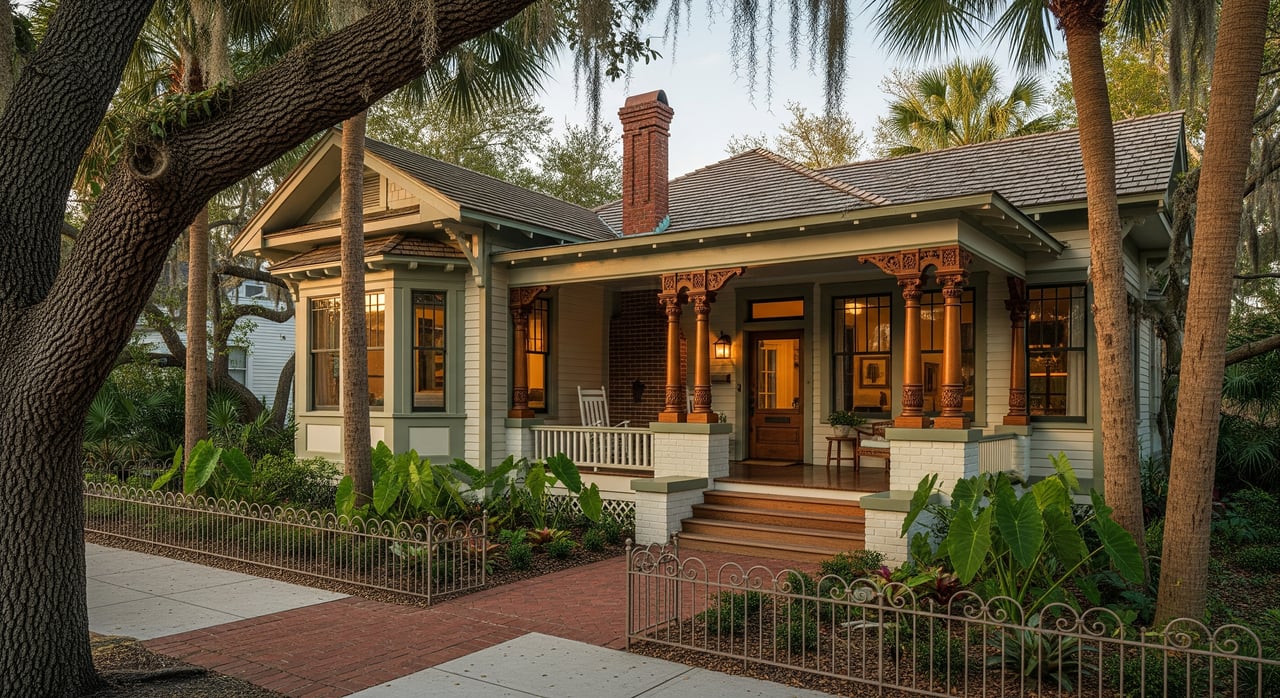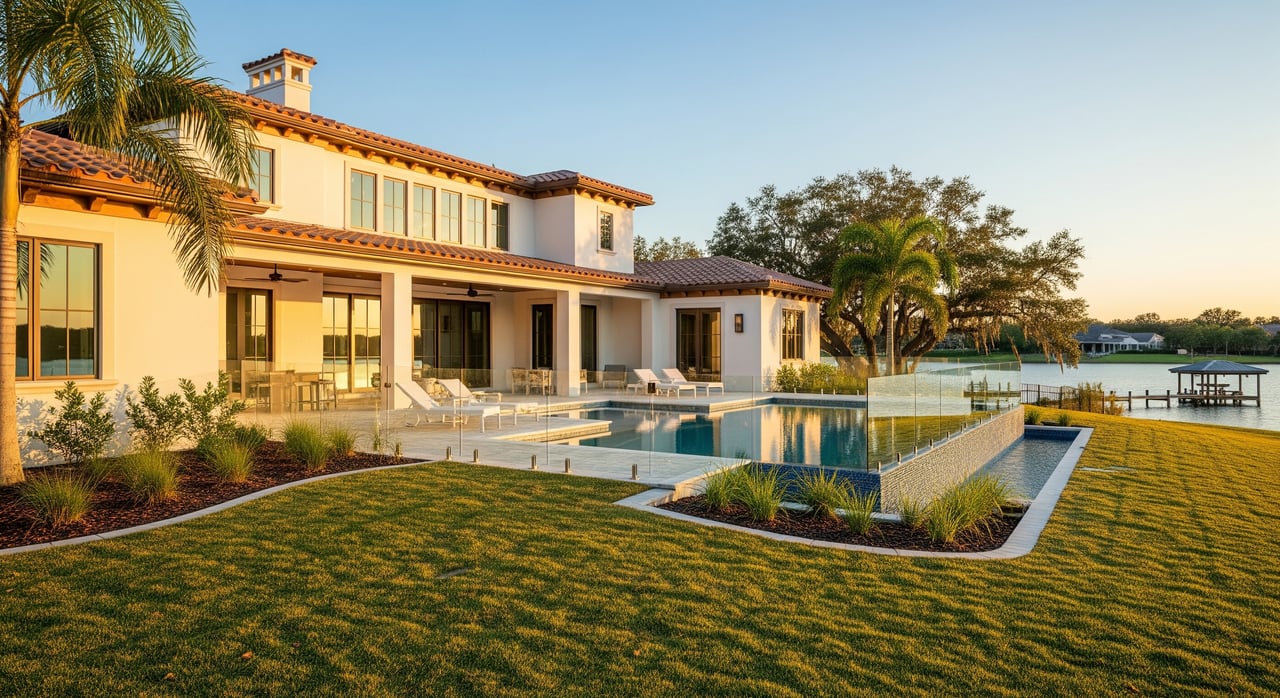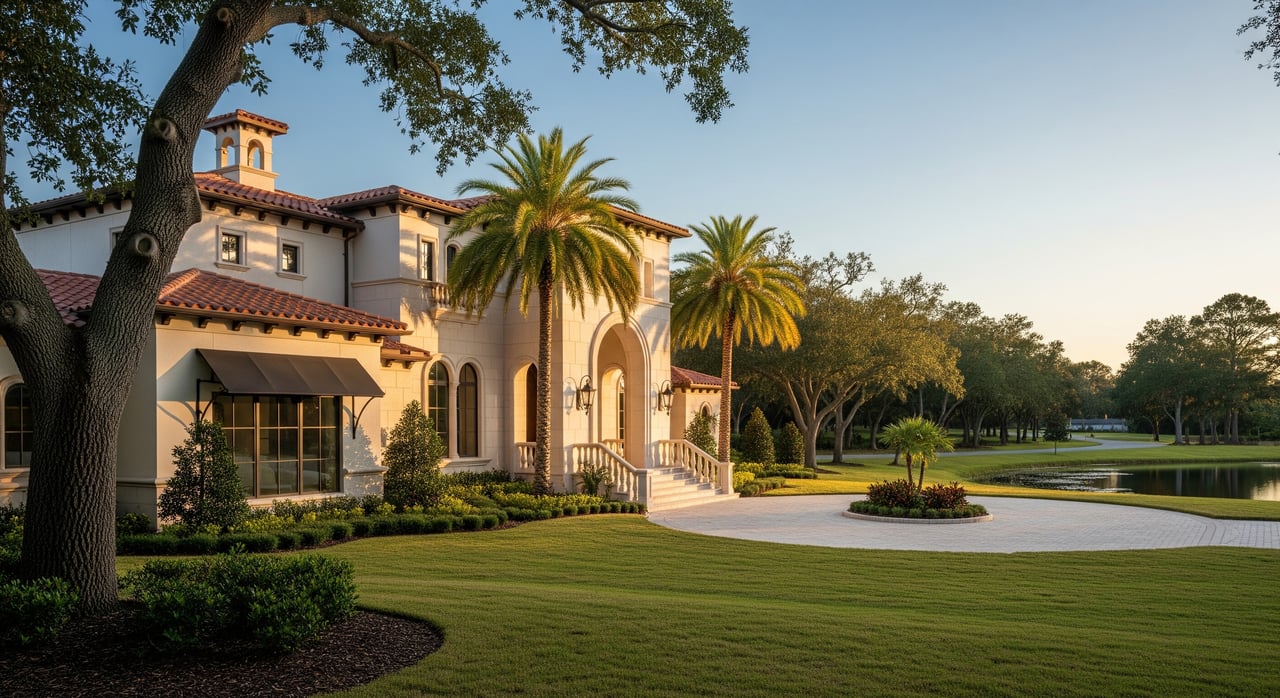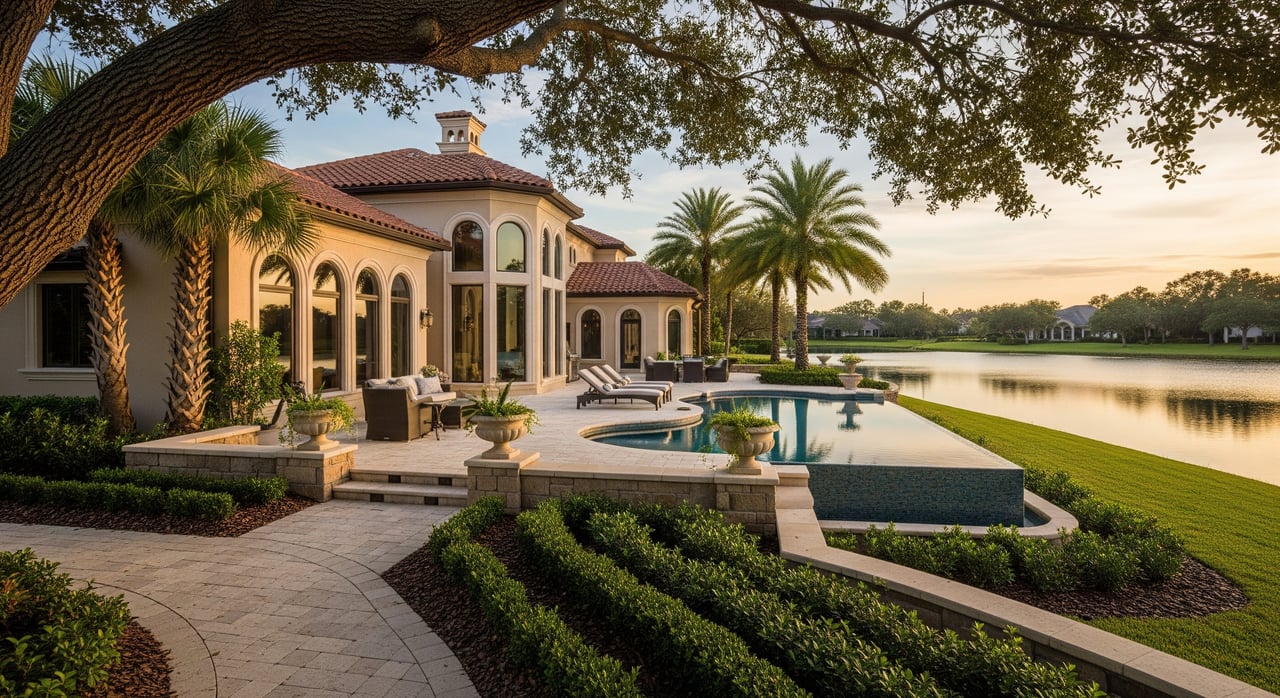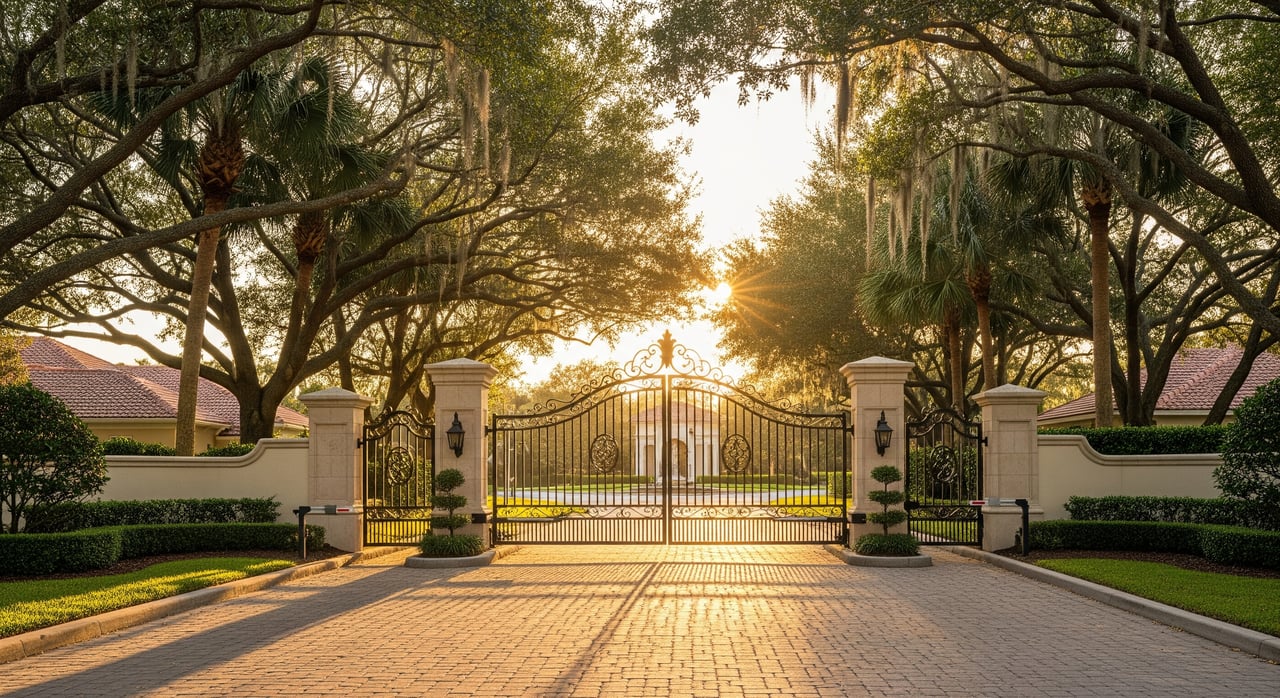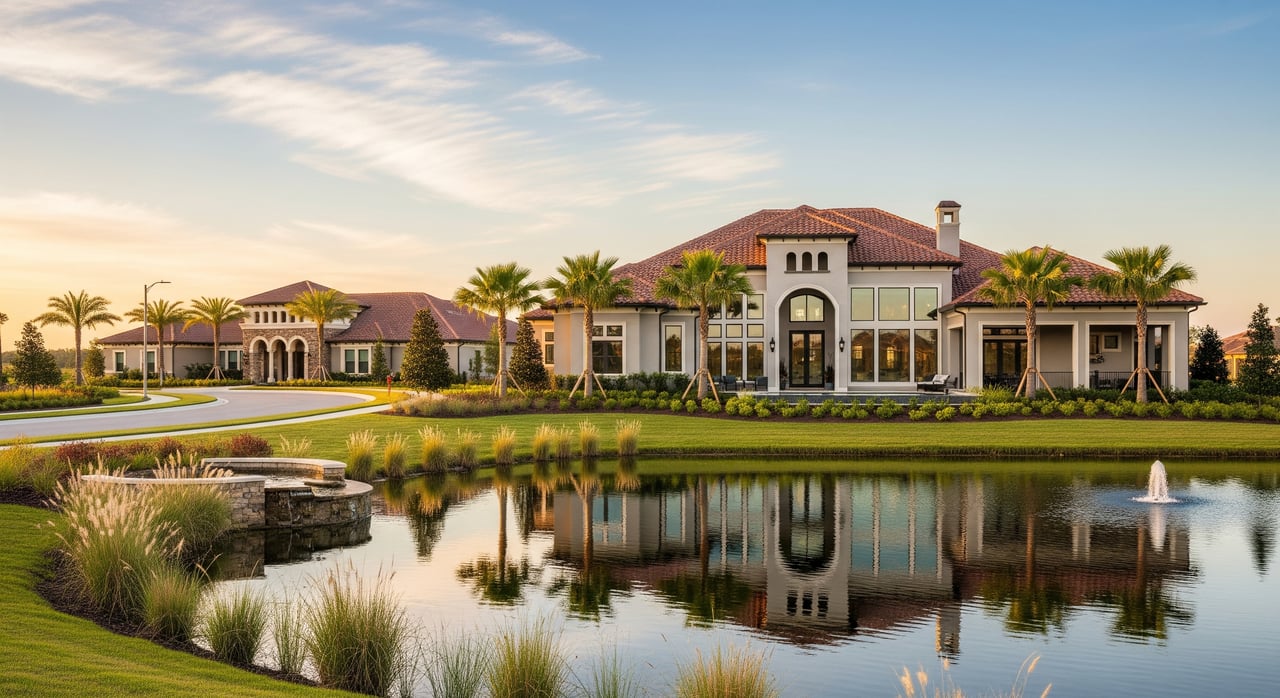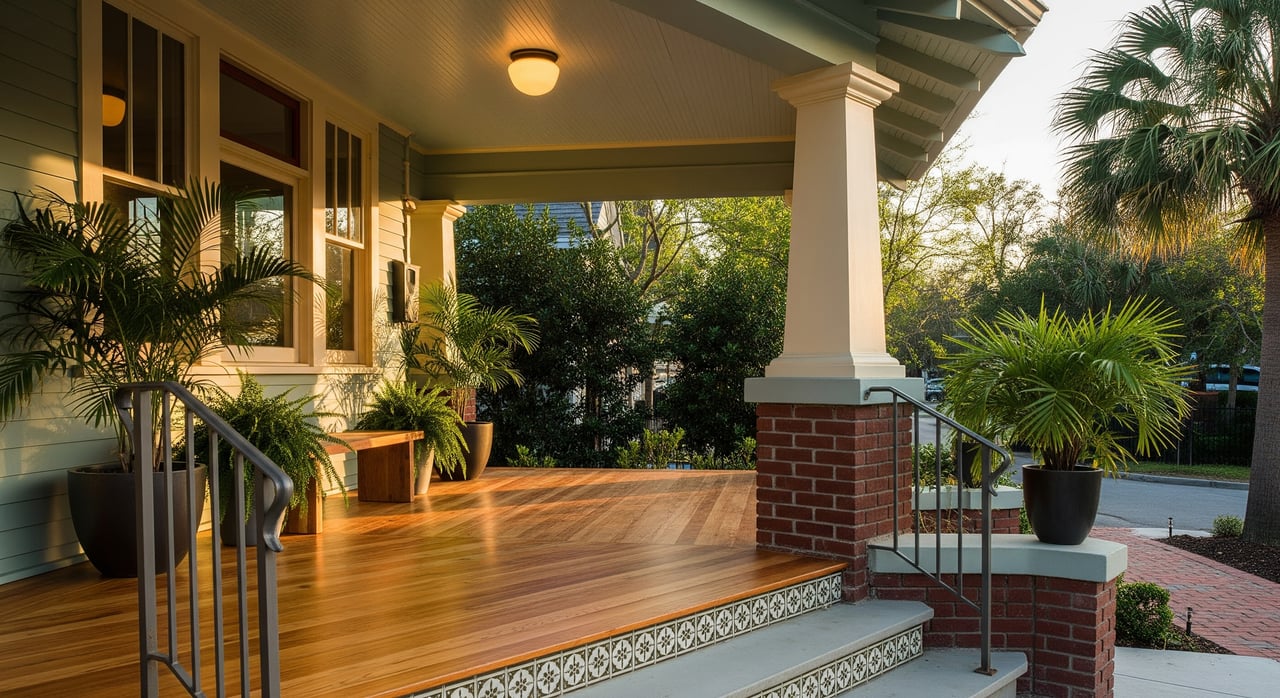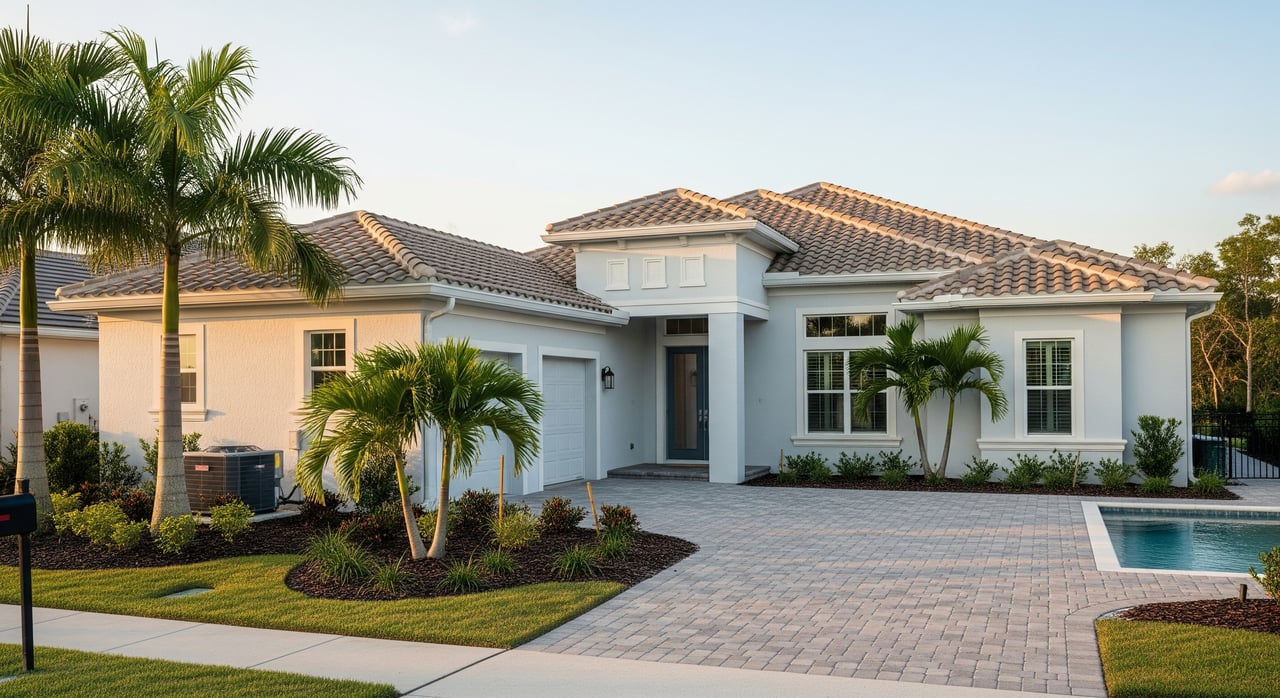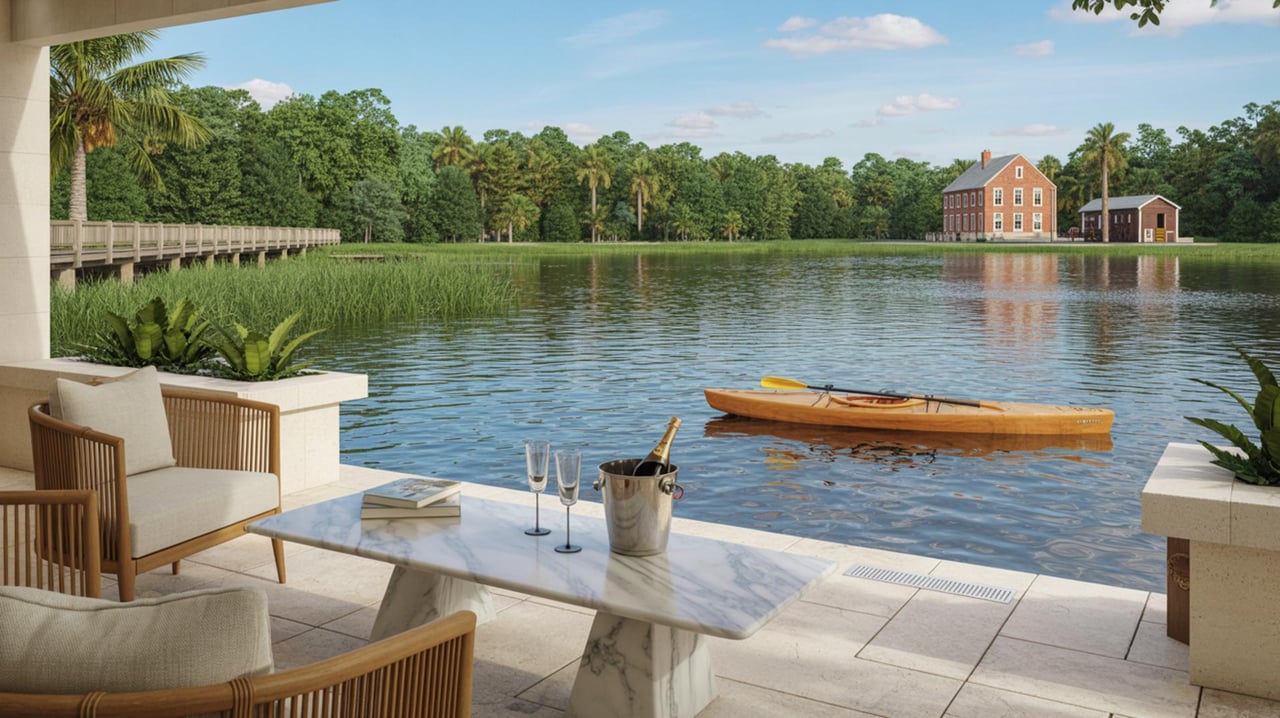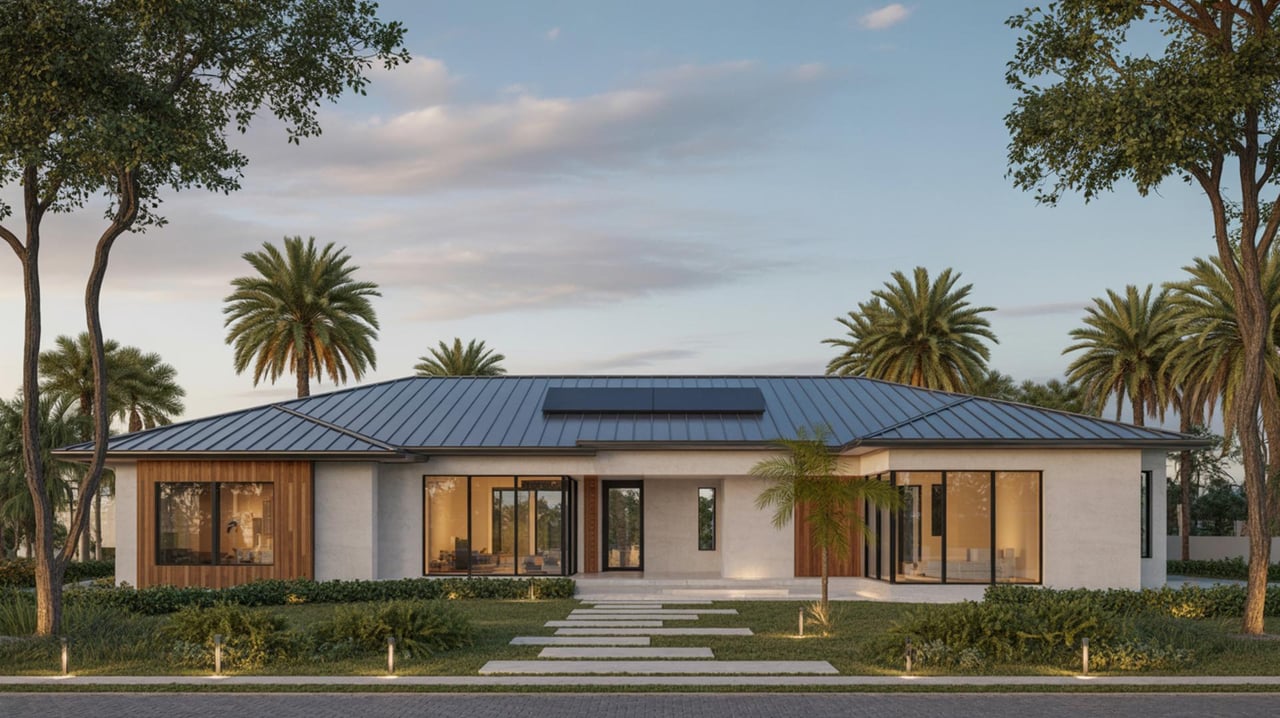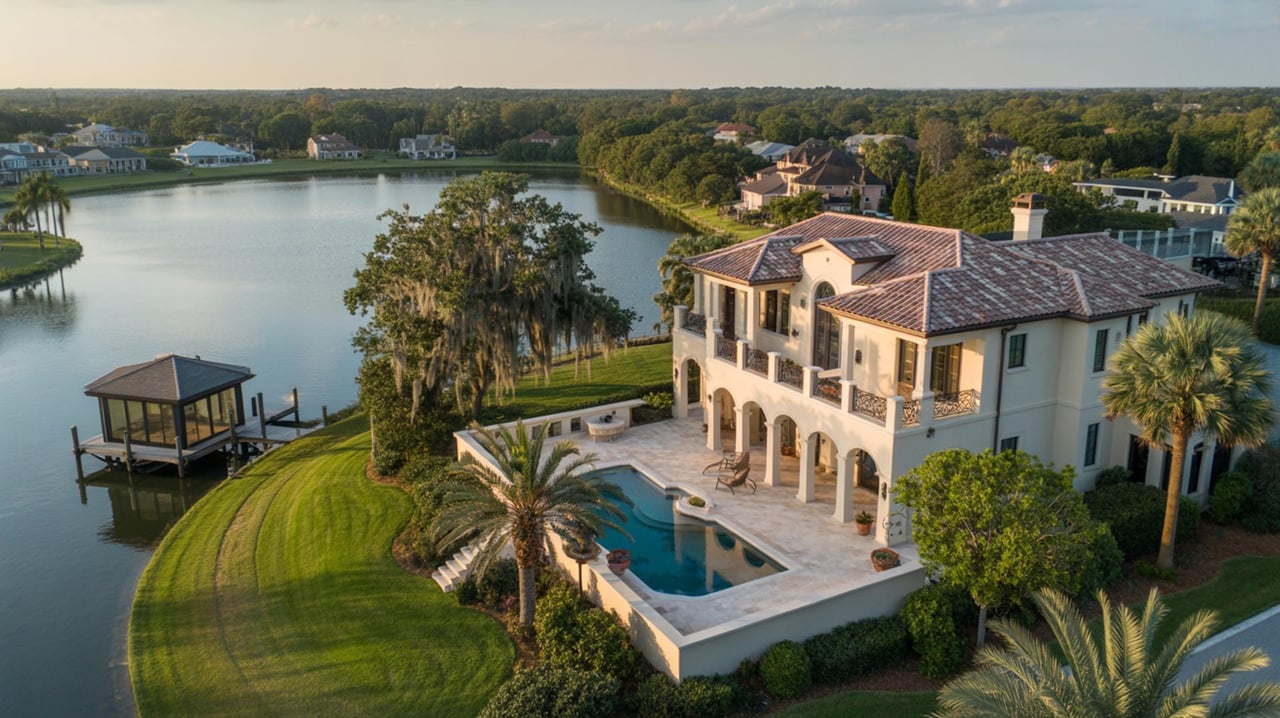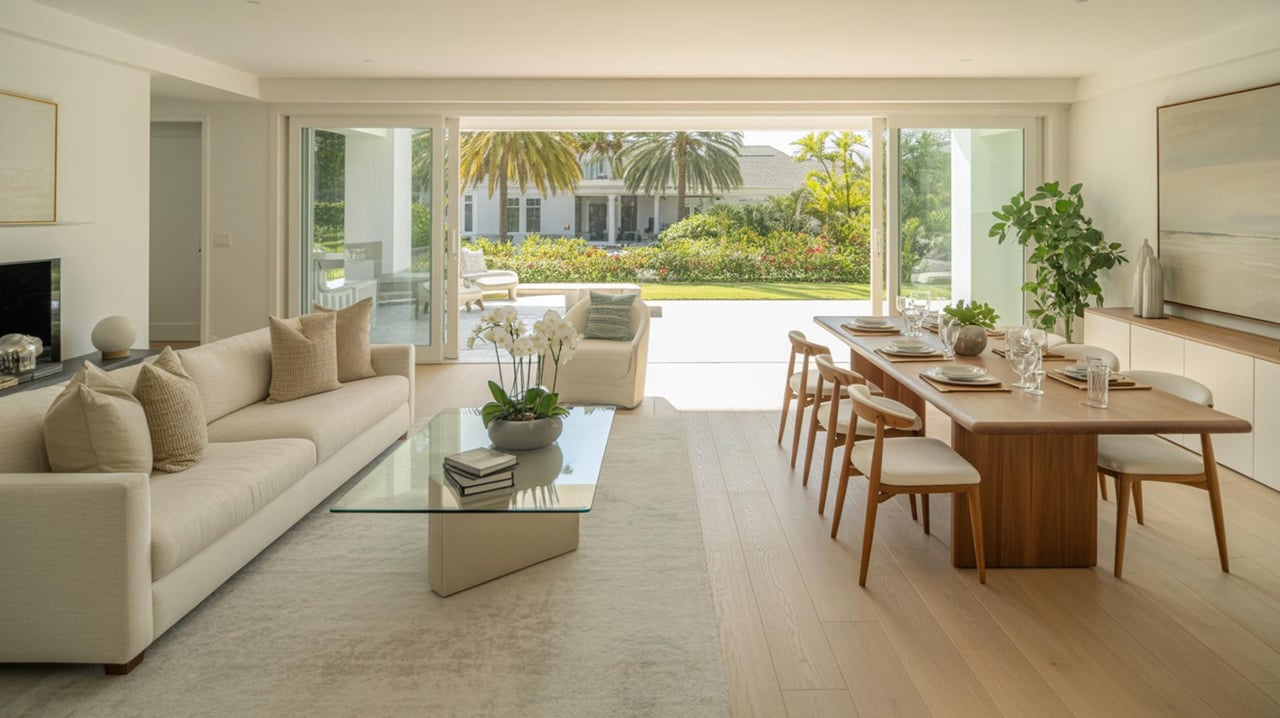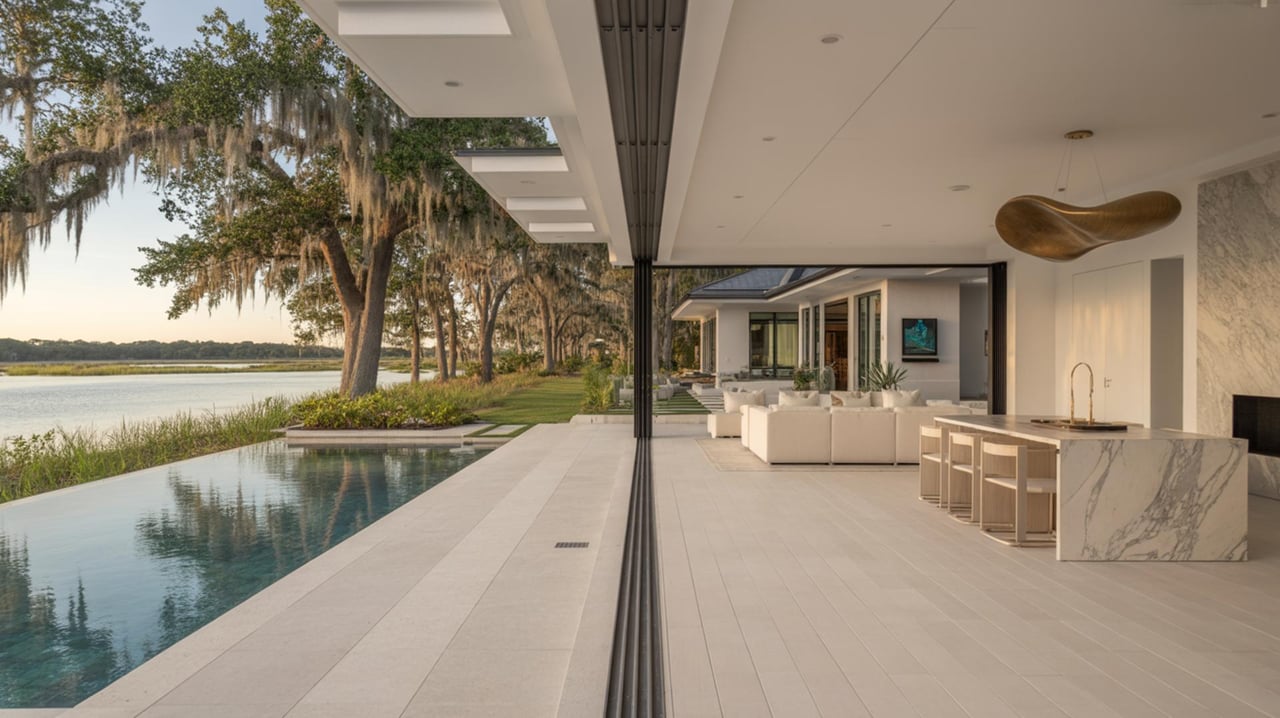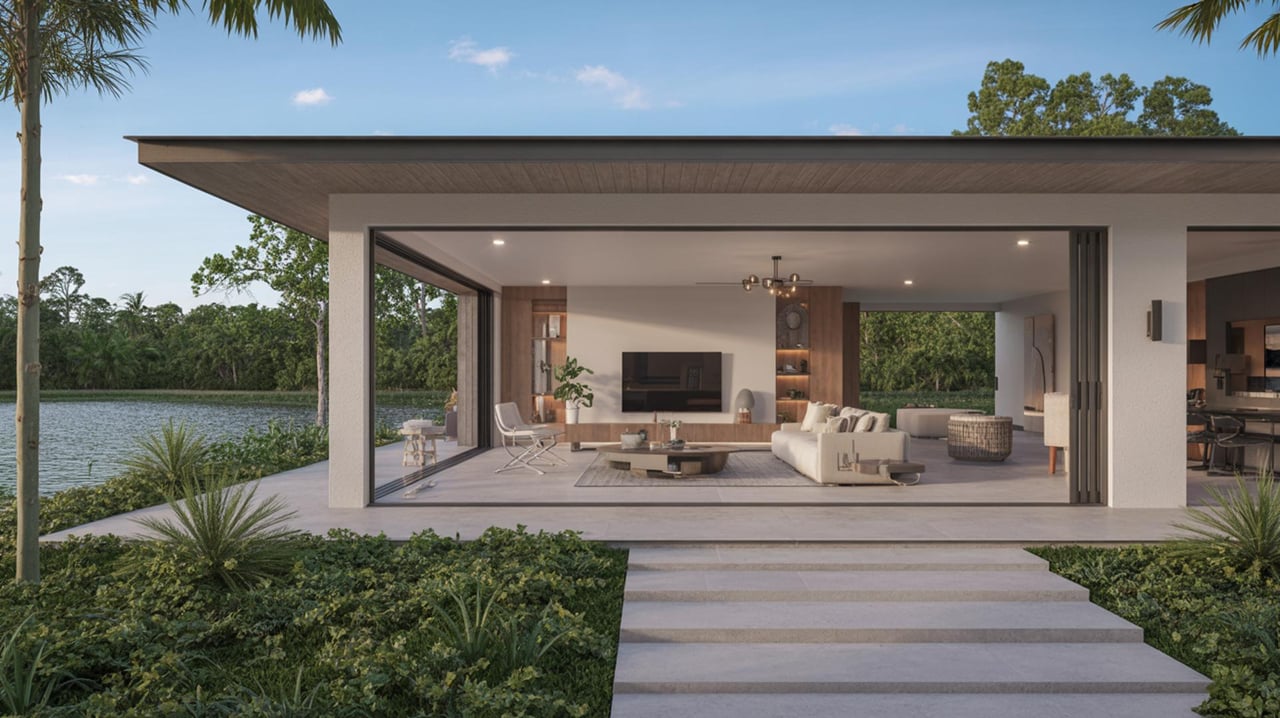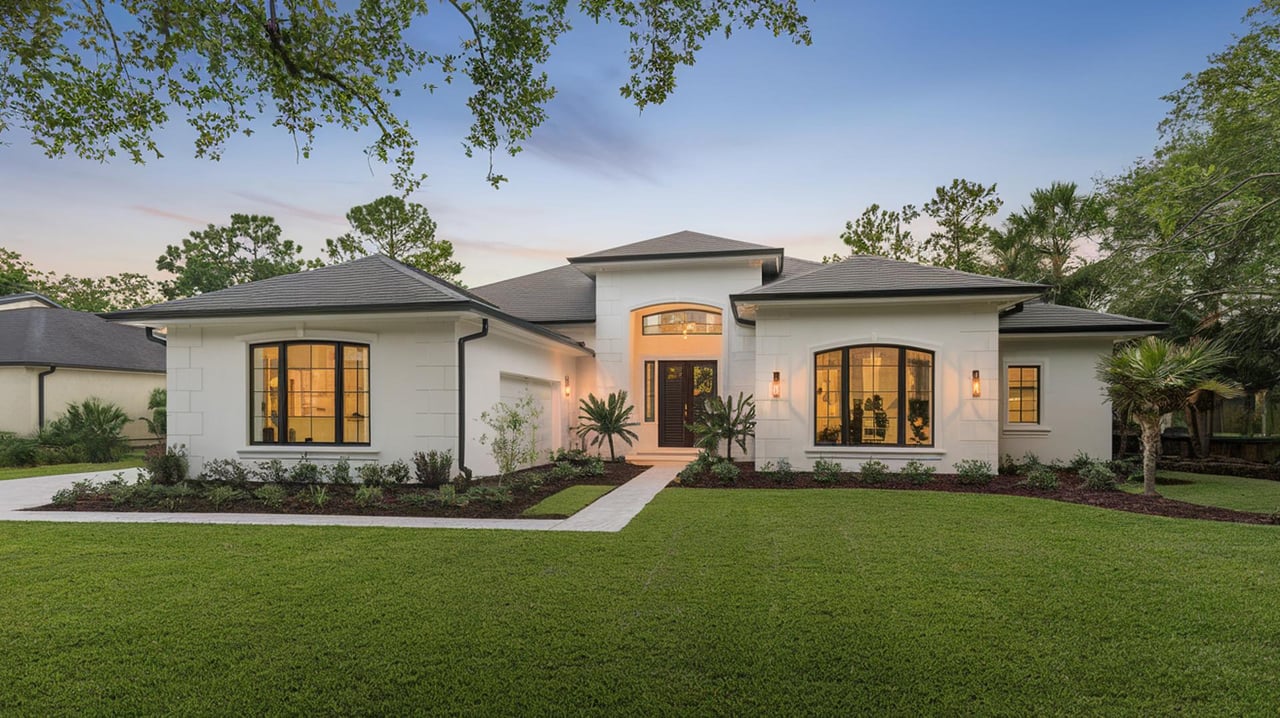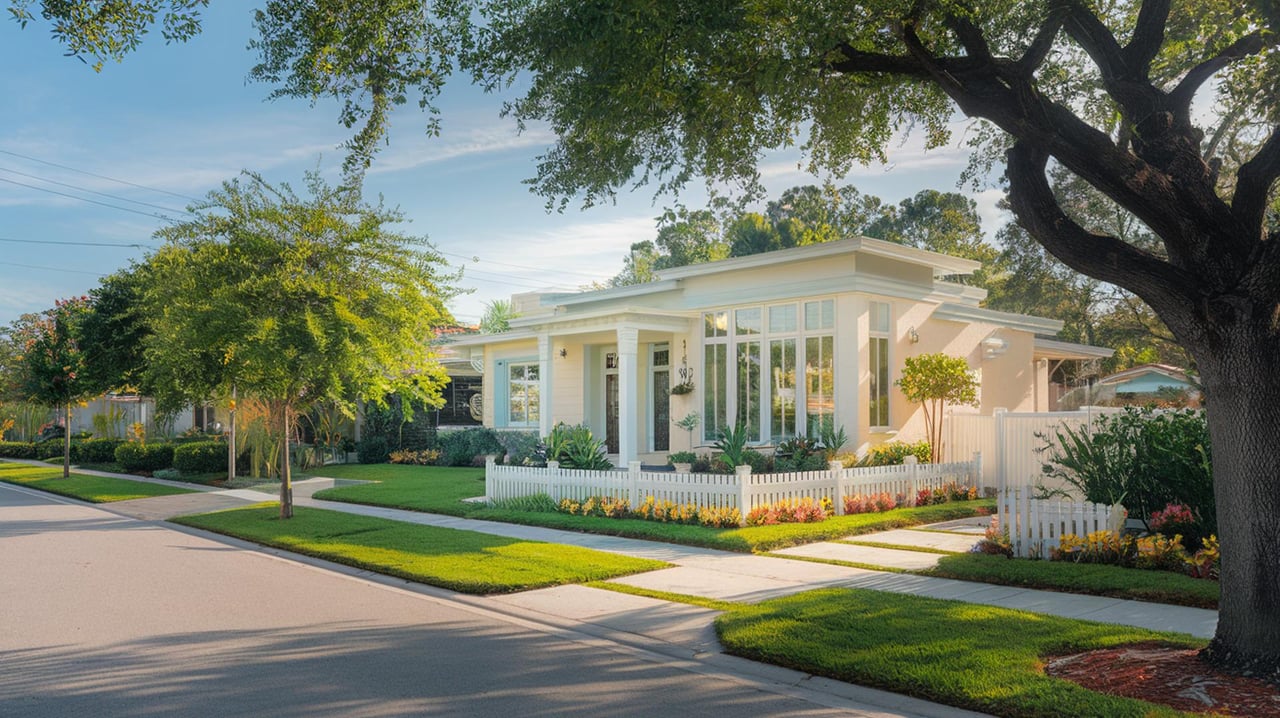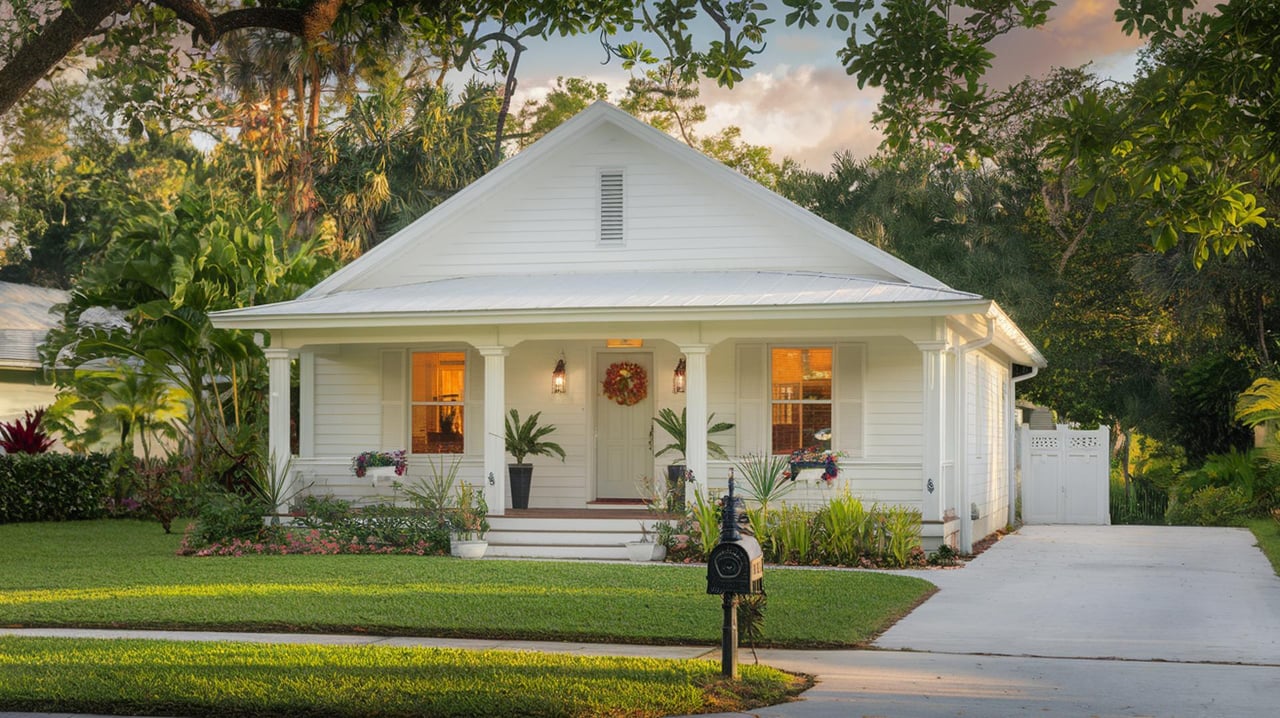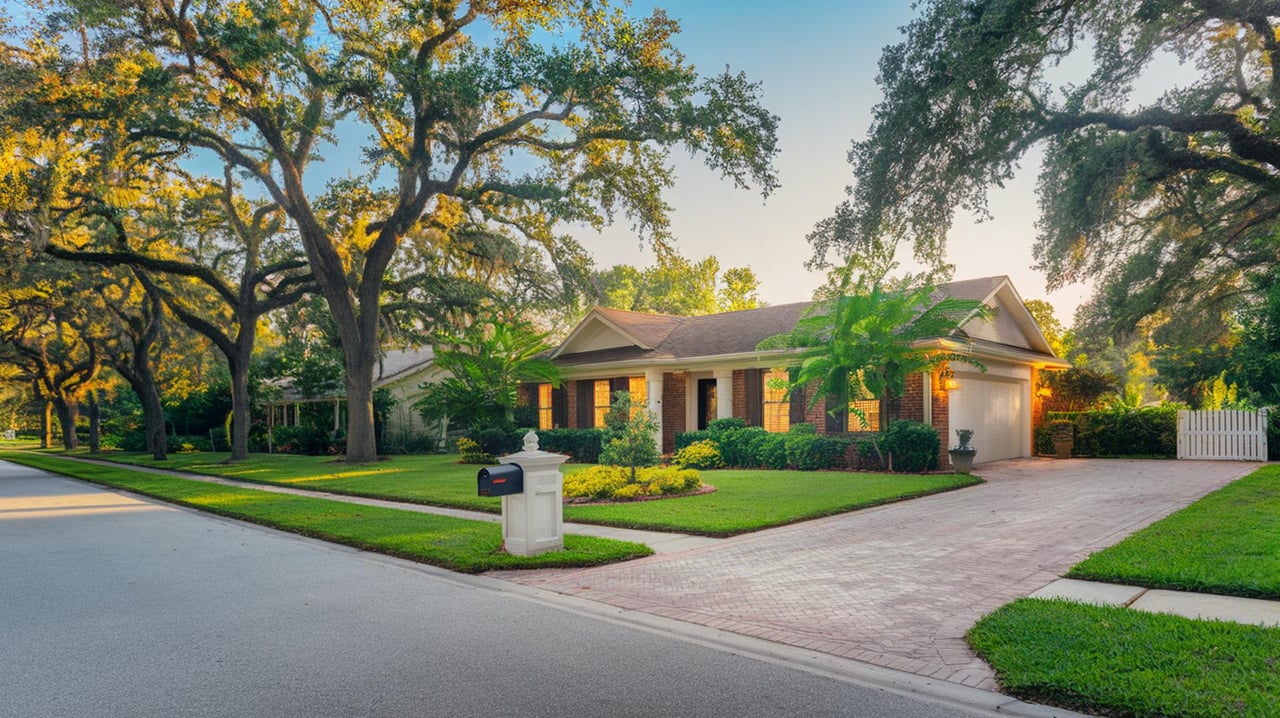
Dreaming of space to spread out, room for animals or gardens, and a quiet setting under mature oaks? Acreage living in Odessa can deliver all of that, along with the pride of owning a true estate property. The flip side is learning a different set of rules about zoning, septic, wells, roads and wetlands so you buy with confidence. In this guide, you’ll learn the essentials that affect value, financing, and long‑term enjoyment, plus a practical checklist you can use from day one. Let’s dive in.
Why Odessa acreage appeals
You get privacy, usable land, and flexibility for outbuildings or equestrian use. Many parcels offer 1 to 5 or more acres with ponds, fenced pastures, and room for barns or oversized garages. You also enjoy a semi‑rural feel while staying within reach of Tampa’s employment centers.
The tradeoff is more personal responsibility for utilities and maintenance. You may rely on a private well and septic system, and your driveway or road could be privately maintained. Plan for slightly longer drives to services compared with dense suburban neighborhoods.
What counts as acreage in Odessa
Most Odessa acreage sits in unincorporated Hillsborough County, where zoning allows larger parcels and some agricultural or equestrian uses. Parcels in the Agricultural and Rural district list a minimum lot area of 217,800 square feet, which equals 5 acres, under the county’s Land Development Code §6.01.01. Other rural residential districts have different minimums.
Always verify the exact zoning for the parcel you want. Ask for permitted uses, setbacks, and whether the lot is conforming. If you plan to add structures or subdivide, request written confirmation about what is allowed before you commit.
Top deal‑breakers to avoid
- Inability to establish a permitted septic or well that fits your home plans.
- Lack of legal road access or unclear private road maintenance responsibility.
- Wetlands, water resource protections, or conservation overlays that limit clearing or building.
Septic and water: what to verify
Many Odessa acreage homes use onsite septic. The county, through the Florida Department of Health in Hillsborough, permits new systems and repairs. Ask for the septic permit, as‑built drawing, and service records. Federal guidance recommends inspections at least every 3 years and pumping every 3 to 5 years, so confirm the last service dates.
Site suitability matters. The county code requires a minimum of 0.5 acre of upland for a septic system in most cases, and 1 acre of upland inside Water Resource Protection Areas under §6.01.06. These upland minimums can determine if septic is allowed or if you need a public sewer connection.
If the property has a private well, plan for regular testing. Florida health guidance recommends testing for coliform bacteria and nitrates at least once per year. Ask for the most recent lab results and well log, and budget for filtration if needed.
Public water or sewer may or may not be available. Availability depends on the parcel’s location relative to the county’s Urban Service Area and current utility lines. Request written confirmation of service availability and any connection or impact fees.
Zoning, setbacks and outbuildings
Rural districts often allow barns, stables, and other agricultural accessory uses, but setbacks and coverage limits vary by zoning. If the property sits inside a planned development, recorded covenants may add further restrictions. Ask for the recorded plat, any covenants, and the county’s permit history for each outbuilding so you know what is legal and what might need correction.
If you want to add a guest house, arena, oversized garage, or pool, confirm setbacks, maximum building coverage, and stormwater rules early. Getting clarity up front can save you time and prevent costly redesigns.
Wetlands and resource protections
Parts of Odessa include wetlands and headwaters connected to important natural resources such as the Brooker Creek system. Parcels with mapped wetlands or resource protections can face limits on clearing, filling, and building. Some projects require environmental resource permits and mitigation.
Before you write an offer, check county resource protection maps for the folio number and consult the water management district if needed. If any portion of the land is regulated, verify what buffers or no‑build zones apply to your specific plan.
Access, private roads and insurance
Hillsborough County requires legal access to a publicly maintained street or a recorded private access easement. The Land Development Code references a 50‑foot minimum width for roadway access easements in certain cases. If the parcel is on a private road, request the recorded road maintenance agreement and confirm who pays for repairs and how costs are shared.
Insurance can vary with distance to the nearest fire station, available hydrants, flood zone status, and driveway access for first responders. Ask your insurance agent for a quote early, and if the parcel is near a mapped flood zone, request an elevation certificate to refine premiums.
Costs and maintenance to budget
- Grounds and trees: routine mowing across acres, tree trimming, and invasive species control.
- Driveway and fencing: gravel or shell drives need periodic topping; fences and gates require repairs.
- Well and water: pump, pressure tank, and filtration maintenance, plus annual water testing.
- Septic: inspection every few years and pumping every 3 to 5 years; plan for eventual drainfield replacement.
- Outbuildings: barns, sheds, and arenas raise maintenance and insurance needs.
- Ponds and stormwater: occasional clearance, erosion control, or permit compliance for certain work.
How acreage influences price and resale
- Utilities and buildability: Parcels with newer, permitted septic or simple connections to public utilities are generally easier to finance and resell than those requiring engineered solutions.
- Zoning and flexibility: Conforming lots that allow accessory dwellings or potential subdivision can command premiums, while nonconforming or conservation‑limited parcels narrow the buyer pool.
- Nature adjacency: Proximity to preserves can boost appeal for privacy and scenery, yet may limit future development options. That can be a positive or a constraint depending on your plan.
- Risk and documentation: Flood status, wildfire interface, road access clarity, and clean permit histories influence buyer confidence. Well‑organized records help streamline closing and support value.
Your actionable due‑diligence plan
Use this checklist to keep your search efficient and low risk:
Request from the seller or listing agent:
- Current deed, any recorded covenants or plat, and the parcel’s zoning designation.
- Recent survey showing boundaries, easements, septic, well, and outbuildings.
- Septic permits, as‑built drawing, service and pumping records.
- Well permit or log and the most recent water quality test results.
- Any private road maintenance agreement and typical annual costs.
- Utility bills, insurance history, and HOA documents if applicable.
Arrange early, buyer‑paid checks:
- Flood zone review and an elevation certificate if needed, then request an insurance estimate.
- Septic evaluation by a licensed contractor and permit verification with county environmental health.
- Private well testing through a state‑certified lab for coliform and nitrates at minimum.
- Title search for access easements, liens, and code enforcement issues.
- Driveway and access confirmation, including recorded easements for any shared drive.
- Fire district and nearest station confirmation, then discuss insurance implications.
Ask pointed questions:
- Where are the septic tank and drainfield, and when were they last serviced?
- Is the home on a private well, and what do the latest lab results show?
- Are there any recorded or unrecorded easements affecting use or access?
- Are any areas mapped as wetlands or within a Water Resource Protection Area?
- Is the parcel inside the Urban Service Area, and what would it cost to connect to utilities?
- Are all outbuildings permitted and finaled? If not, what is required to legalize them?
Work with a local advisor
Acreage deals reward clean documentation and early answers. With local zoning knowledge, builder coordination experience, and a luxury marketing platform, you can protect your purchase today and your resale tomorrow. If you want a step‑by‑step plan tailored to your goals, reach out to edwin higgins for local guidance and a focused acreage search.
FAQs
What is the minimum lot size for Odessa’s AR zoning?
- In Hillsborough County’s Agricultural and Rural district, the Land Development Code lists a minimum lot area of 217,800 square feet, which equals 5 acres.
How do septic rules affect buildability on Odessa acreage?
- The county requires at least 0.5 acre of upland for most septic systems and 1 acre of upland inside Water Resource Protection Areas, which can determine if septic is allowed.
How often should I service a septic system on an acreage home?
- Federal guidance recommends inspecting at least every 3 years and pumping every 3 to 5 years, with more frequent service for alternative systems or heavy use.
What well water testing is recommended for Odessa properties?
- Florida health guidance recommends testing private wells for coliform bacteria and nitrates at least once per year and adding other tests if site history suggests risk.
How do wetlands or resource protections limit building in Odessa?
- Mapped wetlands or resource areas, including Brooker Creek headwaters, can restrict clearing and building and may require environmental permits and buffers.
What should I confirm if a property is on a private road?
- Verify a recorded access easement, the required easement width, and a road maintenance agreement that spells out who pays for repairs and how costs are shared.
Can I connect to public water or sewer on an acreage parcel?
- It depends on location relative to the Urban Service Area and existing lines, so request written confirmation of current availability and any connection or impact fees.