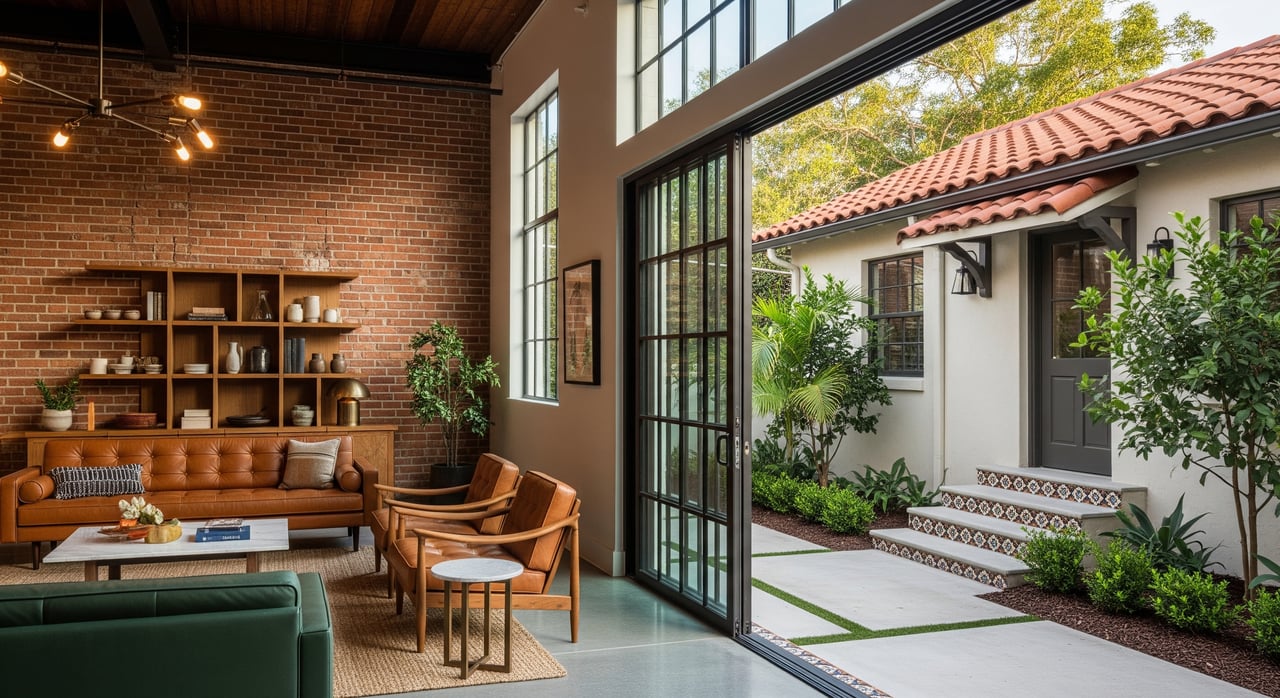
Wondering if a historic home in Ybor City is the right fit for you? It can be an exciting move, especially if you love character, walkability, and homes with a real story behind them. The key is knowing what makes these properties different before you buy, from house styles and maintenance needs to preservation rules and possible incentives. Let’s dive in.
What Makes Ybor City Homes Unique
Ybor City is Tampa’s National Historic Landmark District, shaped by the cigar industry and the immigrant communities who built the neighborhood’s identity. According to the National Park Service overview of the Ybor City Historic District, the district includes more than 950 historic buildings and structures, many built between 1886 and World War I.
For you as a buyer, that usually means the appeal is less about grand estates and more about authentic historic fabric, compact urban lots, and distinctive exterior details. Ybor’s residential character grew from worker housing, so many homes are modest in scale and practical in layout.
Common Home Styles in Ybor City
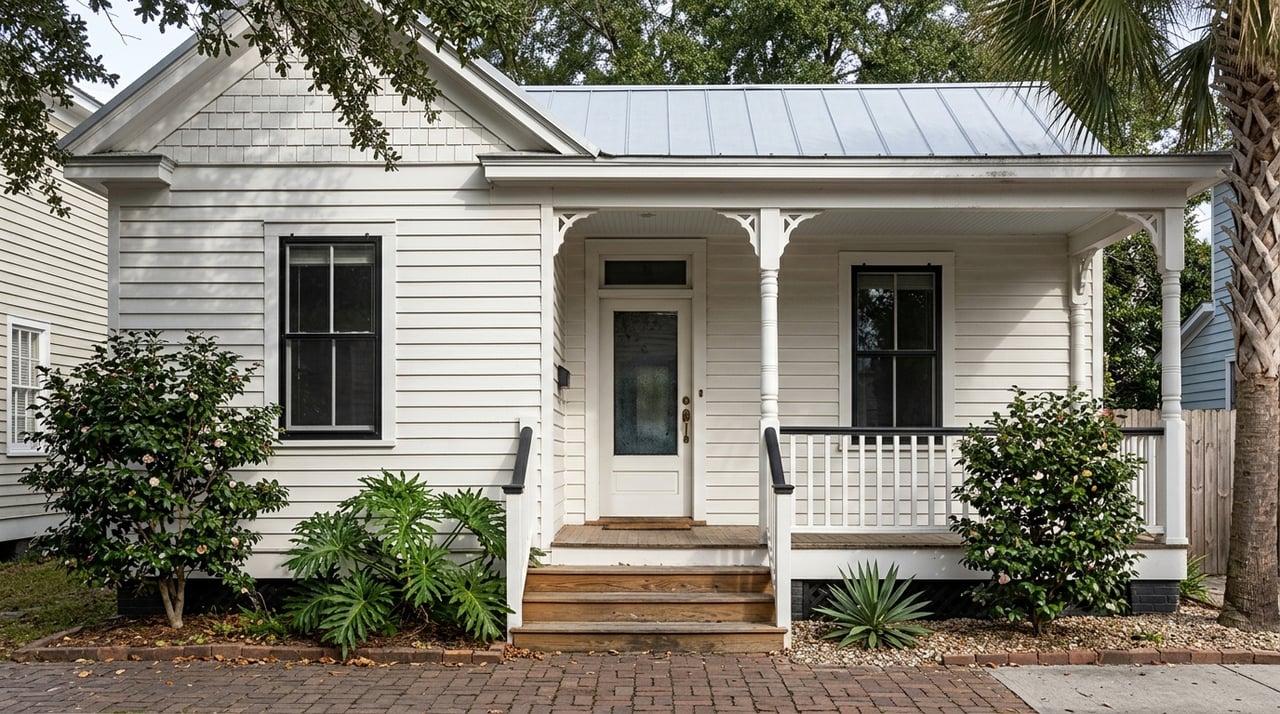
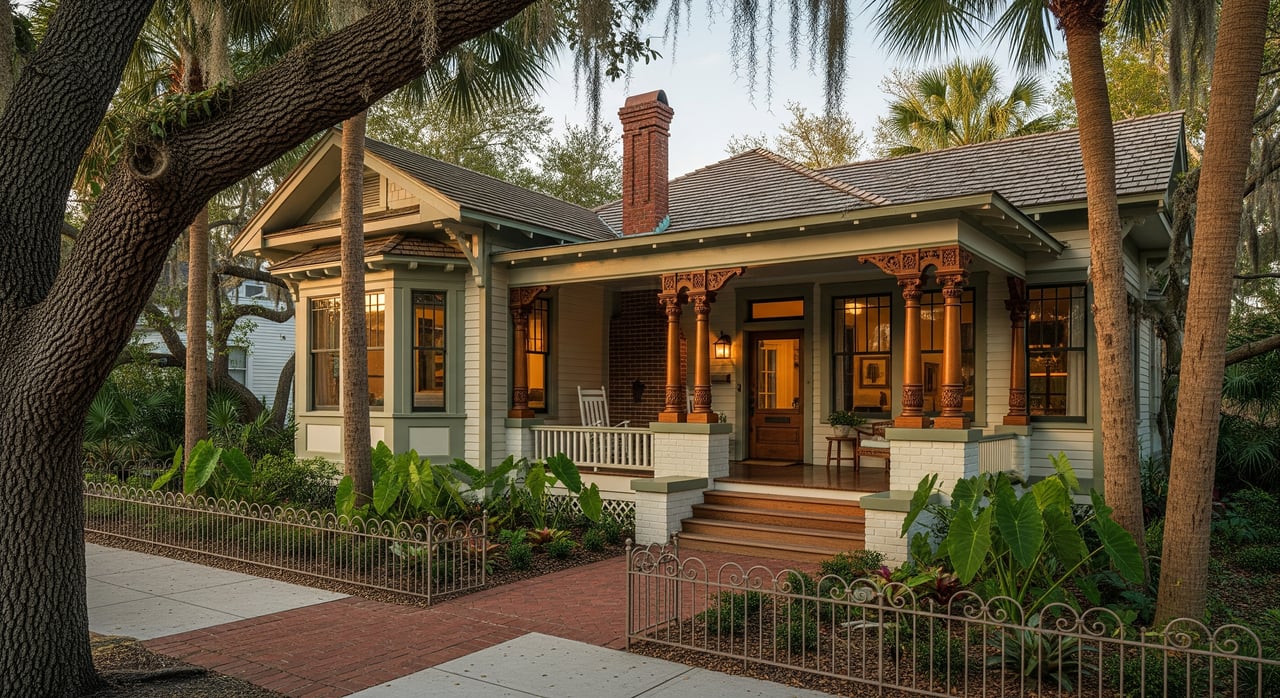
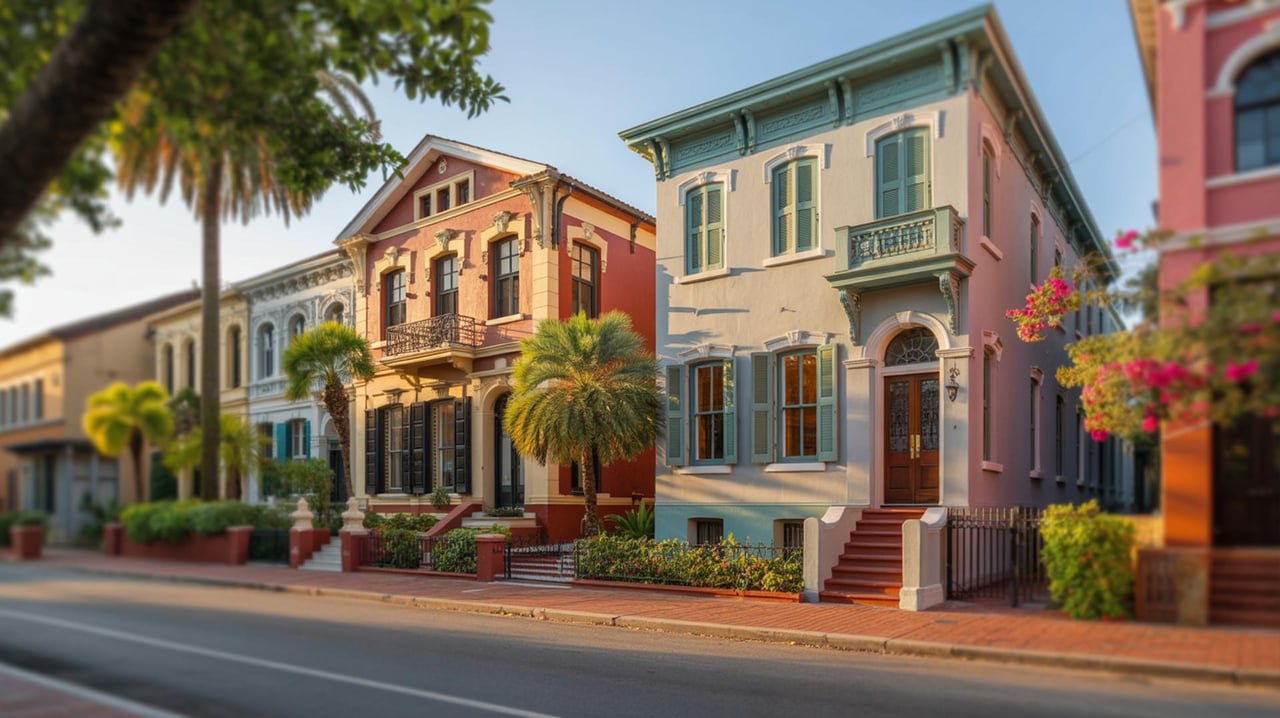
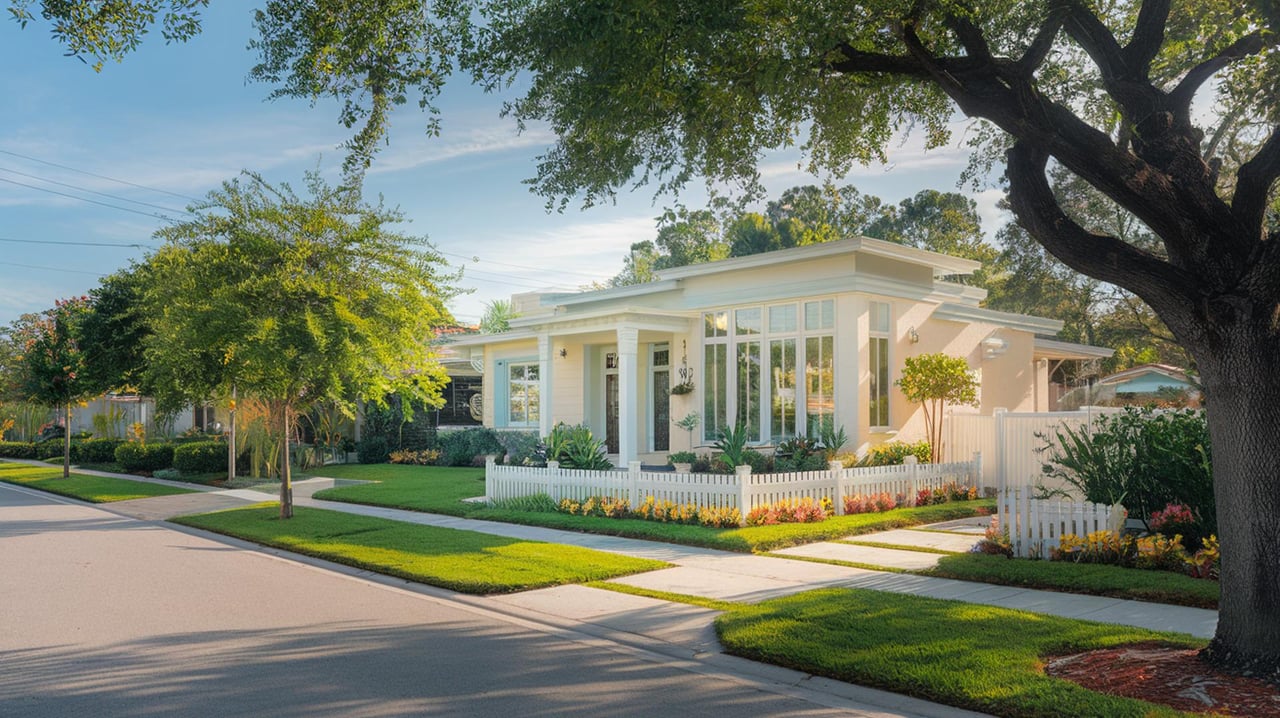
If you are shopping in Ybor City, you will likely see a mix of Brick Vernacular, National Folk, National Folk Shotgun, Folk Victorian, and Craftsman Bungalow homes. The city’s Ybor design guidelines and National Park Service materials point to simple wood-frame houses, gable roofs, porches, horizontal siding, and double-hung windows as common features.
One of the best-known local house types is the shotgun house. City preservation materials describe these as narrow, rectangular homes that are typically one room wide, which helps explain why some Ybor homes feel smaller than buyers expect.
What Historic Character Really Means
In Ybor City, historic value often lives in the exterior details. Covered porches, wood trim, paneled doors, brick pier foundations, and original window patterns all contribute to the look and significance of the home.
That matters because these features are not just decorative. If they are altered with incompatible materials or poorly matched replacements, the property can lose some of the character that makes Ybor special in the first place.
What to Inspect Closely Before You Buy
Buying a historic home is different from buying a newer property. In Ybor City, your inspection should go beyond basic systems and take a close look at the features most likely to affect preservation work and future costs.
Roof Condition
Roofs are one of the most common project areas in Ybor historic homes. The city’s guidelines note that Ybor roofs are often gabled or hipped, and surviving roof materials may include sheet metal or asphalt/composition products.
The same guidance says roof repairs or replacements should stay similar to the original in size, texture, and color and should not change the original roof line. If a roof is near the end of its life, that is a major budgeting item to understand early.
Porches and Galleries
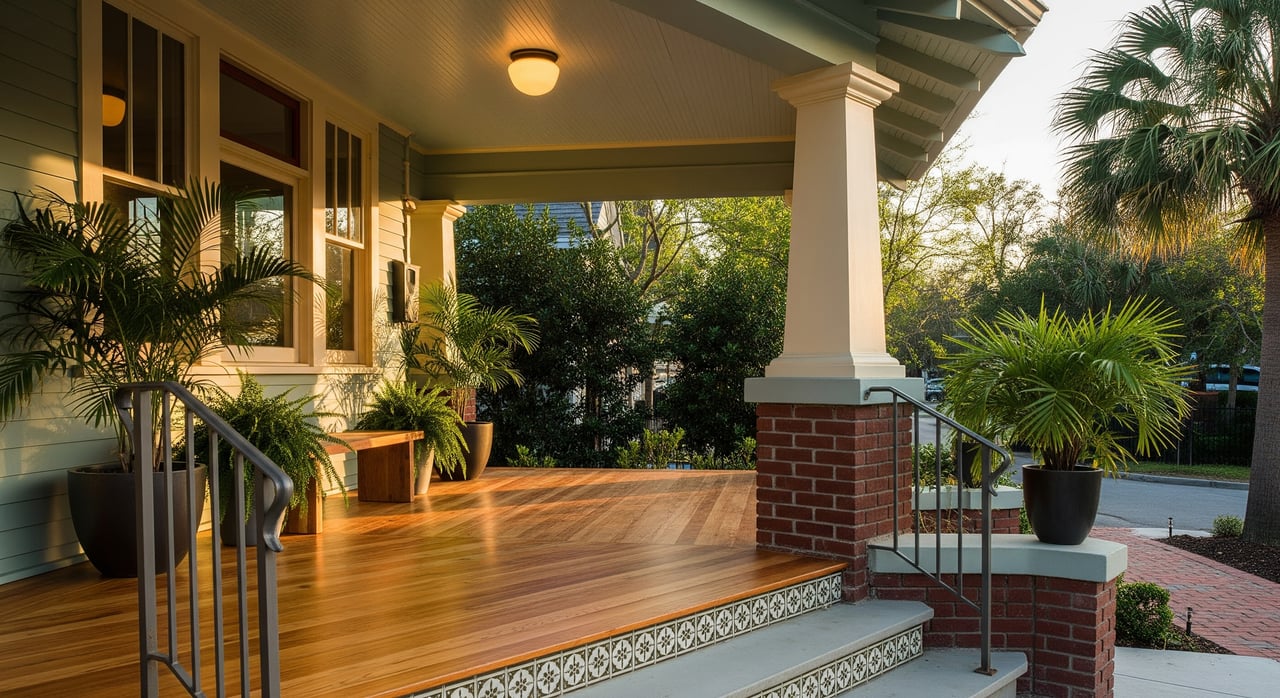
Porches are a major part of Ybor’s residential identity. The city specifically notes that these spaces add charm and livability, and its guidelines encourage owners to preserve original porch materials whenever possible and avoid enclosing these spaces or adding incompatible supports.
For you, that means porch condition should be a serious inspection item. A worn porch may be repairable, but it is rarely just a cosmetic issue.
Windows and Doors
Historic windows and doors deserve close attention because replacement decisions can become expensive fast. The National Park Service rehabilitation guidance recommends repairing deteriorated historic features rather than replacing them whenever possible.
If replacement is necessary, the new work should match the historic feature in design and visual qualities. In practical terms, mismatched windows can change the appearance of the home and may create additional review issues later.
Moisture and Water Management
Moisture is a big deal in any older Florida home. The National Park Service guidance on moisture control recommends keeping roofs weather-tight, maintaining gutters and downspouts, repairing cracks around openings, and using appropriate masonry repair methods.
If you are considering a historic home in Ybor, ask your inspector to pay close attention to signs of water intrusion, deferred maintenance, and previous repair work. In a humid climate, moisture issues can affect both livability and preservation costs.
Materials That Can Cause Problems
A home that looks updated is not always a better historic-home buy. Ybor’s preservation guidance discourages incompatible exterior materials and features, including vinyl, aluminum, asbestos siding, stucco coverings on historic wood buildings, metal awnings, jalousie windows, and overly ornamental wrought-iron porch elements.
If a previous owner made changes like these, you may be looking at future corrective work if you want to restore the home in a way that aligns with district standards. That is one reason historic-home buyers should look past surface-level finishes and ask deeper questions.
How Additions Are Usually Handled
Need more space? It may be possible, but the approach matters. The National Park Service guidance for additions says additions should typically be placed at the rear or on an inconspicuous side, remain subordinate to the original building, and avoid obscuring historic character.
That means Ybor homes can sometimes be adapted for modern living, but the process is rarely as simple as drawing up a larger footprint. If expansion is part of your plan, it is smart to evaluate that before you close.
Understanding Ybor City Approvals
Ybor City falls under review by the Barrio Latino Commission, and the city states that the Ybor Design Guidelines and preservation review process guide construction activity in the district. Many exterior changes require a Certificate of Appropriateness, and some applications can be handled by staff while others require a public hearing.
The city also advises owners and buyers to contact preservation staff early before filing an application. That is important because your buying timeline should account for both the property inspection phase and any review process tied to planned exterior work.
Can You Modernize a Historic Home?
Yes, but carefully. Preservation standards allow sensitive upgrades to plumbing, electrical, and HVAC systems as long as the work does not damage the building’s historic character, as explained in the National Park Service treatment standards.
That is good news if you want modern function with historic appeal. The best results usually come from planning upgrades with professionals who understand how to work within older structures and preservation expectations.
Budgeting for a Historic Purchase
Historic rehab often costs more than a standard remodel. In Ybor City, that is largely because the preferred approach is repair over replacement, and when replacement is necessary, materials and design details should closely match the original.
For you, that can mean more specialty labor, more custom work, and more time spent on approvals and documentation. Even if the home is livable on day one, it is wise to budget for ongoing preservation-minded maintenance.
Tax Incentives and Grant Programs
There may be programs that help offset some costs. The city’s Historic Property Ad Valorem Tax Exemption Program overview explains that eligible historic properties may qualify for a tax exemption for up to 10 years, with pre-rehabilitation approval required before demolition, construction, or alterations begin.
The city also offers information on the Interstate Historic Preservation Trust Fund Grant Program, which can provide exterior preservation funding for eligible owners in Ybor City. Since grant availability and eligibility can vary, it is best to treat this as a possible benefit rather than guaranteed funding.
Build the Right Team Early
When you buy a historic home, your team may need to be broader than in a typical purchase. Depending on the property and your plans, that can include an inspector, contractor, and preservation-minded design professional.
The National Park Service notes that qualified preservation professionals can be especially helpful when visible exterior features are involved. If you are serious about buying in Ybor City, early planning can save you time, money, and stress later.
Is a Historic Ybor Home Right for You?
A historic home in Ybor City can be a great fit if you value original details, urban character, and a strong sense of place. It may be less ideal if you want a low-maintenance property with easy, fast exterior changes.
The buyers who tend to feel best about these homes are the ones who go in with clear expectations. If you inspect carefully, budget realistically, and understand the review process, you can make a much more confident decision.
If you are thinking about buying in Ybor City and want guidance on evaluating the property, timeline, and fit for your goals, connect with edwin higgins for local, practical advice tailored to your move.
FAQs
What kinds of historic homes are most common in Ybor City?
- Many Ybor City homes are modest worker houses, including National Folk, Shotgun, Folk Victorian, Craftsman Bungalow, and Brick Vernacular styles.
What should you inspect first when buying a historic home in Ybor City?
- Focus on the roof, porch condition, windows, doors, foundation details, and any signs of moisture intrusion or incompatible past renovations.
Do exterior changes to a Ybor City historic home need approval?
- Many exterior repairs, additions, and construction changes in Ybor City require review through the Barrio Latino Commission and may need a Certificate of Appropriateness.
Can you add modern systems to a historic home in Ybor City?
- Yes, plumbing, electrical, and HVAC updates are generally possible if they are done in a way that does not damage the home’s historic character.
Are there financial incentives for restoring a historic home in Ybor City?
- Potentially yes. Eligible properties may qualify for the City of Tampa’s historic tax exemption program, and some owners may also be eligible for preservation grant funding.
Is buying a historic home in Ybor City more expensive than buying a standard home?
- It can be, especially when repairs require specialty labor, matched materials, and extra review time for preservation compliance.